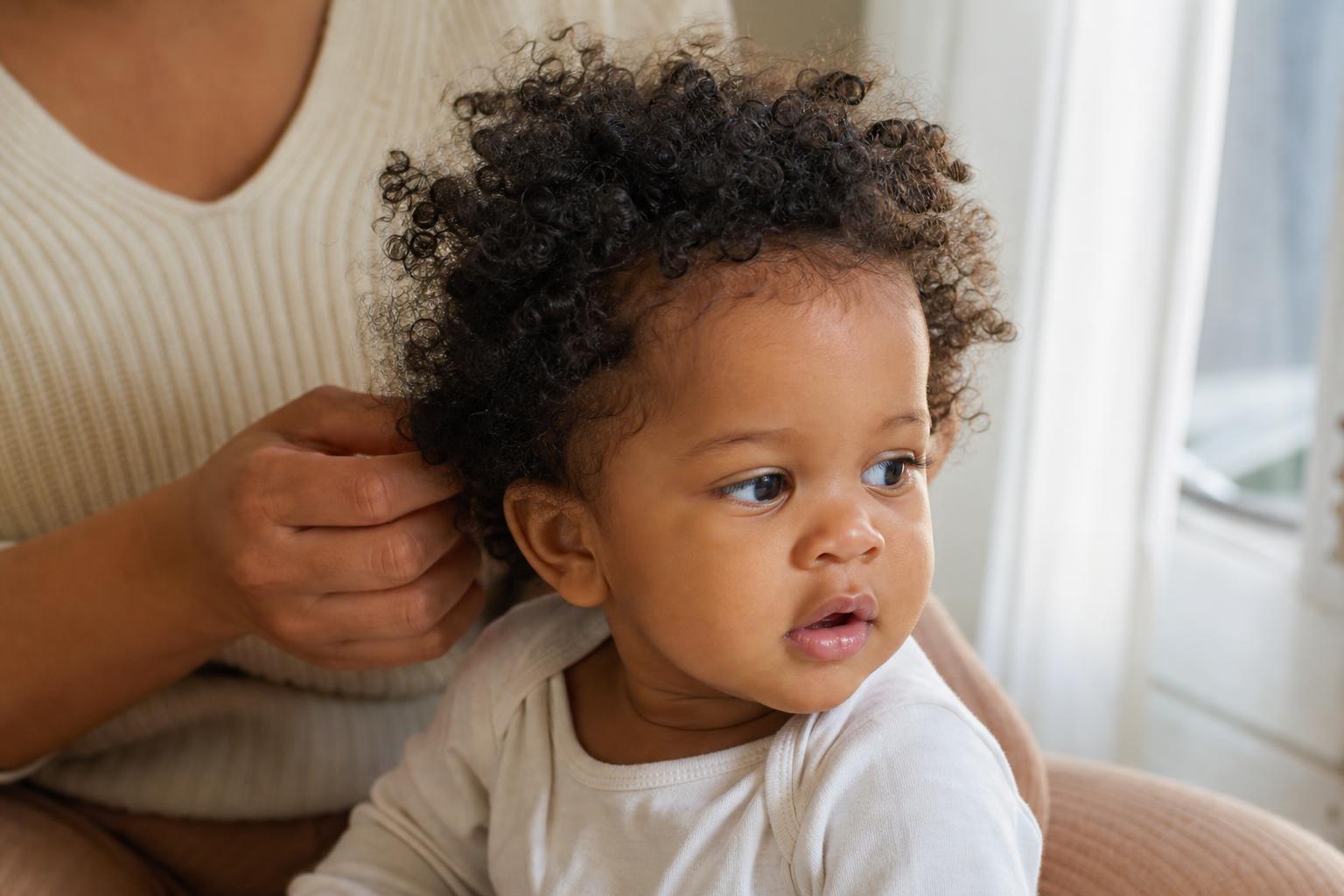
When your baby arrives with a head full of waves, curls, or coils, you might wonder how to care for that delicate texture without causing damage or discomfort. Baby hair requires an entirely different approach than adult hair, with gentler handling, simpler products, and styles that prioritize scalp health over appearance. This guide walks you through safe, age-appropriate styling techniques that honor your baby’s developing curl pattern while protecting those fragile follicles.
Understanding Baby Hair Texture & Development
How Curl Patterns Emerge from Birth to Age 3
The hair your baby is born with often bears little resemblance to their eventual texture. Many babies arrive with fine, straight strands that transform dramatically over the first few years. Some start with tight coils that loosen into looser curls, while others begin with barely-there waves that tighten into defined spirals by their second birthday.
This transformation happens because hair follicles are still maturing. During the first six months, most babies shed their newborn hair entirely, a normal process called telogen effluvium. The hair that grows back reflects their genetic blueprint more accurately, though even this may continue evolving. By 18 to 24 months, you’ll start seeing a more stable curl pattern, though the final texture typically doesn’t settle until age three or even later.
For babies with caring for wavy hair in their genetic background, you might notice S-shaped bends appearing at the roots as new growth comes in. Curly patterns (3a through 3c) usually become visible earlier, sometimes by six months, while coily textures (4a through 4c) may appear tightly coiled from birth or develop their distinctive zig-zag pattern gradually.
Scalp Sensitivity and pH Balance in Infant Hair
Baby skin has a higher pH than adult skin, typically ranging from 6.5 to 7.0 in newborns before gradually becoming more acidic over the first year. This elevated pH makes the scalp more vulnerable to irritation, dryness, and barrier disruption. The sebaceous glands that produce protective oils are also less active in infants, meaning baby hair naturally lacks the moisture shield that adult scalps provide.
Textured hair compounds this challenge. The natural curves and coils in wavy, curly, and coily hair make it harder for those limited scalp oils to travel down the hair shaft. This is why babies with type 2c hair needs or tighter textures often develop dry, brittle strands even with minimal manipulation. Their scalps require thoughtful hydration strategies rather than the harsh cleansing routines marketed for babies with straight hair.
When Permanent Texture Usually Appears
Most hair specialists and pediatric dermatologists agree that permanent texture becomes reliably predictable between ages two and three. Before then, you’re working with a moving target. A baby who appears to have loose waves at six months might develop tight corkscrews by 18 months, or vice versa.
This uncertainty means you should avoid committing to any intensive styling routine based on early observations. Instead, stay flexible and responsive to what you actually see on your baby’s head each month. The understanding porosity of your baby’s hair also develops over time, affecting how moisture penetrates and which products work best as they grow.
Essential Principles for Styling Baby’s Textured Hair
The Low-Manipulation Approach
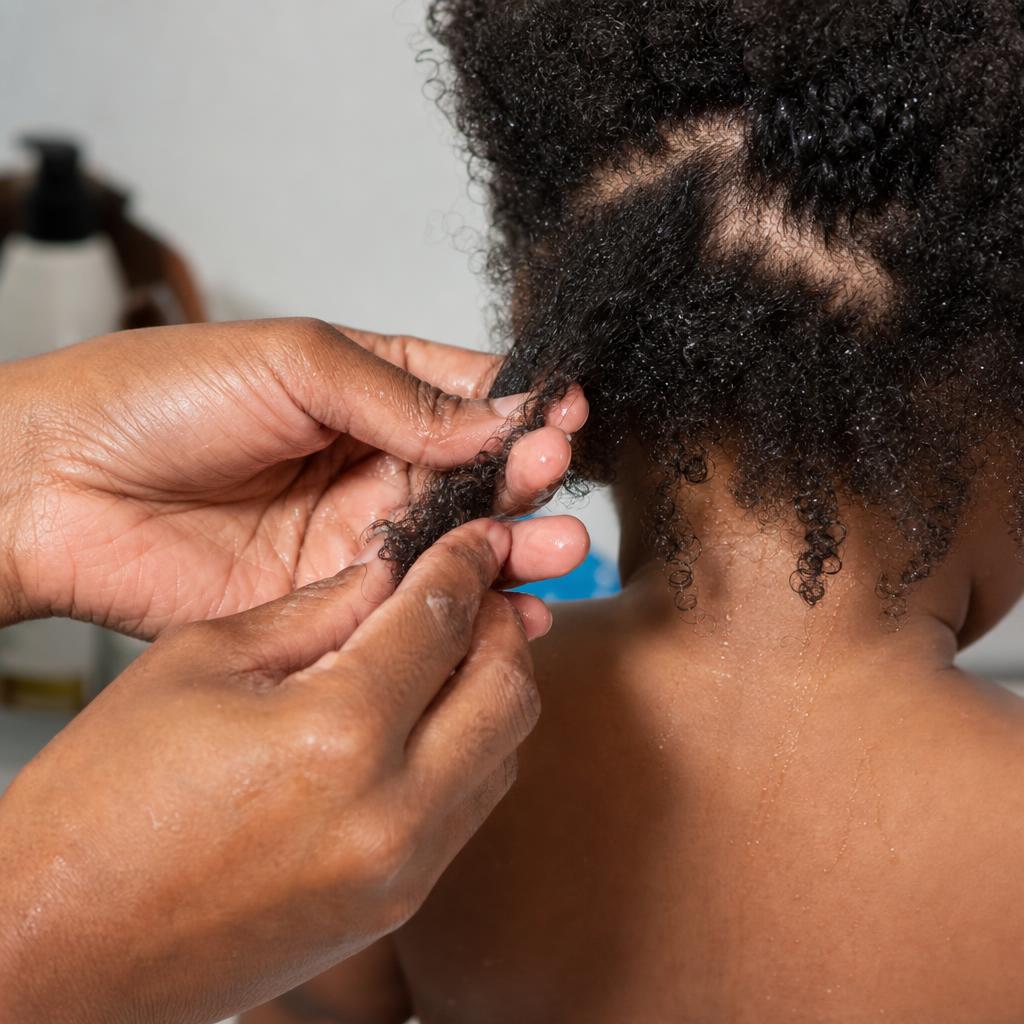
The golden rule for baby hairstyles is simple: less is always more. Developing follicles sit shallower in the scalp than adult follicles, making them easier to damage through pulling, twisting, or frequent restyling. Every time you manipulate baby hair, you risk creating traction that can permanently damage those follicles or cause temporary hair loss.
Low manipulation means choosing styles that can last several days without redoing, using your fingers instead of tools whenever possible, and accepting that some frizz or looseness is perfectly fine. Your baby’s hair doesn’t need to look “done” or polished. It needs to be healthy, comfortable, and protected from excessive handling that serves adult aesthetic preferences rather than infant wellbeing.
Moisture Retention for Types 2a Through 4c
Moisture is the foundation of healthy baby hair across all curl patterns. For wavy textures (2a through 2c), this might mean a simple spray of water and a lightweight gentle leave-in conditioner applied once daily. Curly patterns (3a through 3c) typically need slightly richer moisturizers, applied to damp hair and sealed with a small amount of natural oil.
Coily hair (4a through 4c) requires the most intentional moisture strategy. These tight curl patterns benefit from the LOC method adapted for babies: a liquid (water or watery leave-in), a light oil (like jojoba or sweet almond), and a cream (fragrance-free baby-safe curl cream) applied in thin layers. The key is using tiny amounts of each product, since baby hair is fine and easily weighed down.
Avoiding Traction and Tension on Developing Follicles
Traction alopecia, a form of hair loss caused by repeated pulling, affects children far more than most parents realize. According to pediatric research on traction alopecia prevention, tight hairstyles in early childhood create damage that may not become visible until years later. The follicles experience chronic inflammation that eventually prevents healthy regrowth.
For babies, this means no tight ponytails, no braids pulled taut at the roots, no elastic bands wrapped multiple times, and no styles that pull the hairline backward. If you can see the scalp being tugged when you create a style, it’s too tight. If your baby fusses or pulls at their hair, the tension is causing discomfort. Even styles that look gentle can cause problems if left in too long or created with too much force.
How Often to Style or Restyle
Most baby hairstyles should last three to seven days, depending on the texture and the style. Wavy hair might need refreshing every two to three days with a water spray and light product reapplication. Curly and coily hair can often go four to seven days in protective styles like loose twists or sectioned puffs before needing a complete restyle.
Daily styling is almost never necessary and usually does more harm than good. Plan your styling sessions around bath time, when hair is already wet and more pliable. Between styling sessions, focus on maintaining moisture and protecting hair during sleep with a satin or silk pillowcase, or a soft cotton bonnet that doesn’t apply pressure to the scalp.
Safe Baby Hairstyles by Curl Type
Gentle Styles for Wavy Hair (2a-2c)
Wavy baby hair looks beautiful when left loose and natural, but if you need to keep it contained, simple side parts with soft clips work well. Look for seamless plastic clips or fabric-wrapped snap clips that don’t pull or snag. A very loose, low ponytail secured with a spiral hair tie (the telephone cord style) distributes tension more evenly than traditional elastics.
For babies with thicker wavy hair that tangles easily, try dividing the hair into two or four loose sections and securing each with a soft scrunchie. This keeps sections separated for easier maintenance without creating the tension of tight styles. You can also experiment with gentle finger coils on damp hair, twirling small sections around your finger and allowing them to air dry for defined waves without heat or products.
Protective Options for Curly Hair (3a-3c)
Curly baby hair thrives in simple protective styles that keep ends tucked away and minimize daily manipulation. Large, chunky twists (four to eight total) work beautifully and can be installed in less than ten minutes. Start with damp, moisturized hair, divide it into sections, and gently twist each section without pulling at the roots. Secure ends by wrapping them around your finger rather than using bands.
The classic puff is another excellent option: gather hair gently at the crown or toward the back of the head, securing it loosely with a soft elastic or fabric scrunchie. The key is sliding the elastic onto already-gathered hair rather than pulling hair through multiple times. You can create two puffs (one on each side) for variety, or a single low puff that places minimal stress on the hairline.
Low-Tension Styles for Coily Hair (4a-4c)
For babies with type 4a coily hair and tighter textures, protective styling becomes especially important because the tight curl pattern makes hair more prone to tangling and breakage. Mini twists (slightly smaller than those for type 3 hair) help maintain definition and reduce knots. Install them on freshly washed, conditioned, and moisturized hair, working in small sections but never pulling tightly.
Bantu knots (small, flat coils pinned against the scalp) work well for special occasions and can be installed loosely for comfort. Thread wrapping, where soft yarn or thread is wrapped around small sections of hair, provides protection without tension, though it requires patience and a gentle hand. The simplest approach is often sectioning hair into four to six parts with soft scrunchies or fabric-covered bands, then moisturizing and maintaining each section independently.
Simple Twists, Braids, and Puffs That Work
When executing any of these styles, remember that baby versions should always be looser, chunkier, and simpler than their adult counterparts. A two-strand twist on a baby should be fat and loose, not tight and narrow. Braids should be limited to two or three large plaits maximum, never small box braids or cornrows that require hours of tension on the scalp.
Start every style on clean, detangled, well-moisturized hair. Work quickly to minimize the time your baby needs to sit still. Have toys, songs, or screen time ready as distraction. If your baby becomes distressed, stop immediately and try again another day. No hairstyle is worth creating negative associations with hair care or causing genuine discomfort to achieve a certain look.
Detangling and Daily Care Techniques
Finger-Detangling vs. Wide-Tooth Combs
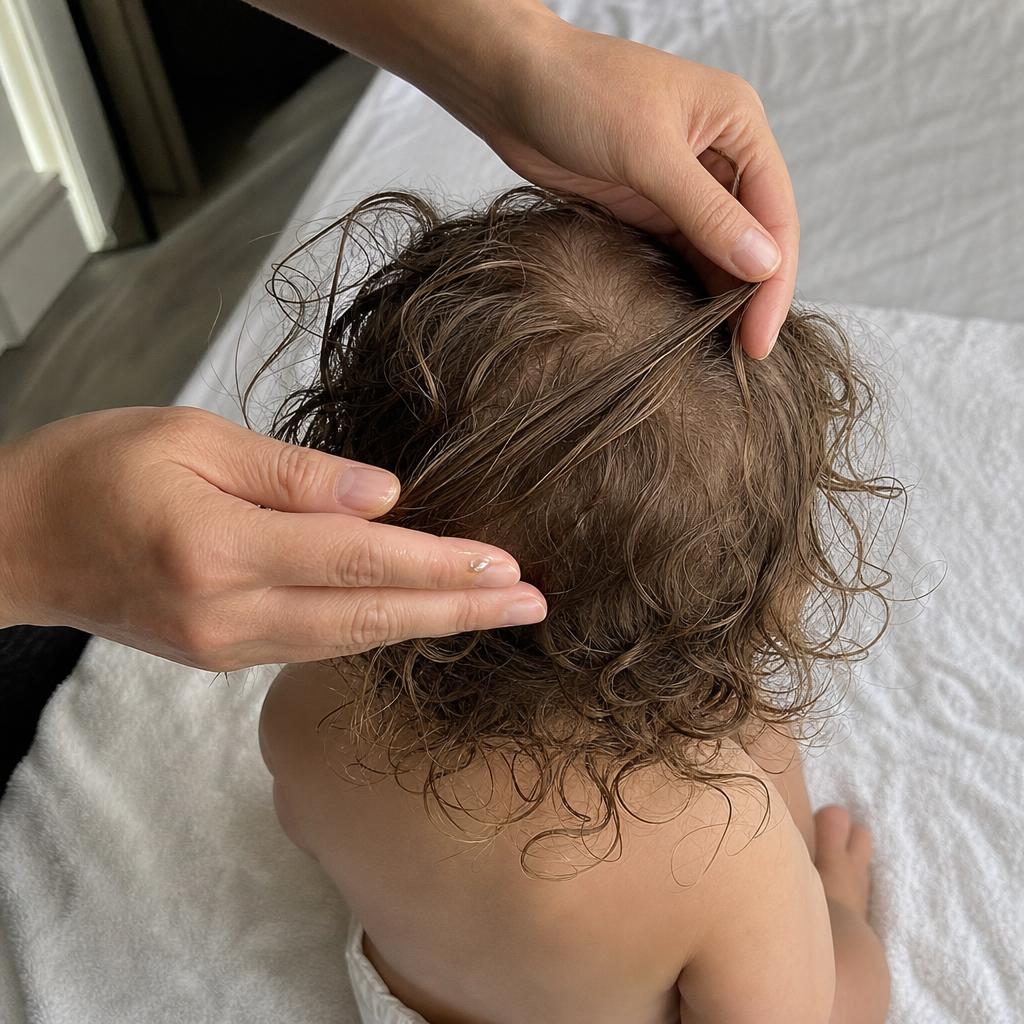
Your fingers are the best detangling tool for baby hair. They provide immediate feedback about resistance and allow you to feel knots before they become problematic. Start at the ends and work upward in small sections, gently separating strands with your fingertips. Apply a detangling spray or leave-in conditioner for slip, and never force through a knot by pulling harder.
Wide-tooth combs can be introduced around 12 to 18 months for thicker, longer hair, but they should supplement finger-detangling, not replace it. Choose combs with rounded, seamless teeth and plenty of space between each tooth. The Denman-style brushes and fine-tooth combs marketed for adult curls are far too aggressive for baby scalps. Even wide-tooth combs should be used sparingly, perhaps once or twice weekly rather than daily.
Best Times to Detangle (Wet vs. Dry)
For most textured baby hair, detangling works best on damp (not soaking wet) hair with product applied for slip. This is typically during or right after bath time. Wet hair is more elastic and less prone to breakage than completely dry hair, but it’s also more fragile than many parents realize, so gentleness remains critical.
Wavy hair (types 2a through 2c) can sometimes be detangled when dry using a spray bottle to add light moisture section by section. Curly and coily hair (types 3 and 4) should almost always be detangled wet with generous leave-in conditioner or a dedicated detangling product. Never attempt to detangle coily hair when dry unless it’s been recently moisturized and remains soft and pliable.
Managing Common Issues: Tangles, Dryness, Cradle Cap
Persistent tangles usually signal insufficient moisture or too much time between detangling sessions. Address this by increasing your moisturizing routine and detangling more frequently before knots have time to tighten. For stubborn knots, apply extra conditioner or oil directly to the tangle, let it sit for a few minutes, then work it apart slowly with your fingers.
Dryness in baby hair typically responds to a better moisture routine rather than heavier products. Focus on water-based leave-ins, seal with lightweight oils, and protect hair during sleep. Avoid products with drying alcohols (like denatured alcohol or SD alcohol) and limit cleansing to once weekly or even less frequently unless the scalp becomes dirty.
Cradle cap (infantile seborrheic dermatitis) appears as yellowish, scaly patches on the scalp and affects babies across all hair textures. Treat it by applying a small amount of natural oil (coconut, olive, or jojoba) to affected areas, letting it sit for 10 to 15 minutes, then gently massaging with a soft brush or washcloth before shampooing. According to AAP infant skin and hair care recommendations, most cases resolve within the first year, but persistent cases should be evaluated by a pediatrician.
Choosing Safe Products for Baby’s Hair
Hypoallergenic and pH-Balanced Ingredients
Baby hair products should maintain a pH between 4.5 and 6.0 to support the developing scalp barrier. Look for products explicitly labeled pH-balanced for infants, or test products yourself using pH strips if you’re using curl-specific products not marketed for babies. Ingredients should be minimal and recognizable, avoiding long lists of unpronounceable chemicals.
Hypoallergenic formulas reduce the risk of allergic reactions, but they’re not guaranteed safe for every baby. Watch for signs of sensitivity including redness, excessive scratching, rashes, or changes in hair texture after introducing new products. Patch-test new products on a small area of scalp for 24 to 48 hours before full application.
Sulfate-Free, Fragrance-Free Formulas
Sulfates (like sodium lauryl sulfate and sodium laureth sulfate) strip natural oils aggressively, leaving baby hair and scalp dry and vulnerable. Choose sulfate-free cleansers or even just water washing for the first several months. Fragrance, whether synthetic or natural, is a leading cause of skin irritation in babies. Opt for fragrance-free or unscented formulas, understanding that “unscented” sometimes means fragrance has been added to mask natural smells, while “fragrance-free” truly contains no fragrance ingredients.
Essential oils, though natural, can be irritating or allergenic for babies. Avoid products with lavender, tea tree, eucalyptus, or peppermint oils, especially for babies under six months. When fragrance is present in baby-specific curl products, it should appear near the end of the ingredient list, indicating minimal concentration.
Simple Moisturizers and Natural Oils
The best moisturizers for baby hair are straightforward: water-based leave-in conditioners with minimal ingredients, simple aloe vera gel, or pure vegetable glycerin diluted with water. For sealing moisture, stick with single-ingredient natural oils like jojoba (which closely mimics scalp sebum), sweet almond oil, avocado oil, or fractionated coconut oil. These absorb well without leaving heavy buildup on fine baby hair.
Shea butter and coconut oil (solid, non-fractionated) work well for many babies with coily hair, but they can be too heavy for finer textures. Start with tiny amounts and observe how your baby’s hair responds. If hair looks greasy or limp, the product is too heavy. If it stays dry and frizzy despite application, you may need a different oil or need to apply to wetter hair for better absorption.
When to Introduce Styling Products
Most babies don’t need styling products beyond moisturizer and oil until at least their first birthday, and many do fine without them until age two or three. When you do introduce light styling products (like curl creams or gels), choose formulas specifically designed for children, free from harsh hold agents, and easy to wash out with water alone or gentle cleanser.
Avoid products containing parabens, phthalates, mineral oil, petrolatum, or dimethicone in the first two years. These ingredients either pose potential health concerns or create buildup that’s difficult to remove from delicate hair. Watch for products containing proteins (like hydrolyzed wheat protein or keratin), which can cause stiffness or dryness in some babies. Introduce one new product at a time so you can identify the source if problems develop.
Frequently Asked Questions
How often should I wash my baby’s curly hair?
Most babies with textured hair need washing only once per week or even every 10 to 14 days. Overwashing strips the limited natural oils their scalps produce, leading to dryness. Between washes, refresh hair with water sprays and moisturizing leave-in products as needed. If your baby has cradle cap, active scalp issues, or gets genuinely dirty, you may need to wash more frequently, but daily washing is rarely necessary for curl health.
Can I use adult curl products on my baby?
Some adult curl products are safe for babies if they’re free from harsh ingredients, but many contain proteins, strong hold agents, or essential oils unsuitable for infant scalps. Check every ingredient carefully and prioritize products specifically formulated for children. Adult products designed for mature, color-treated, or damaged hair often contain ingredients too intense for developing hair and sensitive baby skin.
When can I start putting my baby’s hair in braids?
You can begin very loose, chunky braids around 12 to 18 months if your baby’s hair is long enough and they can tolerate sitting for the process. Never attempt tight braiding, cornrows, or intricate patterns on babies or toddlers. Their follicles are too vulnerable to traction damage, and the time required creates unnecessary stress. Large, loose plaits that can be installed in under five minutes are the only appropriate braiding for this age group.
Is it normal for my baby’s curl pattern to change?
Completely normal. Most babies experience at least one significant texture change between birth and age three, with some seeing multiple shifts. Hair may start straight and become curly, begin curly and loosen to wavy, or change density and thickness without altering curl pattern. These changes reflect ongoing follicle maturation and hormonal shifts that are part of normal infant development.
What should I do if my baby hates having their hair touched?
Respect their boundaries and work in very short sessions, even if it means leaving hair loose and simple for months. Make hair time positive with songs, special toys that only come out during hair care, or favorite videos. Never force a child to sit through a lengthy styling session. Choose wash-and-go approaches or extremely simple styles that require minimal manipulation. As they mature and gain more body control, tolerance typically improves.
How can I prevent my baby from pulling out their hair?
Hair pulling in babies can signal discomfort from too-tight styles, scalp irritation, or developmental exploration. First, eliminate any styles creating tension. Check for scalp issues like dryness, eczema, or product reactions. For babies who pull hair as a self-soothing behavior (like thumb-sucking), gently redirect to another comfort object and keep styles smooth and flat against the head so there’s less to grab. Persistent hair-pulling that creates bald patches should be discussed with your pediatrician.
Conclusion
Caring for your baby’s textured hair comes down to patience, gentleness, and accepting that simplicity serves them better than elaborate styling. The curl pattern you see today will likely shift and change, so building flexible habits around moisture, low manipulation, and scalp health creates a foundation that adapts as your baby grows. Focus on keeping hair clean, hydrated, and free from tension rather than achieving any particular look, and you’ll support healthy follicle development that serves them for life.
Start with one small improvement this week: perhaps switching to a gentler detangling method, introducing a simple moisture routine, or loosening a style you realize pulls too tightly. Your baby’s hair doesn’t need perfection; it needs protection, and you’re already providing that by seeking out information and approaching their care thoughtfully. Trust your instincts, watch how your baby’s unique texture responds, and remember that healthy hair at this age looks like happy, comfortable babies, not salon-perfect styles.


