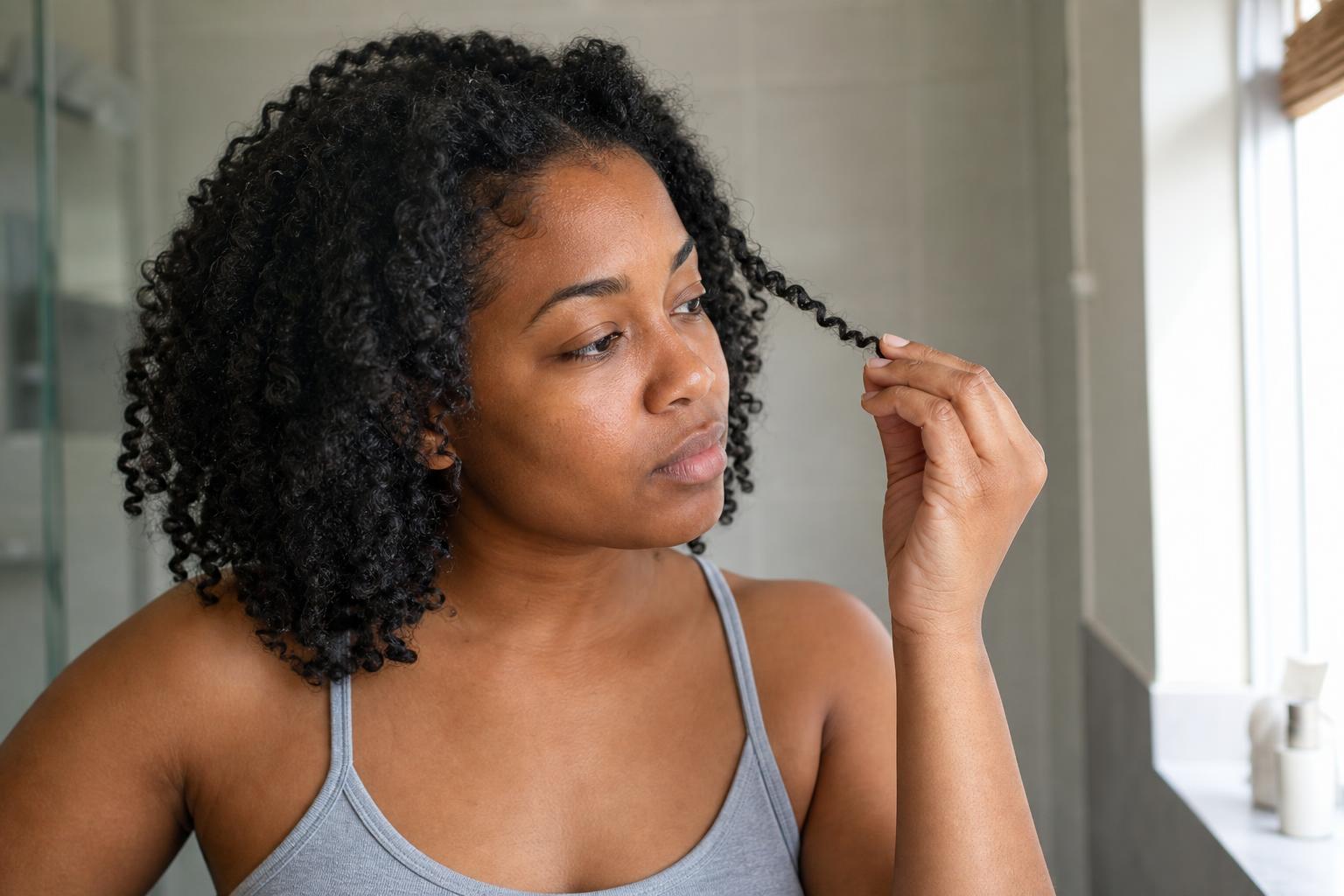
If you have 4A hair, you’re working with tightly coiled springs that pack beautiful volume and versatility. Your coils are small, densely packed, and full of personality, but they can also shrink dramatically and crave moisture more than looser curl patterns. The right hairstyles don’t just look amazing on 4A texture; they work with your coils’ natural behavior rather than against it, giving you definition, length retention, and styles that actually last. Whether you want wash-and-go ease, protective versatility, or low-manipulation everyday looks, understanding how to prep and style your specific coil pattern makes all the difference.
Understanding 4A Hair Before Styling
What Makes 4A Coils Unique
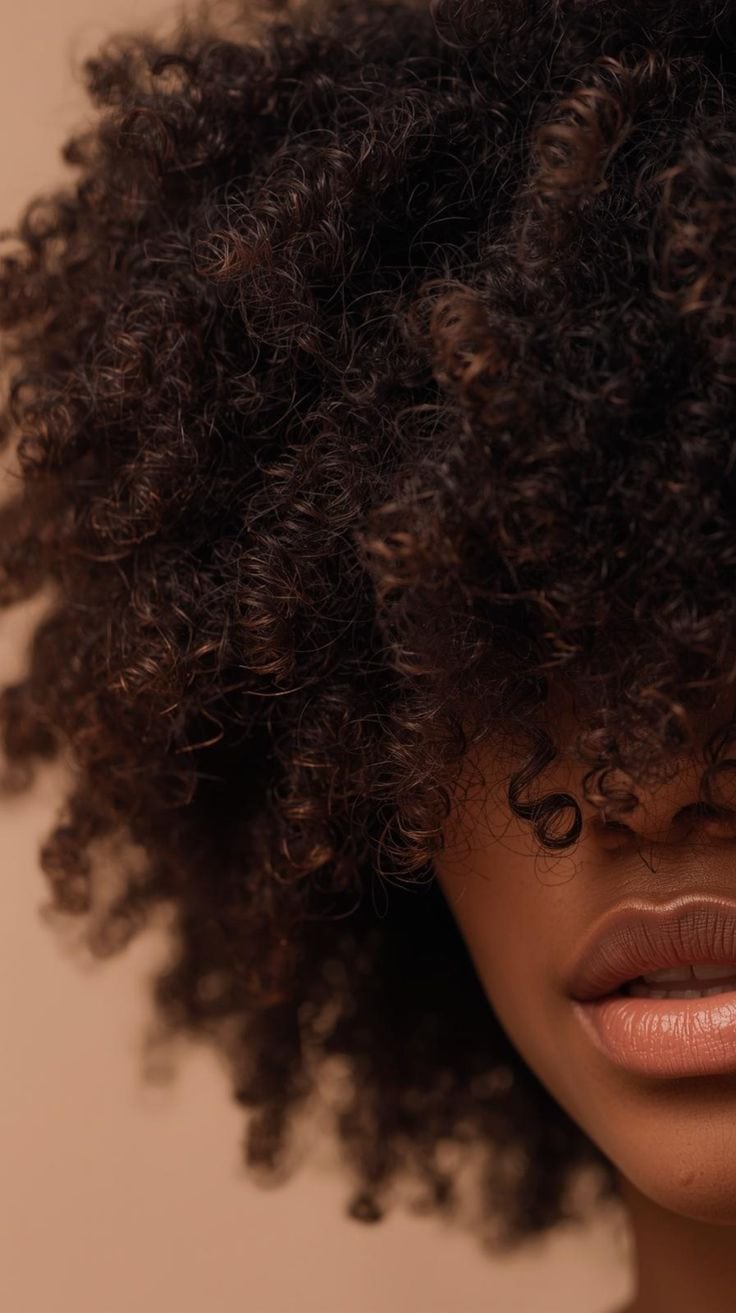
Your 4A hair texture forms tight, springy coils that resemble a corkscrew or coiled telephone cord, typically about the circumference of a crochet needle. This distinct coil pattern creates natural volume and bounce, but it also means each strand loops back on itself repeatedly, making moisture distribution more challenging than it is for looser curl patterns. Unlike wavy or loosely curly hair, 4A coils don’t allow sebum (your scalp’s natural oil) to travel down the hair shaft easily, which is why your hair can feel dry even when your scalp produces adequate oil.
The density of 4A coils also creates beautiful fullness, but individual coil definition can get lost without proper styling techniques. Each coil wants to clump with its neighbors when wet, but as hair dries, friction and manipulation can separate those clumps into frizz. That’s why styling products and application methods matter so much for this texture.
Shrinkage and Moisture Needs
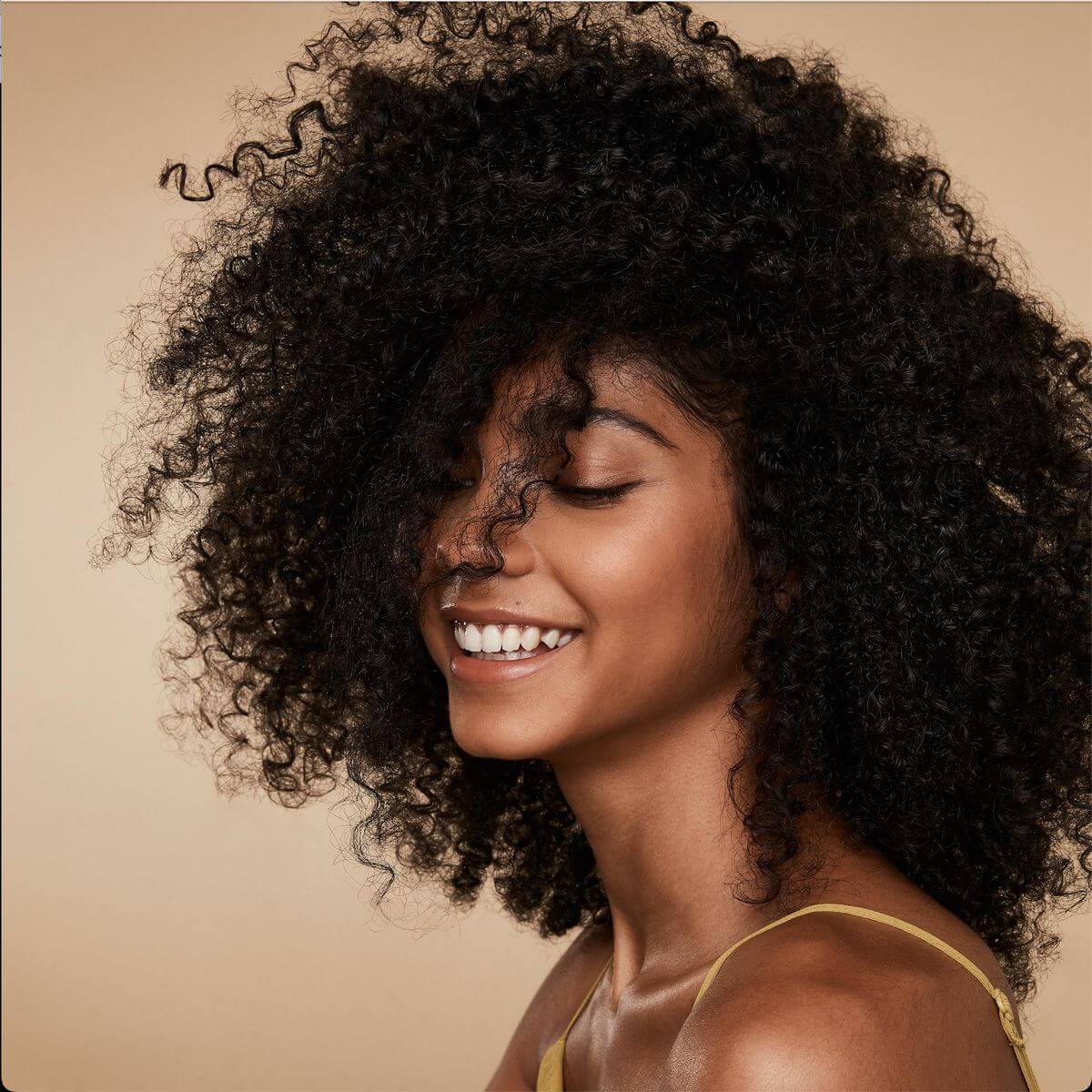
Shrinkage is one of 4A hair’s signature traits, and it’s not a flaw but rather proof of your coils’ spring and elasticity. You can expect anywhere from 50 to 75 percent shrinkage when your hair air-dries, which means shoulder-length stretched hair might appear chin-length or shorter when worn in its natural coiled state. While shrinkage protects your ends and demonstrates hair health, it can be frustrating when you want to show length.
Moisture retention presents another challenge, especially if you have low porosity coils that resist water absorption. According to research on hair porosity and moisture retention, tightly coiled hair patterns often require moisture-sealing techniques and humectant-rich products to maintain hydration throughout the day. Without adequate moisture, 4A coils become brittle, lose definition, and break more easily.
Foundation: Prep for Any 4A Style
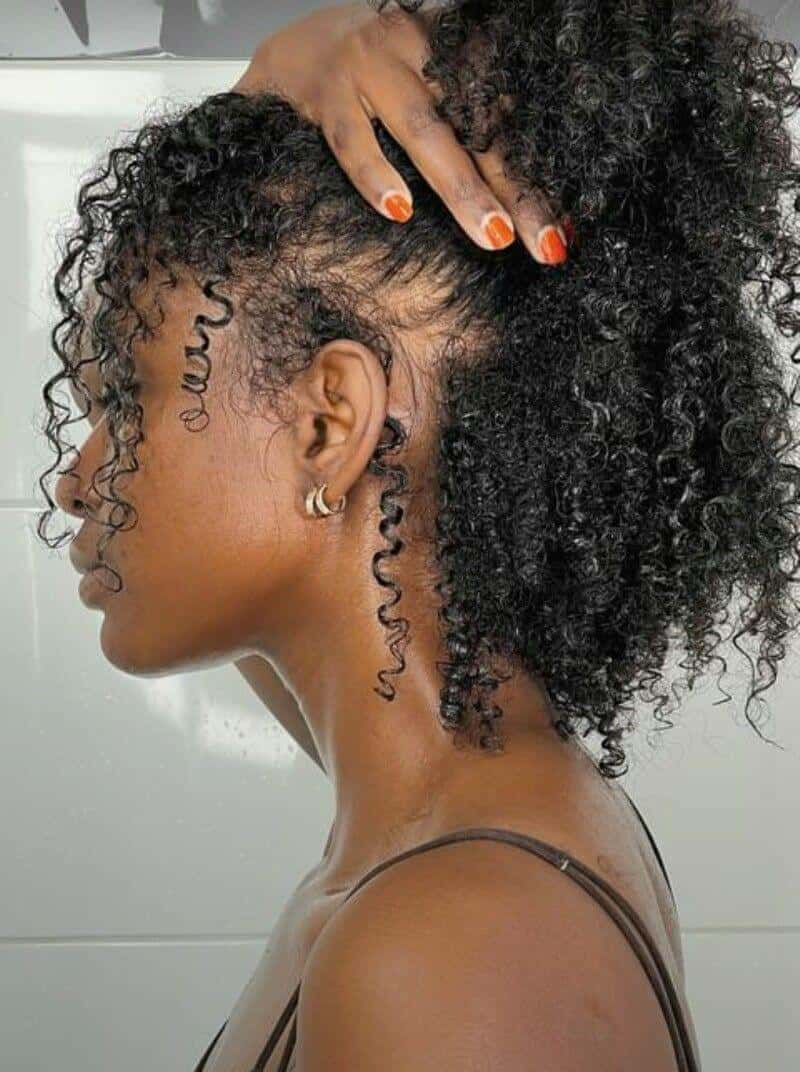
Every successful 4A hairstyle starts with properly cleansed, conditioned, and moisturized hair. Use a sulfate-free shampoo or co-wash that cleanses without stripping natural oils, then follow with a deep conditioning treatment at least weekly. Your conditioning step should include slip, meaning enough lubrication to detangle without excessive manipulation.
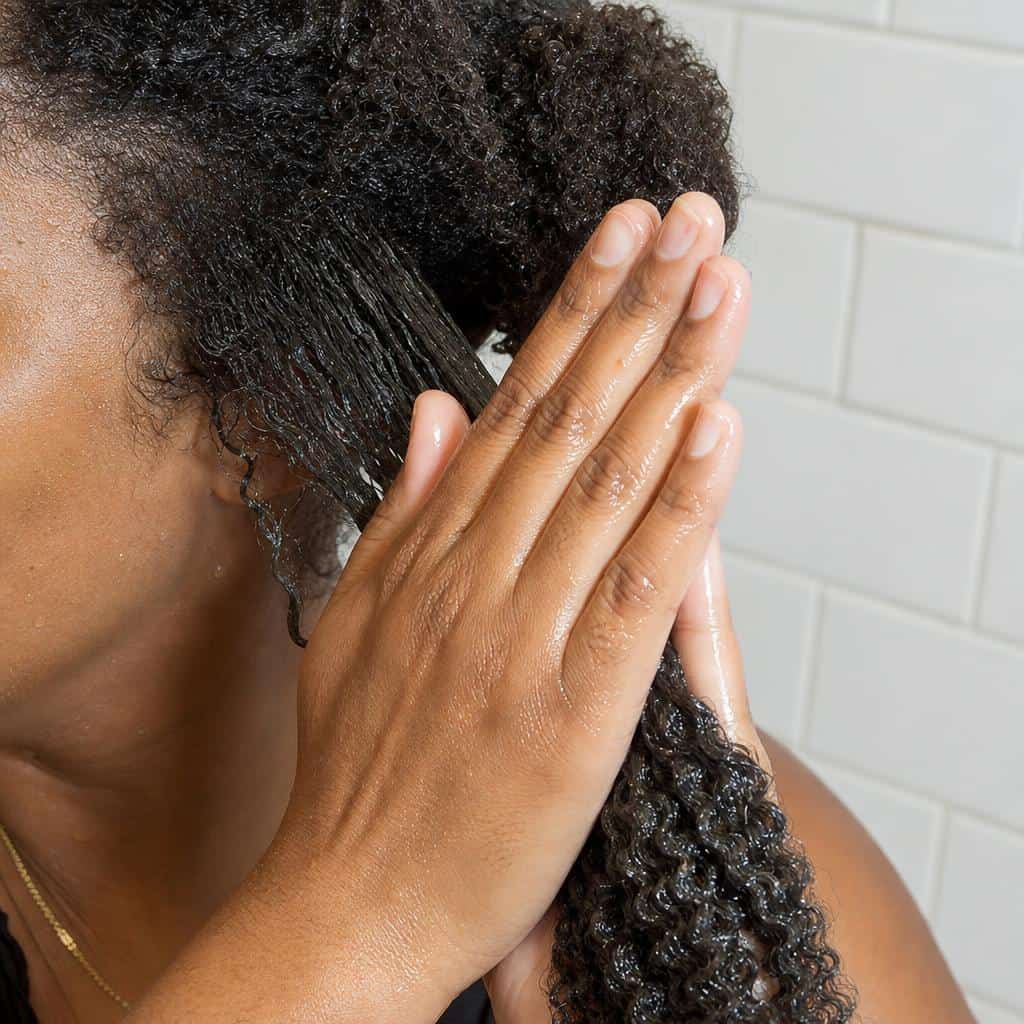
After conditioning, apply products to soaking-wet hair, not damp hair. This is critical for 4A coils. Water is your primary styling agent, and products applied to wet hair distribute more evenly and provide better coil clumping. Start with a quality leave-in conditioner using the praying hands method (smoothing product between your palms down sections of hair), then layer a curl cream or custard for hold, and seal everything with a lightweight oil or butter on the ends.
Wash-and-Go Styles for 4A Coils
Classic Defined Wash-and-Go
The wash-and-go is the ultimate low-maintenance style for 4A hair when executed properly. After applying your leave-in conditioner to dripping-wet hair, section your hair into four to six parts for easier product distribution. Apply a strong-hold gel designed for coily hair using the raking method: spread fingers wide and rake through each section from root to tip, encouraging coils to clump together.
Once gel is applied, use the “shake and bounce” technique by gently shaking each section to encourage coil formation, then either air-dry or use a hooded dryer on low heat. The key to a successful wash-and-go is the gel cast, that crunchy feeling when hair is completely dry. Once fully dry (this can take several hours), scrunch out the crunch by gently squeezing sections of hair to break the gel cast, revealing soft, defined coils underneath.
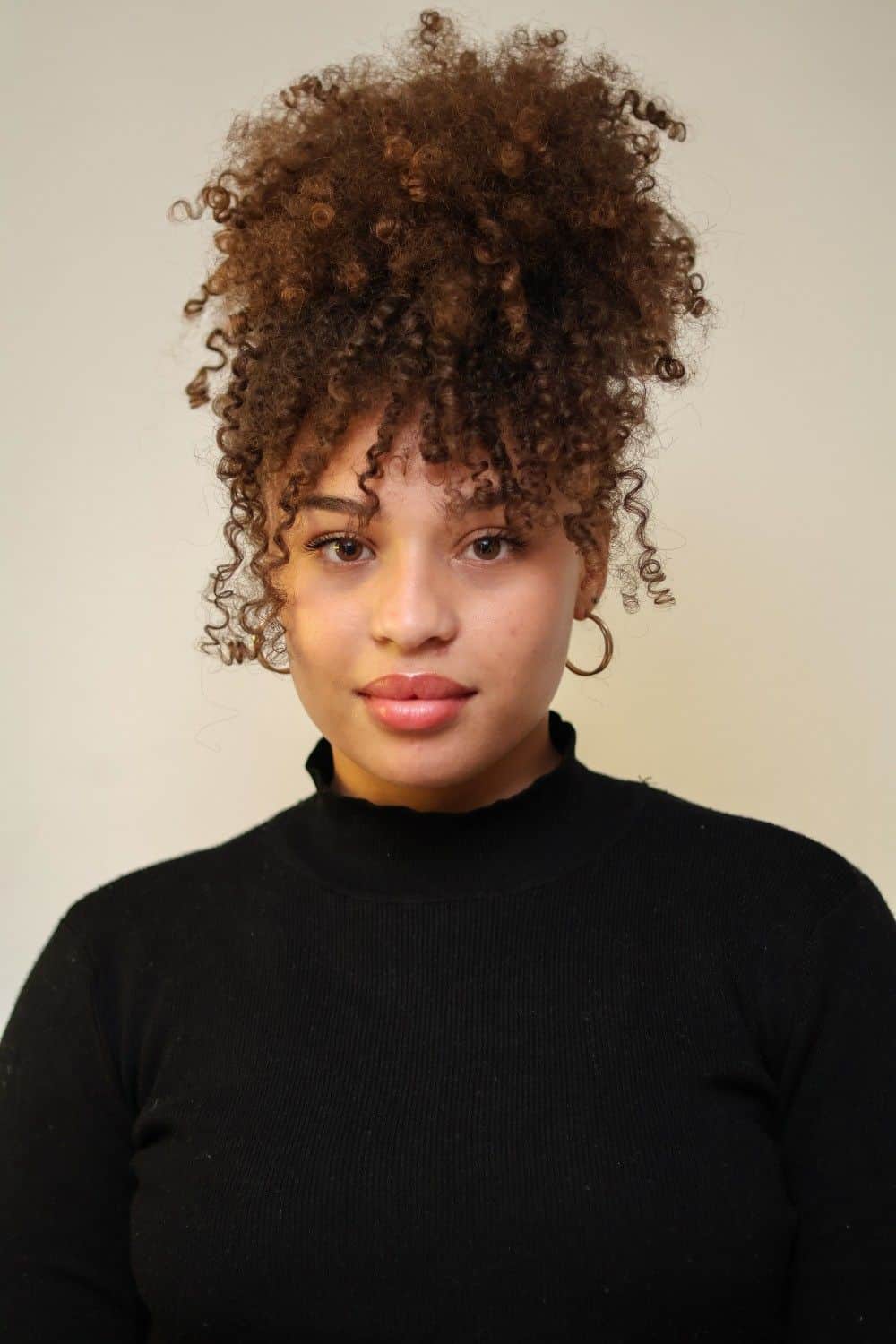
Elongated Wash-and-Go with Shingling
Shingling is a more time-intensive technique that provides maximum coil definition and some elongation. Working on soaking-wet hair in small sections (about half-inch wide), apply gel or curl cream to each tiny section individually, then smooth it from root to tip between your thumb and forefinger. This “shingling” motion coats each coil and encourages it to form a defined spiral.
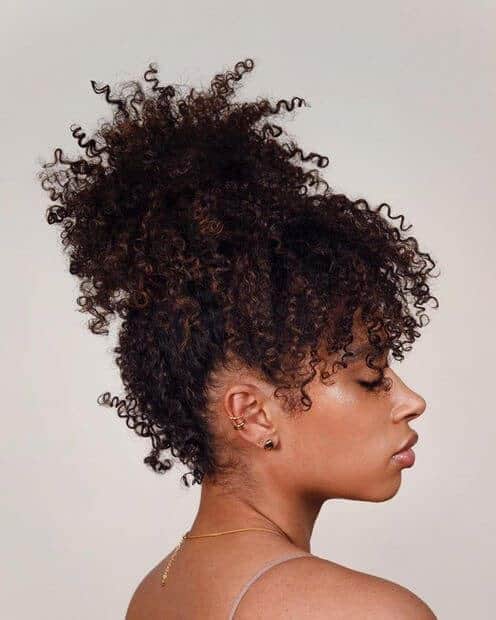
For added elongation, gently pull each shingled section downward as you apply product, or use a Denman brush to smooth product through while stretching the coil slightly. This method takes significantly longer than a traditional wash-and-go but produces extremely defined, uniform coils with less shrinkage. Expect to spend 45 minutes to over an hour depending on your hair’s density.
Product Layering for Maximum Definition
The LOC or LCO method (Liquid, Oil, Cream or Liquid, Cream, Oil) helps 4A coils retain moisture and definition throughout the week. Start with water or a water-based leave-in (liquid), add a lightweight oil like jojoba or grapeseed to seal in moisture, then finish with a cream or gel for hold and definition. Some people find better results reversing the oil and cream order, so experiment to see what your coils prefer.
Avoid over-layering, which creates product buildup and weighs down coils. Two to three products are typically sufficient. If your hair feels sticky, heavy, or looks dull, you’re likely using too much product or products with incompatible ingredients (such as silicones mixed with water-soluble gels).
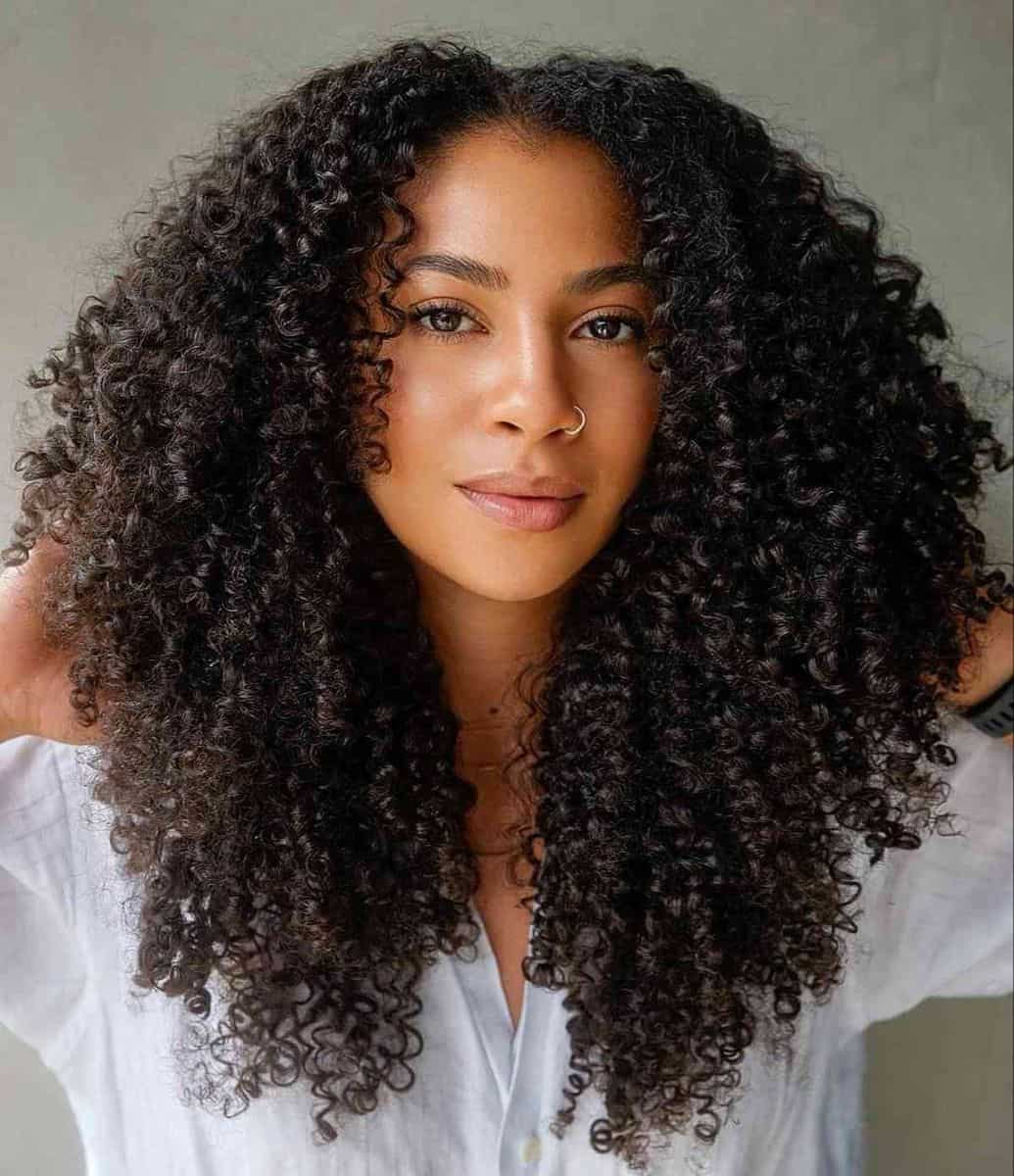
Stretched and Elongated 4A Hairstyles
Braid-Out and Twist-Out Techniques
Braid-outs and twist-outs offer defined texture with significant elongation, making them ideal when you want to show your hair’s length while protecting your ends. For a braid-out, section freshly washed, conditioned hair into medium-sized sections and apply your styling cream or butter. Braid each section (three-strand plaits work well), ensuring you braid all the way to the ends and secure with a small elastic or bobby pin.
Allow braids to dry completely, either overnight or under a hooded dryer, then carefully unravel each braid without separating the curl pattern too much. For more volume, gently separate the defined waves with your fingers. Twist-outs follow the same principle but use two-strand twists instead of braids, creating a tighter, more defined pattern that’s beautiful on 4A coils.
Banding for Length Retention
Banding is a heatless stretching method that elongates 4A coils while they dry, reducing shrinkage by 40 to 60 percent. After applying leave-in conditioner to damp (not soaking) hair, divide hair into four to eight sections depending on thickness. Starting at the roots, wrap a fabric-covered elastic or soft hair tie around each section, then add another elastic two to three inches down, continuing this pattern down the length of each section.
The tension from the bands gently stretches your coils as they dry, creating elongated, fluffy hair without heat damage. Leave bands in until hair is completely dry (usually overnight), then remove them carefully and style as desired. This technique is excellent before creating updos, buns, or any style where you want added length.
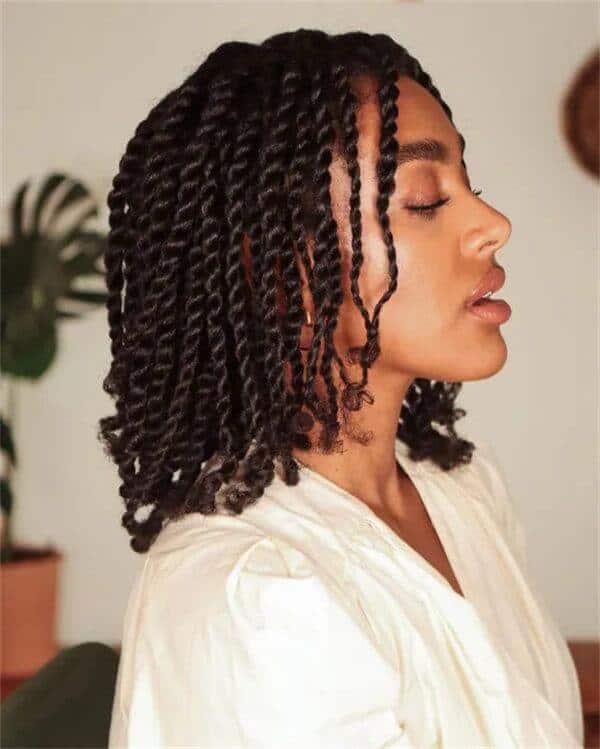
Blow-Out Styles with Heat Protection
A blow-out can give 4A hair dramatic length and volume, but heat protection is non-negotiable. On freshly washed hair, apply a heat protectant spray or cream to every section, then use the tension method: hold each section taut while directing the blow dryer’s nozzle down the hair shaft from root to tip. This smooths the cuticle and elongates coils without requiring a brush.
For even more stretch, use the comb-chase method with a wide-tooth comb attachment, or follow up with a blow-dryer brush on low-to-medium heat. Keep the dryer moving constantly to avoid heat concentration in one spot, and limit blow-outs to once or twice monthly to minimize heat damage. Always finish with a lightweight oil to seal the cuticle and add shine.
Protective Styles for 4A Hair
Two-Strand Twists and Flat Twists
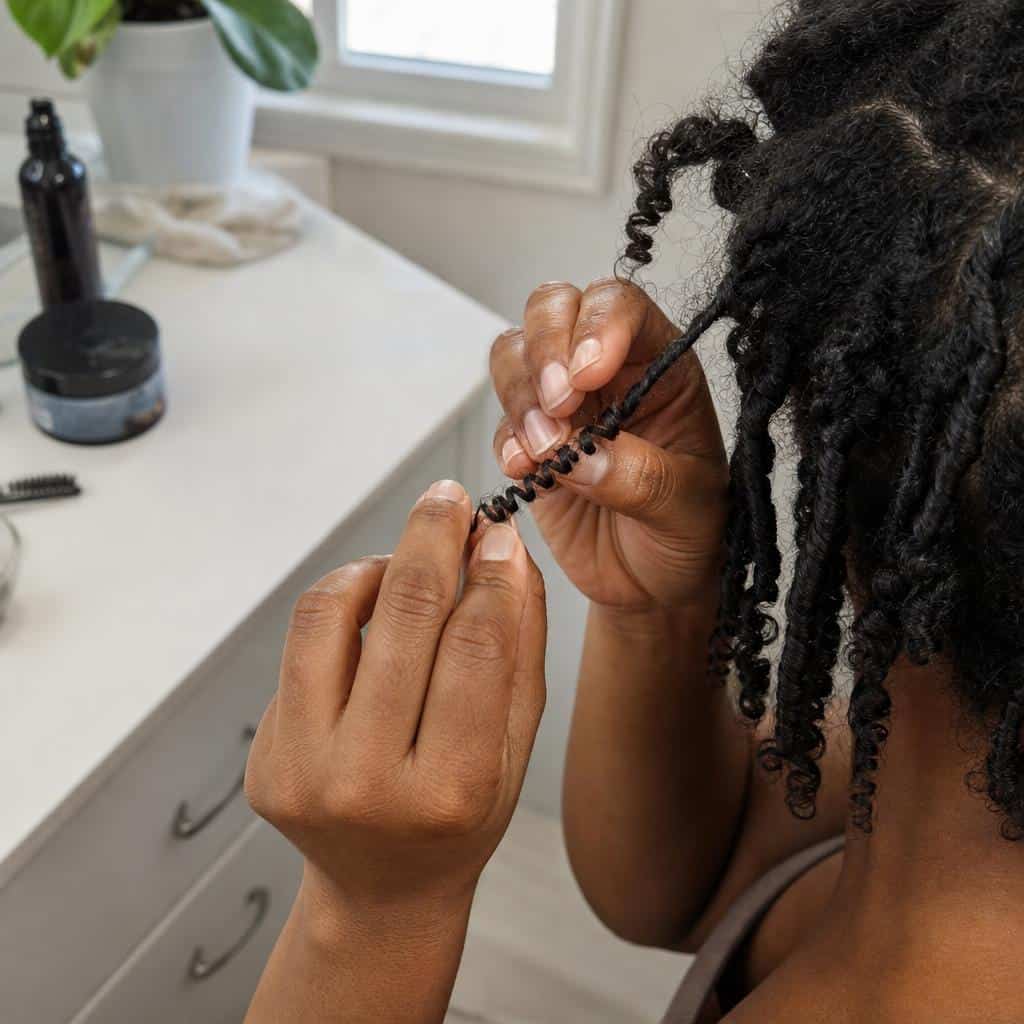
Two-strand twists are one of the most versatile protective styles for 4A coils because they’re gentle on your hair, relatively quick to install, and can last one to three weeks with proper maintenance. Section clean, moisturized hair into small-to-medium parts, apply a twisting cream or butter to each section, then divide it in half and twist the two pieces around each other from root to tip.
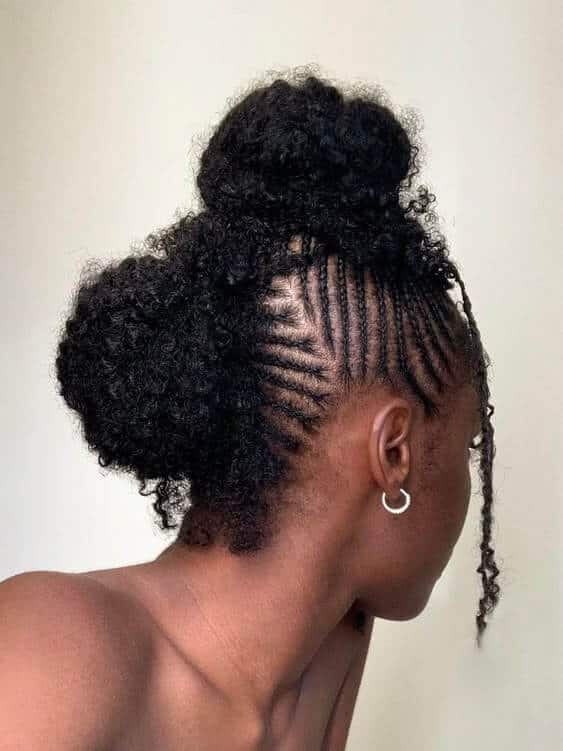
Flat twists (similar to cornrows but with two strands instead of three) lie flush against the scalp and work beautifully for updos, half-up styles, or creating patterns along your hairline. Both styles protect your ends from manipulation and environmental damage while allowing your scalp to breathe. You can wear the twists as-is or unravel them after a few days for a textured twist-out.

Braided Updos and Buns
Updos keep your ends tucked away and protected, which is essential for length retention with 4A hair. Try a high bun created from stretched hair (via banding or a previous braid-out): gather hair into a high ponytail using a fabric scrunchie, twist the ponytail around its base, and secure with bobby pins. For added elegance, leave out some edges or face-framing coils.
Braided updos combine protection with style. Create four to six large braids, then pin them into a low bun, crown, or intricate pattern at the back of your head. These styles can last several days and transition easily from casual to formal settings with the right accessories.

Faux Locs and Passion Twists
Extension-based protective styles like faux locs and passion twists give 4A hair a break from daily manipulation while offering length and styling flexibility. Faux locs are installed by wrapping synthetic hair around small sections of your natural hair, creating the appearance of mature locs without the commitment. They typically last four to eight weeks and require minimal daily maintenance.
Passion twists use a lighter, curlier synthetic hair wrapped in a two-strand twist pattern, creating a softer, more bohemian look than traditional faux locs. Both styles protect your natural coils from environmental stressors and manipulation, but they require proper preparation (clean, moisturized hair before installation) and maintenance (regular scalp cleansing and moisturizing) to avoid dryness or breakage when removed.
Low-Manipulation Everyday Styles
Pineapple Updo for Second-Day Hair
The pineapple is your best friend for preserving wash-and-go or twist-out definition overnight and refreshing it the next day. Before bed, flip your head upside down and gather all your hair into a very high, loose ponytail at the crown of your head using a satin scrunchie or fabric hair tie. Don’t smooth or tighten the ponytail; just loosely gather the hair to prevent flattening while you sleep.
In the morning, remove the scrunchie and gently shake out your coils. The pineapple prevents friction against your pillowcase and maintains volume at the roots. For extra protection, sleep on a satin pillowcase or wear a satin bonnet over your pineapple. This method easily extends a fresh style by three to five days.

Half-Up Styles and Top Knots
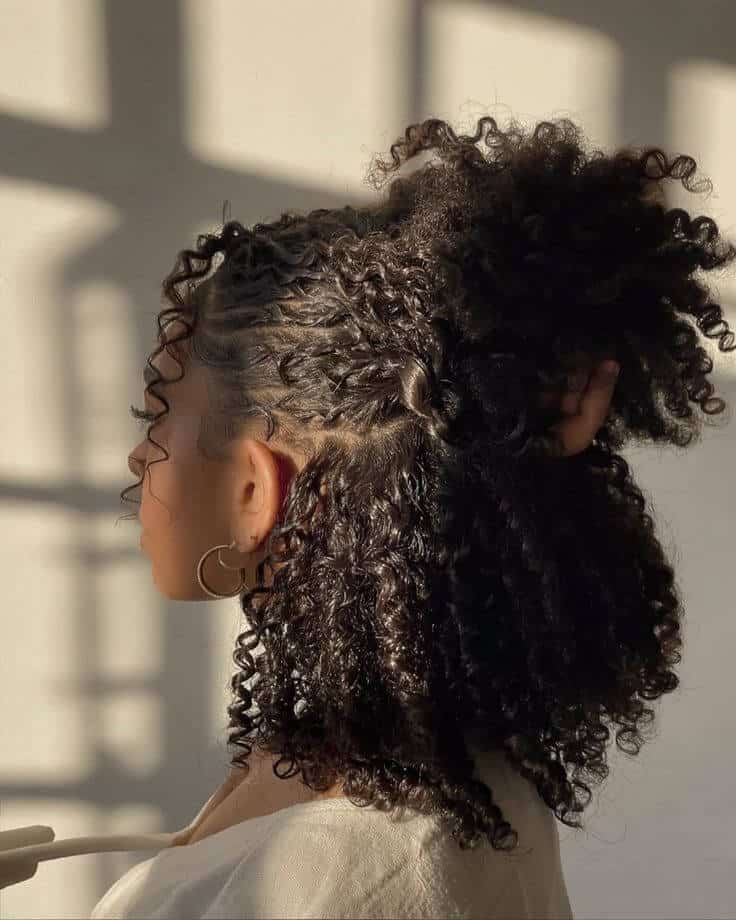
Half-up styles offer the perfect balance between showcasing your coils and keeping hair manageable. Gather the top half of your hair (from temple to temple across the crown) and secure it into a ponytail or bun, leaving the bottom section loose and defined. This works especially well on second or third-day hair when your roots might need a lift but your coils still have good definition.
Top knots are similarly easy: gather all your hair to the crown, twist it around itself, and secure with pins or a hair tie. For 4A coils, slightly stretch your hair first (via banding or a previous braid-out) so the top knot has more height and fullness. These styles minimize manipulation while keeping your ends protected.
Headband and Scarf Accessories
Accessories can completely transform a simple style while protecting your hairline from tension and manipulation. Wide fabric headbands smooth edges and frame your face beautifully, while silk or satin scarves can be tied, twisted, or wrapped around buns and ponytails for added color and texture.
For a quick refresh on day-old hair, smooth your edges with a light gel or edge control, place a decorative headband about an inch back from your hairline, and fluff your coils for volume. This takes under five minutes and makes even tired hair look intentional and polished.

Maintaining Definition Between Styles
Nighttime Preservation Methods
How you protect your 4A coils at night determines how long your style lasts and how much re-styling you’ll need in the morning. Beyond pineappling, consider sectioning hair into four to six loose twists or braids before bed, which preserves coil clumps while preventing tangling. Secure each section loosely with a fabric-covered elastic or clip.
Always sleep on satin or silk pillowcases, or wear a satin bonnet or scarf. Cotton pillowcases create friction that roughens your hair cuticle, causes frizz, and absorbs moisture from your coils overnight. A complete guide to type 4 hair characteristics emphasizes that nighttime protection is one of the most critical factors in maintaining healthy, defined coils.
Refreshing Coils Without Rewashing
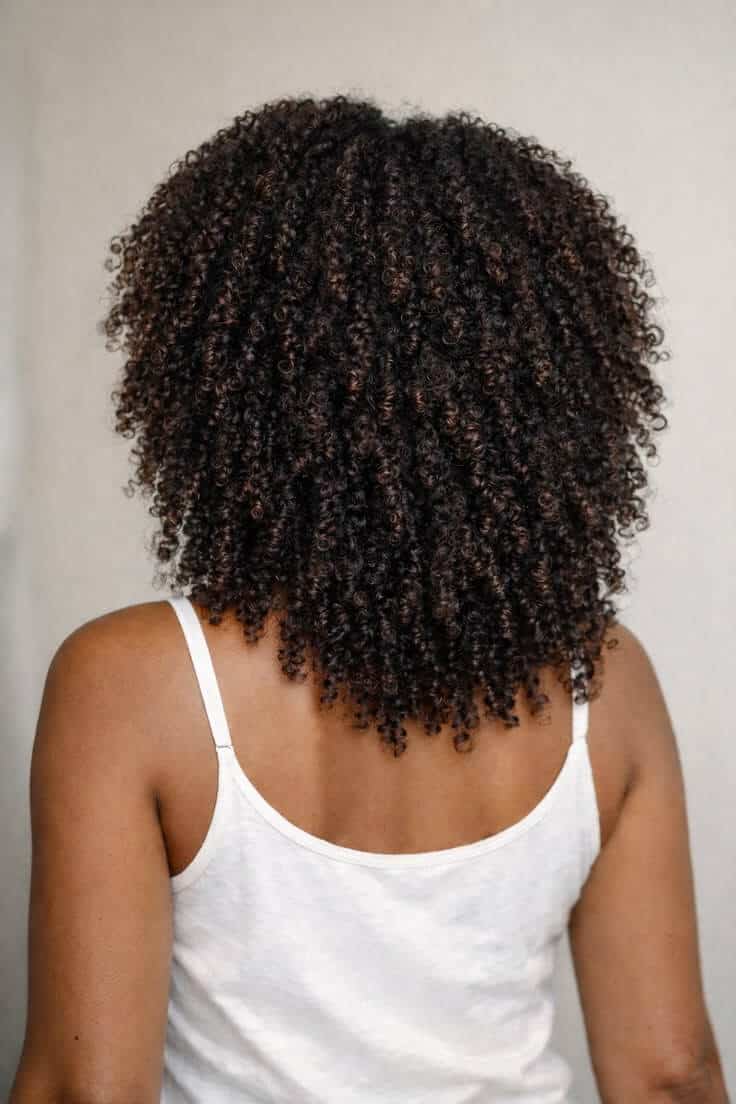
To refresh 4A coils between wash days, mix water with a small amount of leave-in conditioner in a spray bottle (about 3:1 ratio). Lightly mist sections of hair until damp but not soaking, then apply a small amount of gel or cream and scrunch or rake through to redefine coils. You can also spot-treat frizzy areas by applying product only where needed rather than saturating all your hair.
For twist-outs or braid-outs losing definition, re-twist or re-braid a few sections at night, allow them to set, then unravel in the morning and blend with the rest of your hair. This targeted approach extends your style without the time commitment of starting fresh.
Product Buildup Prevention
Product buildup dulls coils, prevents moisture absorption, and makes hair feel heavy or sticky. Prevent buildup by clarifying your hair every two to four weeks with a sulfate-free clarifying shampoo or an apple cider vinegar rinse (mix one part ACV with three parts water, apply to wet hair, let sit for a few minutes, then rinse thoroughly).
Between clarifying sessions, avoid silicone-heavy products unless you’re using sulfate shampoos regularly (silicones require sulfates for complete removal). Water-soluble products wash out more easily and reduce buildup risk. If your coils feel coated, look limp, or won’t absorb moisture even after conditioning, it’s time for a clarifying treatment.
Frequently Asked Questions
How often should I wash 4A hair to maintain healthy coils?
Most people with 4A coils do best washing once per week to once every ten days, depending on scalp oiliness, product usage, and activity level. If you exercise frequently or use heavy styling products, you might need to cleanse more often, while those with very dry scalps can extend to every two weeks. The key is listening to your scalp rather than following a rigid schedule. If your scalp itches, feels dirty, or your hair won’t absorb moisture despite applying products, it’s time to wash. Between washes, you can co-wash (cleanse with conditioner only) to refresh without stripping natural oils.
What’s the difference between styling 4A and 4C hair?
While both are coily textures, 4A coils have a more defined S-pattern that clumps more easily with product, making wash-and-gos and shingling techniques more effective. 4C hair has a tighter, Z-shaped pattern with less natural definition, so it often requires more manipulation (twisting, braiding) to create uniform texture. The styling techniques overlap significantly, but 4A hair generally shows coil definition with less effort, while 4C excels at voluminous, textured styles. Many people have a combination of both textures on different parts of their head.
Can I get a defined wash-and-go on 4A hair without gel?
Technically yes, but it’s significantly harder and the results typically don’t last as long. Gel provides the hold necessary to keep coil clumps intact as they dry and creates the protective cast that prevents frizz. You can try using a strong-hold curl cream or custard alone, but most 4A coils need the film-forming ingredients in gel (like polymers) to maintain definition throughout the day. If you dislike the crunchy gel cast, focus on fully scrunching it out once hair is completely dry, which leaves soft, touchable coils with lasting definition.
How do I combat extreme shrinkage when I want to show length?
Use stretching techniques before or during styling: banding, African threading, braiding or twisting hair while damp and allowing it to dry stretched, or using the blow-dryer tension method. Heavier styling creams and butters also weigh coils down slightly, providing some elongation, though this can sacrifice volume. Keep in mind that shrinkage is actually a sign of healthy elasticity in your coils. If showing length is your goal for a particular style or occasion, heat-free stretching methods protect your hair better than frequent flat-ironing or blow-drying.
Why does my 4A hair feel dry even right after conditioning?
This usually indicates one of three issues: low porosity that prevents moisture absorption, insufficient product application while hair is wet enough, or product buildup creating a barrier. If you have low porosity 4A hair, try using heat (a shower cap under a hooded dryer) during deep conditioning to open the cuticle and allow moisture penetration. Always apply leave-in products to soaking-wet hair, not damp hair, and ensure you’re using enough product for your density. Finally, clarify regularly to remove buildup that blocks moisture from entering the hair shaft.
Conclusion
Your 4A coils are incredibly versatile, capable of everything from tightly defined wash-and-gos to dramatic stretched styles that showcase your length. The hairstyles that work best are those that respect your hair’s need for moisture, work with your natural shrinkage rather than fighting it constantly, and protect your delicate coil structure from excessive manipulation. Whether you prefer the simplicity of a well-executed wash-and-go, the versatility of twist-outs and braid-outs, or the long-term ease of protective styles, success comes down to proper preparation, the right products for your porosity, and techniques that enhance rather than force your natural coil pattern.
Start with just one new technique from this guide: try shingling a small section during your next wash day, experiment with banding overnight, or perfect your pineapple method for better second-day hair. Small improvements in how you work with your 4A texture add up quickly to healthier, more defined, longer-lasting styles. Your coils have incredible potential, and with the right approach, you’ll spend less time fighting your hair and more time enjoying the beautiful, voluminous styles that 4A hair does best.