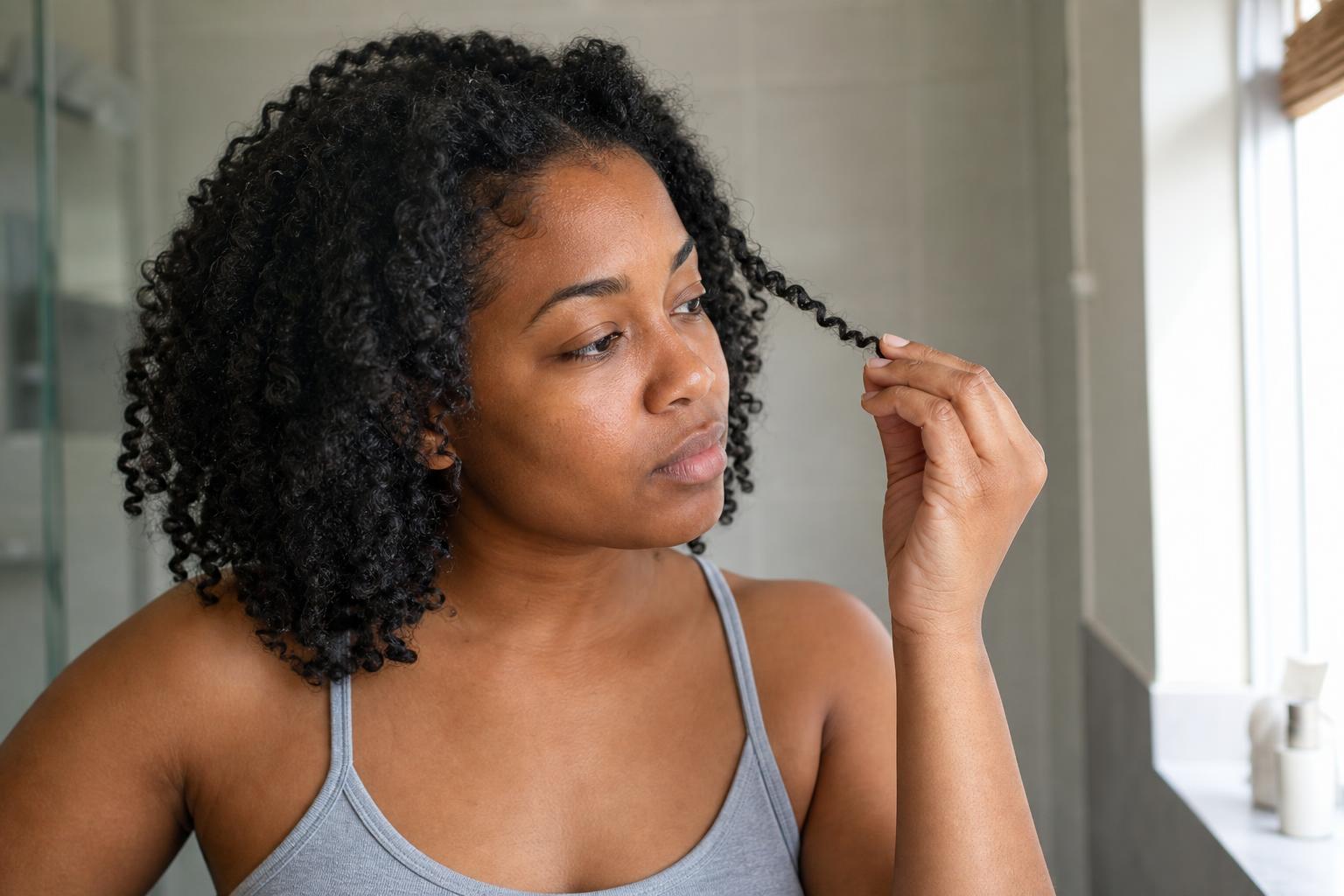
If you have tiny, springy coils that form a distinctive S-pattern when properly moisturized, you likely have type 4A hair. This beautiful coily texture offers incredible versatility, but it also comes with specific care requirements that differ significantly from looser curl patterns. Understanding how to work with your 4A coils rather than against them transforms frustrating hair days into a consistent, manageable routine that celebrates your natural texture.
What Is 4A Hair? Understanding the Coily Curl Pattern
The 4A S-Pattern: Structure and Appearance
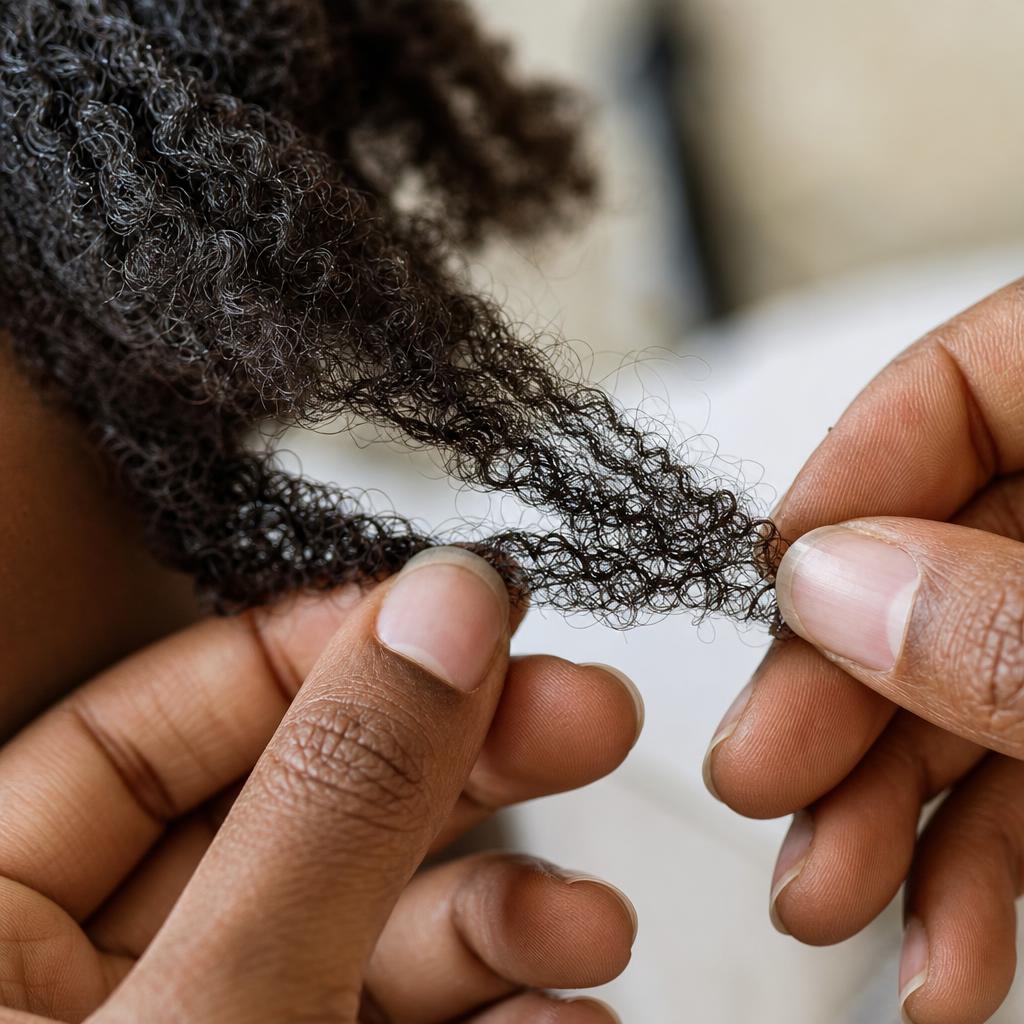
Type 4A hair features tightly coiled curls that form a visible S-pattern when stretched or properly moisturized. Unlike wavy or looser curly patterns, these coils are densely packed and spring back dramatically when pulled. The individual curl circumference typically measures around the width of a crochet needle or slightly larger, creating a texture that’s both delicate and resilient.
When healthy and hydrated, type 4A hair displays a clear curl definition with noticeable separation between coils. The hair naturally grows outward and upward from the scalp rather than hanging down, creating volume and shape. Many people with this texture notice their curls appear more defined when wet and slightly less distinct when completely dry, which is perfectly normal given the hair’s structure.
The defining characteristic is that you can see individual coils without stretching the hair. This sets 4A apart as the most loosely coiled of the type 4 category, though it’s still considerably tighter than understanding your hair’s porosity and curl pattern helps explain why certain products work while others fall flat.
How 4A Differs from 4B and 4C Hair Types
The primary distinction between 4A and its coilier counterparts lies in curl definition and pattern visibility. While 4A forms clear S-shaped coils, 4B hair creates a sharper Z-pattern with less curl definition and more of a cottony texture. The coils in 4B hair bend at more severe angles, creating a denser appearance overall.
Type 4C hair takes density and tightness even further, with minimal visible curl pattern and maximum shrinkage. Where 4A might shrink to 50-75% of its actual length, 4C can shrink up to 75% or more. The curl circumference in 4C is also significantly smaller, sometimes as fine as a pen spring or even tighter.
These differences matter for product selection and styling approaches. While 4A hair often responds well to lightweight mousses and can achieve wash-and-go styles with relative ease, type 4C styling typically requires heavier products and different manipulation techniques. Understanding where your hair falls on this spectrum prevents frustration from following advice meant for different textures.
Natural Shrinkage: Why 4A Hair Appears Shorter Than It Is
Shrinkage is one of the most misunderstood aspects of 4A coily texture. Your hair might measure 10 inches when straightened but appear only 4-5 inches in its natural state. This dramatic difference occurs because each tiny coil acts like a spring, compressing the hair’s true length into a compact formation.
Rather than viewing shrinkage as a problem to solve, it’s actually a sign of healthy hair with good elasticity. Hair that has lost its ability to shrink often indicates damage or protein overload that has compromised the curl structure. The coils contract because they’re functioning exactly as they should.
That said, you can temporarily reduce shrinkage for styling purposes through stretching techniques like banding, African threading, or blow-drying on cool settings with a diffuser attachment. These methods showcase length while still honoring your natural texture, unlike heat-based straightening that can permanently alter curl patterns with repeated use.
The Science Behind 4A Hair Characteristics
Hair Shaft Structure and Porosity in Coily Hair
The structure of 4A hair creates unique care challenges rooted in biology. According to research on hair shaft structure and ethnic variations, coily hair types typically have more cuticle layers that lift more easily, creating higher porosity and increased vulnerability to moisture loss.
Each hair strand consists of the medulla (inner core), cortex (middle layer containing proteins and pigments), and cuticle (protective outer layer of overlapping scales). In 4A hair, the tight coiling pattern means the cuticle scales don’t lie as flat as they do in straighter hair types. This creates more gaps where moisture can escape and where physical damage can occur during manipulation.
Porosity plays a crucial role in how your 4A hair behaves. High porosity hair absorbs moisture quickly but also loses it rapidly, while low porosity hair struggles to absorb moisture initially but retains it better once hydrated. Most 4A hair leans toward higher porosity due to the structural factors mentioned, though genetics and damage history also influence this characteristic.
Why 4A Hair Struggles with Moisture Retention
The geometry of coily hair creates a moisture retention problem that straight hair simply doesn’t face. Sebum, the natural oil produced by your scalp, travels down straight hair shafts easily due to gravity and the smooth pathway. In 4A hair, those tight coils create a obstacle course that sebum struggles to navigate, leaving the hair shaft under-moisturized even when your scalp produces adequate oil.
Additionally, the frequent bends and turns in each coil create weak points where the hair is more susceptible to breaking. When hair is dry and brittle, these vulnerable spots break more easily during manipulation, leading to the breakage that many people with 4A coils experience at the crown, nape, or around the hairline.
Environmental factors compound this challenge. Low humidity pulls moisture from hair, while high humidity can cause the cuticle to swell and lift further. This explains why your hair might behave differently across seasons or when traveling to different climates. Building moisture into your routine through multiple methods addresses this biological reality rather than fighting against it.
Density, Strand Thickness, and Natural Sebum Distribution
Hair density (how many individual strands grow per square inch) and strand thickness (the diameter of each strand) vary independently of curl type. You can have fine 4A hair with high density, or thick 4A strands with low density. These factors determine how much product you need and which styling techniques work best.
Fine, high-density 4A hair often benefits from lighter products applied in thin layers to avoid weighing down the curls. Thick, lower-density 4A hair typically needs richer formulations and more product to achieve adequate coverage and moisture. Misjudging your density and thickness combination leads to either product buildup or insufficient hydration.
The sebum distribution challenge affects density perception too. Because natural oils don’t coat the strands effectively, 4A hair can appear duller and less voluminous than it actually is when dry. Proper moisturizing techniques reveal the hair’s true body and shine by compensating for what the scalp cannot deliver on its own.
Essential Care Routine for Healthy 4A Hair
Cleansing Without Stripping: Shampoo Frequency and Technique
How often you wash 4A hair depends on your lifestyle, product buildup, and scalp condition. Most people with this texture thrive with washing every 7-14 days, though those who exercise heavily or use heavy styling products might need more frequent cleansing. The key is choosing sulfate-free shampoos that clean without stripping essential moisture.
When shampooing, focus primarily on the scalp rather than the length of your hair. Work the product in using gentle circular motions with your fingertips (never nails), allowing the suds to cleanse the hair shaft as you rinse rather than scrubbing the coils vigorously. This approach prevents unnecessary tangling and maintains the integrity of your curl pattern.
Consider pre-poo treatments before shampooing to add an extra moisture buffer. Applying coconut oil, olive oil, or a commercial pre-poo product to dry hair 30 minutes before washing helps prevent the hygral fatigue that occurs when hair swells and contracts too rapidly during the washing process. This simple step significantly reduces breakage for many people with 4A texture.
Deep Conditioning Protocol: Timing and Product Selection
Deep conditioning isn’t optional for 4A hair; it’s foundational maintenance. Plan to deep condition for at least 30 minutes with heat (from a hooded dryer, steamer, or heated cap) every single wash day. The combination of conditioning ingredients and heat allows moisture and proteins to penetrate the hair shaft more effectively than products left to work at room temperature.
Choose deep conditioners based on your hair’s current needs. If your hair feels mushy, stretches excessively, or lacks definition, you need a protein treatment to rebuild structure. If it feels brittle, breaks easily, or appears dull, reach for a moisture-focused deep conditioner with humectants and emollients. Alternating between protein and moisture treatments every other wash often works well for maintaining balance.
The American Academy of Dermatology hair care guidelines emphasize the importance of proper conditioning for textured hair. After rinsing your deep conditioner with cool water to help seal the cuticle, don’t skip the leave-in step that follows.
Daily Moisture Maintenance: Leave-Ins and Refreshing Methods
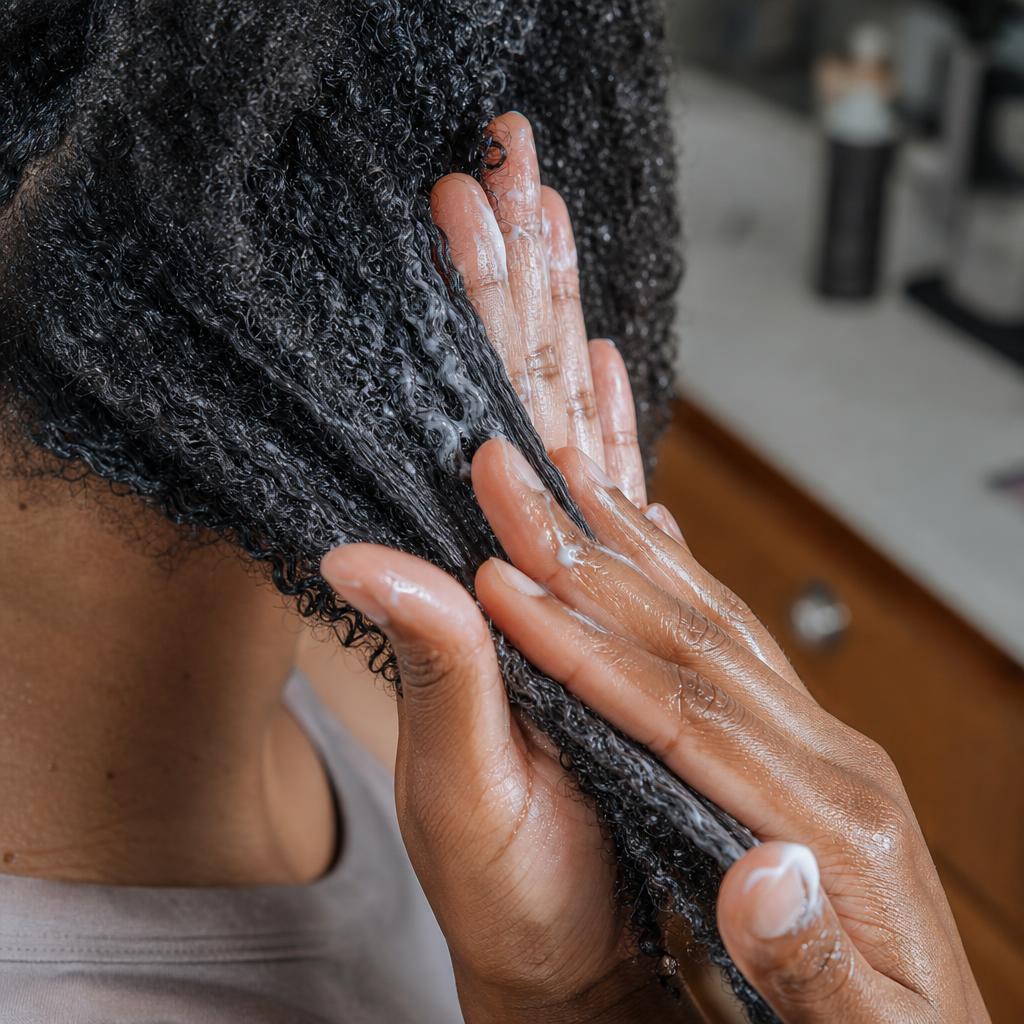
Between wash days, 4A hair needs consistent moisture replenishment. This is where leave-in conditioners become your most valuable tool. Apply a creamy leave-in to damp (not soaking wet) hair after every wash, using a praying-hands method or raking through in sections to ensure even distribution.
For daily refreshing, create a simple spray using water, a few drops of your leave-in conditioner, and a light oil like jojoba or grapeseed in a spray bottle. Spritz sections as needed, scrunch gently to reactivate your styling products, and allow to air dry or use a diffuser on low heat. This maintains definition without requiring a full wash.
Some people prefer the LOC method (liquid, oil, cream) or LCO variation (liquid, cream, oil) for maximum moisture retention. Experiment with layering sequences to discover what your specific 4A coils prefer. The “liquid” can be water or a water-based leave-in, the “oil” seals moisture inside the shaft, and the “cream” provides additional hydration and hold.
Detangling Strategies to Minimize Breakage
Never detangle 4A hair when dry. The friction and stress cause significant breakage that accumulates over time. Instead, work on soaking wet hair with plenty of conditioner or a dedicated detangling product providing slip. This allows the comb or brush to glide through rather than catching and snapping the delicate coils.
Start from the ends and work upward in small sections, holding the hair above where you’re working to prevent pulling on the roots. Wide-tooth combs work well for initial detangling, while some people achieve excellent results detangling with a Denman brush for curl definition after removing major tangles. Your fingers are also valuable tools for gently separating stubborn knots.
Plan your detangling sessions strategically rather than touching your hair constantly throughout the week. Many people with 4A texture detangle thoroughly on wash day, then leave their hair alone in protective styles until the next wash. This low-manipulation approach preserves length and reduces the mechanical damage that comes from repeated combing.
Styling Techniques That Work for 4A Coils
Wash-and-Go Application: Layering Products for Definition
The wash-and-go is a signature style for 4A hair when executed properly. The key is applying products to soaking wet hair in thin, controlled layers rather than dumping a handful of cream on partially dry coils. This technique, called “wet styling,” allows products to distribute evenly and coat each strand from root to tip.
Start with a leave-in conditioner on dripping wet hair, then follow with a curl cream or curl-defining mousse for hold. Some people add a gel as a final layer to combat frizz and lock in the style. Use the shingling method (smoothing products down small sections with your fingers) or the rake-and-shake technique (raking product through, then shaking the section to encourage clumping) for defined, separated coils.
The drying process matters as much as application. Air-drying takes hours but minimizes heat damage. Diffusing on low heat speeds things up while still protecting your curl pattern. Avoid touching your hair as it dries to prevent frizz, and don’t panic if it looks questionable in the intermediate stages. Final results appear once the hair is completely dry.
Twist-Outs and Braid-Outs for Stretched Styles
When you want to showcase length or change your look, twist-outs and braid-outs offer versatile options that work beautifully on 4A texture. These styles stretch the hair while creating a defined, elongated curl pattern different from your natural wash-and-go formation. For more inspiration, explore styling ideas for 4A hair that demonstrate various twist and braid techniques.
Apply your styling products to stretched, damp hair (not soaking wet for these styles), then divide into medium-sized sections. Two-strand twists are the most popular option for 4A hair because they’re relatively quick and create beautiful definition. Smaller twists yield tighter curl patterns, while larger sections produce looser waves. Allow to dry completely before unraveling, ideally overnight or for at least 8 hours.
When taking down your twists or braids, work carefully to separate the coils without creating frizz. Use a light oil on your fingertips and gently pull apart each twist, then fluff at the roots for volume. These styles typically last 3-5 days with proper nighttime maintenance using a satin bonnet or pillowcase.
Protective Styling: Benefits and Best Practices
Protective styles tuck away your ends and minimize daily manipulation, giving your hair a break from styling stress. Box braids, Marley twists, faux locs, and updos all qualify when done correctly. The goal is protecting fragile points from breakage while maintaining scalp health and preventing tension damage.
Before installing any protective style, ensure your hair is clean, deep-conditioned, and properly moisturized. Don’t assume the style itself provides hydration. During wear, continue moisturizing your scalp and any exposed hair using lightweight sprays or oils that won’t cause buildup. Never leave protective styles in beyond their recommended timeframe, typically 6-8 weeks maximum depending on the style.
Watch for signs that a protective style is too tight: bumps along the hairline, tenderness, or headaches within the first 48 hours. These indicate tension that can lead to traction alopecia with repeated wear. A proper protective style should feel comfortable from day one. Don’t hesitate to have overly tight styles redone or removed early to preserve your edges and overall hair health.
Heat Styling Considerations and Safe Temperatures
Heat styling 4A hair requires extra caution due to the texture’s inherent fragility. If you choose to straighten or use hot tools, always apply a heat protectant to every section before applying heat. These products create a barrier that reduces direct heat damage, though they don’t eliminate risk entirely.
Keep temperatures at 350°F (177°C) or below for 4A hair. Higher temperatures might seem necessary for stubborn coils, but they cause cumulative damage that permanently alters your curl pattern. Use a blow dryer with a concentrator attachment on medium heat, keeping it moving constantly rather than focusing heat on one spot. When flat ironing, a single pass per section on properly dried hair is safer than multiple passes.
Space heat styling sessions at least several weeks apart to allow your hair to recover. The more frequently you apply heat, the more you compromise your hair’s ability to revert to its natural pattern and retain moisture. Many people reserve heat for special occasions while relying on heatless stretch methods for everyday styling.
Product Selection Guide for 4A Hair
Ingredients That Support Moisture Retention
Understanding ingredient labels transforms product shopping from guesswork into informed decision-making. For 4A hair, look for humectants like glycerin, honey, aloe vera juice, and panthenol in your leave-ins and styling products. These ingredients attract moisture from the environment into your hair shaft, though they can backfire in extremely dry climates where they may pull moisture out instead.
Emollients smooth the hair cuticle and add slip, making detangling easier while reducing friction damage. Shea butter, mango butter, avocado oil, and jojoba oil all function as excellent emollients for 4A coils. They create a protective coating that helps seal in the moisture provided by humectants.
Proteins strengthen the hair structure but require careful balance. Hydrolyzed wheat protein, silk amino acids, and keratin help rebuild damaged areas and add structure to fine 4A hair. However, too much protein causes brittleness and breakage. If your hair feels hard or straw-like after using a product, it likely contains more protein than your hair currently needs.
Styling Products: Creams, Gels, and Mousses
Creams provide moisture and definition with varying levels of hold depending on their formulation. They work well as the middle layer in a styling routine, offering conditioning benefits along with some curl enhancement. Look for creams with a balance of moisturizing ingredients and light hold agents like polyquaternium compounds.
Gels deliver maximum hold and frizz control, creating the cast or crunch that many people with 4A hair use to preserve their wash-and-go styles for multiple days. Once the gel fully dries, you scrunch out the crunch to reveal soft, defined coils underneath. Flaxseed gel offers a natural option, while commercial gels with aloe and glycerin provide strong hold with added moisture benefits.
Mousses combine lightweight application with decent hold, making them ideal for fine or easily-weighed-down 4A hair. They distribute evenly without heavy buildup and often dry faster than cream-gel combinations. The key is finding a mousse formulated for textured hair rather than straight hair, as the ingredient profiles differ significantly.
What to Avoid: Drying Alcohols and Harsh Sulfates
Not all alcohols damage hair, but short-chain drying alcohols like SD alcohol, denatured alcohol, and isopropyl alcohol can strip moisture from already-dry 4A coils. These often appear in gels and hairsprays for quick-drying properties. Fatty alcohols like cetearyl alcohol and stearyl alcohol are beneficial, providing slip and conditioning, so don’t avoid a product simply because “alcohol” appears on the label.
Sulfates like sodium lauryl sulfate and sodium laureth sulfate cleanse powerfully but too harshly for most 4A hair. They strip natural oils along with dirt and buildup, leaving hair squeaky clean but desperately dry. Gentler alternatives include cocamidopropyl betaine, decyl glucoside, and coco betaine, which clean effectively without the harsh stripping effect.
Mineral oil and petrolatum create debate in the natural hair community. While they seal moisture effectively, they can also block additional moisture from entering if applied to dry hair or used too heavily. If you use these ingredients, apply them as the final step on already-moisturized hair, and clarify regularly to prevent buildup that dulls your coils.
Troubleshooting Common 4A Hair Challenges
Combating Dryness and Brittleness
Persistent dryness despite regular moisturizing often indicates porosity issues or product selection problems. High porosity 4A hair loses moisture as quickly as you add it, requiring sealants like heavy butters or oils to trap hydration inside the shaft. Try the LOC method with an emphasis on the oil layer to create a more effective moisture barrier.
Low porosity 4A hair struggles to absorb moisture initially, leading to product sitting on top of the hair rather than penetrating. Heat helps by temporarily lifting the cuticle, so use a heated cap during deep conditioning sessions and focus on lighter, water-based products that won’t build up. Clarifying monthly removes the barrier that prevents moisture absorption.
Brittleness specifically signals protein overload or severe moisture depletion. If your hair breaks with minimal tension and feels hard or straw-like, eliminate protein-containing products temporarily and focus exclusively on moisture for 2-3 weeks. If brittleness persists, the damage may require a trim to remove irreparably damaged ends that can’t be saved with products alone.
Managing Tangles and Single-Strand Knots
Single-strand knots, affectionately called fairy knots, plague 4A hair because the coils literally tie themselves into knots. While you can’t completely prevent them, you can minimize their formation by keeping hair stretched in protective styles, maintaining excellent moisture levels (dry hair tangles more easily), and trimming regularly to remove damaged ends that knot more readily.
For existing tangles, patience prevents breakage better than force. Saturate the tangled section with conditioner or a dedicated detangler, then gently work from the very ends upward using your fingers or a wide-tooth comb. If a knot resists, add more product and let it sit for a few minutes before trying again. Sometimes strategic trimming of a stubborn knot preserves more length than aggressive detangling that breaks multiple strands.
Nighttime maintenance drastically impacts tangling. Sleeping on cotton pillowcases creates friction that roughs up the cuticle and encourages knots. Switch to satin or silk pillowcases, or protect your hair in a satin bonnet or scarf. Pineappling (gathering hair loosely at the crown) or loose braiding before bed keeps coils organized and separated overnight.
Dealing with Uneven Curl Definition
Different curl patterns across your head are completely normal. Your nape might have a looser pattern than your crown, or one side might coil tighter than the other due to differences in density, porosity, or even how you sleep. Rather than fighting these variations, adjust your product application to meet each section’s needs.
Sections with less definition often need more product, different application techniques, or additional manipulation to encourage clumping. Try the shingling method in stubborn areas while using faster techniques like rake-and-shake in sections that define easily. Some people find that finger-coiling loose sections while leaving tighter coils alone creates more uniform overall appearance.
Heat damage causes uneven definition that won’t respond to product adjustments. If certain sections won’t curl no matter what you try, particularly around the areas where heat is typically applied first (front, crown), you may be dealing with heat-altered hair. These sections require protein treatments, intensive moisture, and time to gradually improve, though severely damaged hair may need trimming as it grows out.
Breakage Prevention at Fragile Points
The hairline, nape, and crown are breakage hotspots for 4A hair due to increased manipulation, tension, and environmental exposure. Edges thin from tight hairstyles, constant smoothing for sleek looks, or harsh edge control products containing drying alcohols. Give your edges regular breaks from tension and switch to conditioning edge products rather than gels.
Crown breakage often results from mechanical damage during detangling or from rubbing against headrests and pillows. This area typically has finer, more fragile hair that requires gentler handling. When detangling, work this section last after your products have had maximum time to provide slip, and use extra caution with your manipulation techniques.
Nape breakage stems from friction against collars, scarves, and hooded jackets, plus this area’s tendency toward dryness. Keep the nape moisturized even when wearing protective styles, and tuck it into satin-lined caps during winter rather than leaving it exposed to rough fabrics. Regular protein treatments specifically on fragile points rebuild strength without overloading the entire head with protein.
Frequently Asked Questions About 4A Hair
How often should I wash my 4A hair?
Most people with 4A hair thrive washing every 7-14 days, though individual factors like exercise frequency, product buildup, and scalp condition influence the ideal schedule. Weekly washing works well if you use heavy products or exercise daily, while biweekly washing suits those who use lighter products and don’t experience scalp issues. Listen to your hair and scalp rather than following a rigid schedule.
Can 4A hair grow long?
Absolutely. 4A hair grows at the same rate as other textures (approximately half an inch per month on average), but retention is the challenge. The coily structure creates natural weak points where breakage occurs more easily than in straighter hair. With proper moisture, gentle handling, protective styling, and regular trims to remove damaged ends, 4A hair can grow to impressive lengths. The key is retaining the length you grow rather than breaking it off through poor care practices.
Why does my 4A hair feel crunchy after styling?
Crunchiness typically comes from gel or mousse creating a protective cast around your curls. This is intentional and beneficial for preserving definition. Once your hair is completely dry (which can take 6-12 hours depending on density and drying method), scrunch your hair with a light oil on your hands to “scrunch out the crunch.” This breaks the gel cast, revealing soft, defined coils underneath while maintaining the hold and frizz control the product provided.
Is it better to detangle 4A hair wet or dry?
Always detangle 4A hair when wet and coated with a conditioner or detangling product that provides slip. Dry detangling causes significant breakage because the hair lacks the elasticity and smoothness needed to safely separate tangled coils. The only exception is if you’re carefully finger-detangling very gently before washing, but even then, most hair professionals recommend saving thorough detangling for when hair is saturated with product.
Do I need to use different products in summer versus winter?
Seasonal adjustments often improve results with 4A hair. In humid summer months, you might need stronger-hold gels and less glycerin to combat frizz, while dry winter air typically requires heavier moisturizers and more frequent deep conditioning to prevent brittleness. Some people switch from lighter lotions to heavier creams and butters in winter, then reverse in summer when those products might feel too heavy in the heat.
How can I reduce shrinkage without using heat?
Several heatless methods stretch 4A hair to showcase length. Banding involves wrapping small elastic bands down the length of sections to gently stretch as hair dries. African threading uses thread wound around sections for similar results. Twist-outs and braid-outs naturally elongate the hair while creating definition. Stretching on damp rather than soaking wet hair also reduces shrinkage. These methods maintain hair health while providing the stretched look many people prefer.
Conclusion
Caring for type 4A curls successfully comes down to understanding and working with your hair’s natural structure rather than fighting against it. The moisture retention challenges, shrinkage, and delicate coil formation aren’t flaws to fix but characteristics to embrace through targeted techniques. When you build a routine around consistent hydration, gentle manipulation, and strategic product selection, your 4A coils transform from frustratingly unpredictable to reliably beautiful.
Start with one immediate change: if you’re not deep conditioning weekly with heat, make that your priority this week. This single adjustment addresses the moisture deficit at the root of most 4A hair struggles and creates the foundation for everything else to work better. Your coils are capable of incredible definition, versatility, and growth when you give them the specific care they need to thrive.


