Beeswax shows up in dozens of curly hair products, promising hold, shine, and flyaway control. But this heavy, occlusive ingredient isn’t right for everyone, and when used incorrectly, it can lead to stubborn buildup that dulls your curls and resists regular washing. Understanding when beeswax helps and when it hinders makes the difference between glossy, defined coils and lifeless, product-clogged hair.
What Beeswax Does in Curly Hair Products
Beeswax is a natural wax produced by honeybees, valued in hair care for its ability to create a protective film on the hair shaft. Unlike lightweight oils or water-based gels, beeswax delivers intense hold and a distinctive sheen that can last for days. It’s neither water-soluble nor easily absorbed, which explains both its benefits and its drawbacks for curly textures.
How Beeswax Seals and Protects the Hair Shaft
When applied to hair, beeswax creates an occlusive barrier that locks moisture inside the strand while shielding it from environmental humidity. This sealing action works especially well on low-porosity hair that already resists moisture absorption, because the primary goal becomes trapping whatever hydration you’ve already introduced through your leave-in conditioner or cream.
Research on beeswax’s occlusive properties in cosmetics confirms that it forms a semi-permeable film that reduces transepidermal water loss. On hair, this translates to longer-lasting style retention and protection against frizz-inducing humidity. The wax physically smooths down the cuticle layer, creating a more uniform surface that reflects light and appears shinier.
Hold, Shine, and Frizz Control Properties
Beeswax delivers firm hold without the crunch that many gels create. It binds hair strands together through mechanical adhesion rather than chemical polymerization, which means your curls stay flexible rather than stiff. This makes it particularly useful for sleek edge control, twist-outs, and styles that need to hold their shape through multiple days without remolding.
The shine beeswax provides is distinctly glossy, sometimes approaching an almost waxy sheen. For type 4A curls and coarser textures that naturally appear matte, this reflective quality can enhance the appearance of healthy hair. However, the same shine can look greasy or heavy on finer curl patterns that already have more natural luster.
Why It Shows Up in Styling Balms and Pomades
Manufacturers incorporate beeswax into edge controls, pomades, styling balms, and finishing sticks because it offers unmatched hold and water resistance. According to beeswax in hair care formulations, it also acts as an emulsifier and thickening agent, giving products their signature firm texture that softens when warmed between your palms.
Unlike many synthetic hold ingredients, beeswax is shelf-stable and doesn’t require preservatives to maintain its effectiveness. This natural stability makes it popular in clean beauty formulations, though “natural” doesn’t automatically mean “appropriate for all hair types.”
Which Curl Types Can Handle Beeswax (and Which Struggle)
Not all curls respond to beeswax the same way. Your hair’s diameter, porosity, and natural texture pattern determine whether this ingredient will enhance your routine or create frustrating buildup.
Compatibility with Coarse, Low-Porosity Hair (Types 4A–4C)
Coarse, tightly coiled hair with low to normal porosity tolerates beeswax better than any other curl category. These hair types benefit from the intense moisture seal because their cuticle structure naturally resists hydration. The firm hold helps maintain intricate styles like bantu knots, two-strand twists, and protective updos that need to last several days.
For 4C coils in particular, a small amount of beeswax on edges and ends can prevent the rapid moisture loss that leads to dryness and breakage. The key is using it as a final sealing step after applying water-based moisturizers, not as a primary styling product throughout your entire head. If you have hair with low porosity, you’ll want to ensure your hair is thoroughly moisturized before applying any wax-based product.
Why Fine Wavy Hair (2A–2B) Often Gets Weighed Down
Fine-textured wavy hair struggles with beeswax because the strand diameter can’t support the weight of the occlusive film. What creates beautiful definition on a thick coil becomes a limp, greasy coating on a delicate wave. Type 2A hair especially lacks the natural resilience to bounce back once coated with heavy wax.
Beyond weight concerns, fine hair shows buildup faster. Since there are typically more individual strands per square inch on finer hair, you’re applying proportionally more product to cover the same area. This concentration of wax creates visible residue, dulls shine rather than enhancing it, and makes hair feel sticky or tacky to the touch.
The Middle Ground: Types 2C–3C Considerations
Medium-textured curls from 2C through 3C occupy a nuanced zone where beeswax works for some people and fails for others. Variables like individual strand thickness, density, and porosity matter more than curl pattern alone.
If you fall into this range, your best approach is targeted application rather than all-over use. Reserve beeswax products for specific problem areas like frizzy ends, unruly baby hairs, or pieces that refuse to clump with the rest of your curl pattern. A rice-grain-sized amount warmed and smoothed over just the problem zones delivers control without the all-over heaviness that causes issues.
Common Problems: Buildup, Dullness, and Clarifying Needs
Even when beeswax works initially, cumulative use creates challenges that require specific solutions. Understanding the warning signs helps you adjust your routine before minor buildup becomes a major problem.
Signs Your Hair Has Too Much Wax Residue
Wax buildup announces itself through several telltale symptoms. Your hair feels coated or slick even when dry, as if there’s an invisible layer between your fingers and the actual strand. Curls lose their bounce and definition, hanging limply instead of springing back when stretched. Water beads up on the surface during washing rather than absorbing quickly, and your regular shampoo produces little to no lather.
Another clear indicator is color change. Hair with significant wax accumulation often appears darker or duller than usual because the coating interferes with light reflection. If your curls look matte when they’re usually glossy, or if they seem perpetually dirty despite regular washing, accumulated wax is a likely culprit.
How Beeswax Interacts with Other Product Layers
Beeswax’s occlusive nature means it blocks absorption of any product applied after it. If you layer a wax-based pomade over your hair, then try to add a water-based gel or cream on top, those lighter products sit on the wax film rather than penetrating to the hair shaft. This creates a slippery, pilled texture that never fully dries.
The interaction becomes especially problematic in multi-day styling routines. When you refresh curls on day two or three by adding more leave-in or curl cream, those products can’t reach your hair if yesterday’s wax is still coating it. Instead of revitalized curls, you get sticky buildup that attracts lint and loses all definition.
Effective Clarifying Methods That Won’t Strip Moisture
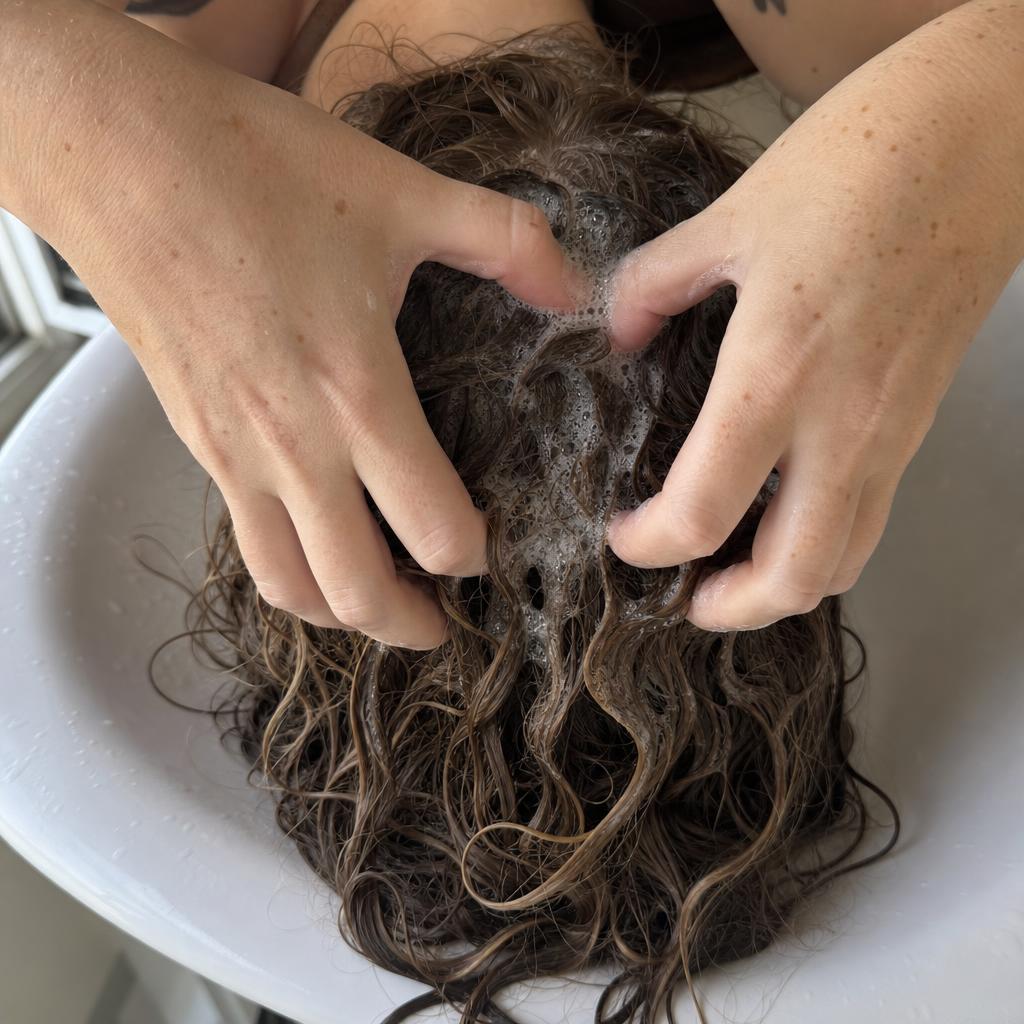
Removing beeswax requires more than your regular curly hair shampoo. The most effective approach is a two-step clarifying process: start with an oil-based cleanser or a pre-shampoo oil treatment that dissolves the wax, followed by a sulfate-containing clarifying shampoo that removes both the oil and wax together.
For the oil phase, warm coconut oil, jojoba oil, or even a lightweight oil blend between your palms and work it through dry hair, concentrating on areas with the most buildup. Let it sit for 10 to 15 minutes to break down the wax. Then apply your clarifying shampoo directly to the oiled hair without wetting it first. The oil helps the surfactants in the shampoo grab onto the wax molecules. After emulsifying for a minute, add water and work into a lather. You’ll likely need a second shampoo to feel fully clean.
Follow this intensive clarification with a deep conditioning treatment to replace any moisture lost during the process. Plan to clarify after every third or fourth use of wax-based products to prevent accumulation.
How to Use Beeswax Products Without Overdoing It
Strategic application makes the difference between beeswax enhancing your style and overwhelming your hair. Less is genuinely more with this concentrated ingredient.
Application Techniques for Edges, Ends, and Flyaways
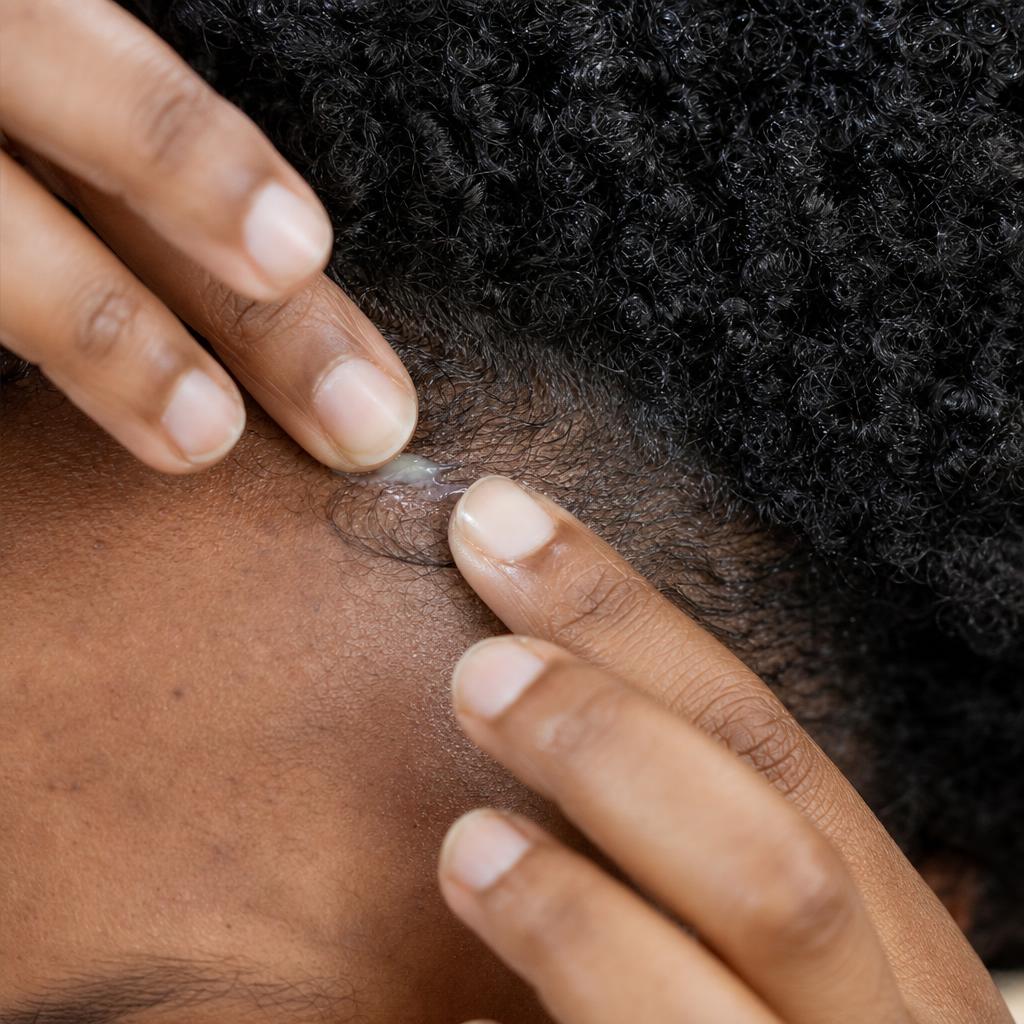
For edge control, use the smallest amount possible. Scrape a thin layer from your container with your fingernail rather than scooping with a finger, which grabs too much product. Warm it between your index finger and thumb until it becomes pliable, then apply to edges using light, pressing motions rather than rubbing back and forth.
When addressing flyaways or frizzy ends, the technique changes slightly. Take that same minimal amount, rub it thoroughly between all your palms until your hands feel barely tacky, then smooth over the problem areas. This distribution method ensures you’re applying a microscopic layer that controls without coating.
Never start at your roots with wax-based products unless you’re deliberately slicking down edges. Begin at mid-length or lower, applying only to the surface of your curl clumps, not saturating through to the interior of your style.
Diluting Heavy Wax Formulas with Lighter Products
If you own a wax-based product that works well but feels too heavy, you can modify its consistency by mixing it with lighter formulas. Combine a small amount of your beeswax pomade with a water-based gel or curl mousse in your palm before applying. This creates a custom blend with less concentration of wax per application.
Another dilution method involves mixing the wax product with aloe vera gel or even plain water. While beeswax itself isn’t water-soluble, most commercial products contain emulsifiers that allow them to blend temporarily with water-based ingredients. You’ll need to work quickly before the mixture separates, but this technique gives you more spreadable coverage with less product intensity.
Frequency Guidelines and Wash-Day Timing
Limit beeswax use to once or twice per week maximum, even if you’re only applying it to small sections. On multi-day styles, resist the urge to reapply more wax during refreshes. Instead, use water-based products for mid-week touch-ups and save the wax for fresh wash-and-go or twist-out starts.
Timing matters within your wash day sequence as well. Beeswax should always be your absolute final step, applied only after all other styling products have been distributed and your curls are completely defined. Think of it as a finishing touch rather than a foundation product. If you’re following a standard routine with your leave-in product, curl cream, and gel, the wax comes after all three have been applied and your hair is beginning to dry.
Alternatives to Pure Beeswax for Curly Hair
If beeswax creates problems for your hair type or lifestyle, several alternatives deliver similar benefits with fewer drawbacks.
Water-Soluble Wax Blends and Emulsified Formulas
Modern formulations combine beeswax with emulsifiers that make the final product easier to wash out. These emulsified waxes give you the hold and shine of traditional wax with better removability during regular shampooing. Look for products listing beeswax as a secondary ingredient rather than the first or second component, which indicates a lighter wax concentration in a water-dispersible base.
Some brands use synthetic waxes like PVP (polyvinylpyrrolidone) that dissolve in water while still providing firm hold. These alternatives work especially well for people who need strong edge control but struggle with buildup from natural waxes.
Butter-Based and Oil-Based Sealants
Shea butter, mango butter, and cocoa butter offer sealing properties without beeswax’s extreme occlusion. These plant-based alternatives feel richer and more emollient, making them better choices for dry hair that needs both hold and moisture. They’re softer at room temperature, spread more easily, and wash out with less aggressive clarifying.
Oil-based serums and pomades made from castor oil, argan oil, or jojoba oil provide shine and light hold without creating the same film that waxes do. While they don’t offer the same level of extreme hold for edges or slicked styles, they work well for everyday frizz control and adding gloss to finished styles.
When to Choose Gel or Mousse Instead
For all-over styling rather than targeted smoothing, water-based gels and mousses provide hold without buildup concerns. Strong-hold gels deliver comparable definition and frizz control to wax-based products but rinse out completely with regular shampooing. Using mousse instead of wax gives you volume and bounce that heavy waxes can suppress.
If you primarily use beeswax products for multi-day style longevity, consider that a well-formulated gel with film-forming polymers can offer the same lasting power. Modern curl gels create flexible cast that protects your curl pattern through several days of wear without the accumulation issues that come with wax.
Frequently Asked Questions About Beeswax for Curly Hair
Is beeswax bad for curly hair?
Beeswax isn’t inherently bad, but it’s unsuitable for many curl types. Fine and medium-textured hair often gets weighed down and experiences stubborn buildup, while coarse, low-porosity hair typically handles it well. The ingredient itself isn’t harmful, but incorrect use for your specific hair type leads to dullness, reduced moisture absorption, and the need for frequent clarifying treatments.
Can you use beeswax on wet curly hair?
Applying beeswax to soaking-wet hair prevents proper product distribution and creates uneven coating. Your hair should be damp to barely dry when you apply wax-based products, and they should always be your final styling step. Water and beeswax don’t mix well, so wet application leads to pilling, white residue, and product that never fully sets into your style.
How often should you wash out beeswax buildup?
Most people need a clarifying wash after every three to four uses of beeswax products, even with minimal application. If you use wax-based pomades or edge controls daily, plan to clarify weekly. Between clarifying sessions, use a sulfate-free shampoo that contains some cleansing power rather than relying only on co-washing, which can’t break down wax accumulation.
Does beeswax help with frizz control?
Yes, beeswax controls frizz by creating a physical barrier that seals the cuticle and blocks humidity. It works particularly well on flyaways and baby hairs around the hairline. However, this frizz control comes at the cost of flexibility and easy removal. For everyday frizz management rather than special occasions or sleek styles, lighter alternatives like oil serums or anti-humidity gels provide similar benefits without buildup concerns.
Can beeswax cause hair breakage?
Beeswax itself doesn’t directly cause breakage, but the buildup it creates can lead to problems that result in damage. When wax accumulates on hair, it blocks moisture from penetrating the strand, eventually leading to dryness and brittleness. Additionally, the aggressive clarifying required to remove stubborn wax buildup can strip hair of natural oils if done too frequently or harshly, weakening strands over time.
Conclusion
Beeswax earns its place in curly hair care for specific applications, especially for coarse textures that need serious hold and moisture sealing. But treating it as an everyday staple rather than a targeted tool leads to the buildup, dullness, and frustration that give this ingredient its mixed reputation. Your curl type, porosity, and styling goals should determine whether beeswax helps or hinders your routine.
Start by assessing your hair’s response to heavy products in general. If your curls bounce back after using thick creams and butters, a small amount of beeswax for edge control or twist-out definition might work beautifully. If your hair deflates under anything heavier than a light gel, skip the wax entirely and explore the water-soluble alternatives that deliver hold without the commitment. When you do use beeswax, apply it sparingly to specific zones rather than coating your entire head, and keep a clarifying routine in your back pocket for the inevitable moment when your hair needs a fresh start. Master these boundaries, and beeswax becomes a useful specialty ingredient rather than a source of constant product buildup.