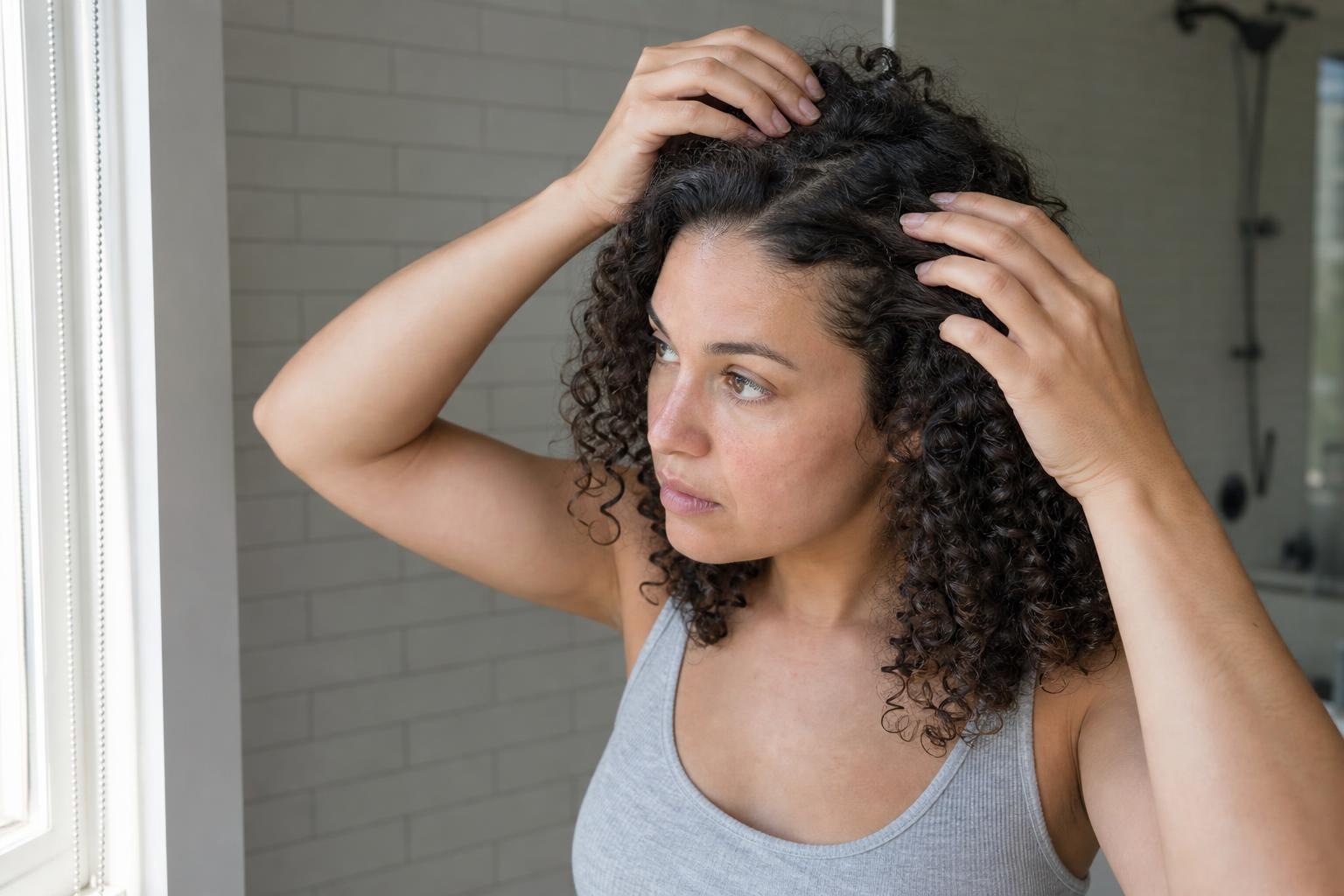
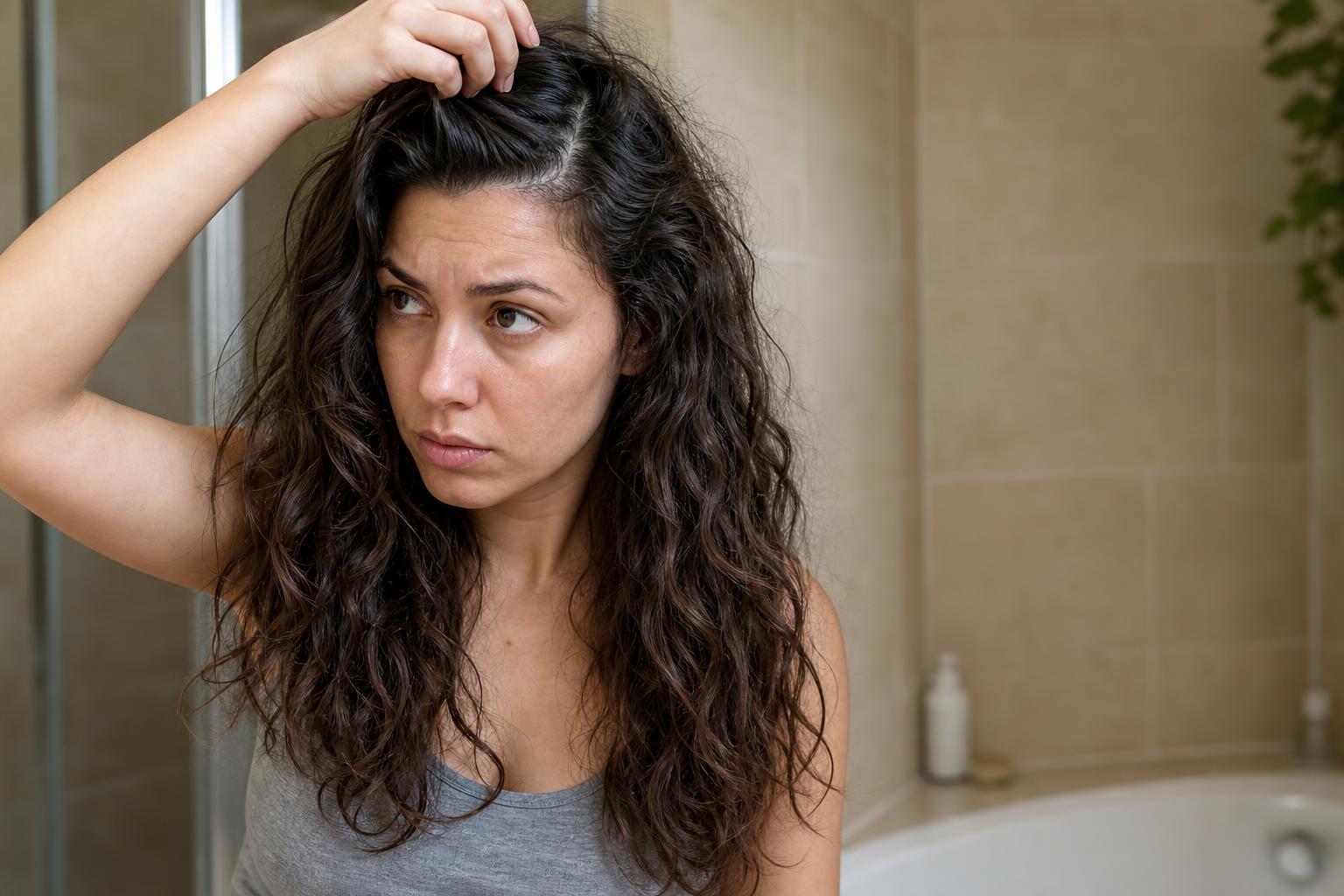
If water seems to sit on top of your hair rather than sinking in, or if products leave a filmy residue no matter how little you use, you likely have low porosity hair. This structural characteristic affects how your strands absorb and retain moisture, and understanding it changes everything about how you should care for your curls, waves, or coils.
What Is Low Porosity Hair?
Low porosity hair is defined by tightly bound cuticle layers that lie flat against the hair shaft, creating a protective barrier that resists moisture penetration. Think of your hair strand like a shingled roof: when those shingles are tightly sealed with minimal gaps, water runs off instead of soaking through. This cuticle arrangement is a genetic characteristic that determines how easily water, conditioners, and styling products can enter and exit the hair shaft.
The Science Behind Cuticle Structure
The hair cuticle consists of overlapping protein scales that surround the inner cortex. According to hair structure and cuticle science research, low porosity hair has minimal cuticle lifting, meaning these protective scales remain tightly closed. This creates a smooth surface that reflects light beautifully but also blocks moisture from entering the cortex where it’s needed for elasticity and strength.
The cuticle’s impermeability isn’t a flaw but a protective mechanism. Hair with low porosity is often healthier structurally because those sealed cuticles prevent damage from environmental stressors, chemical treatments, and mechanical manipulation. However, this same protection creates unique care challenges when you’re trying to introduce beneficial moisture and nutrients. Understanding how to work with rather than against this structure is essential, and choosing lightweight leave-in conditioners that won’t sit on the surface becomes critical.
How Porosity Differs from Curl Type
Many people confuse porosity with curl pattern, but they’re completely separate characteristics. You can have type 2C hair care needs with low porosity, or 4A coily hair that’s also low porosity. Curl type describes the shape of your strand (wavy, curly, or coily), while porosity describes how the cuticle layer behaves regarding moisture absorption.
This distinction matters because a 3B curl and a 2B wave could both have low porosity and therefore need similar product formulations, even though their styling approaches differ dramatically. The tightness of your curl doesn’t predict your porosity level. In fact, some naturally coily hair is low porosity and requires completely different products than high porosity coily hair, despite identical curl patterns.
The Float Test and Other Identification Methods
The most common at-home test involves placing a clean strand of shed hair in a glass of room-temperature water. Low porosity hair typically floats on the surface or takes several minutes to sink because the tightly sealed cuticles resist water absorption. While not scientifically rigorous, this porosity identification method provides a useful starting point.
However, observation during your regular routine offers more reliable clues. Notice how your hair behaves when wet: does water bead up on the surface initially? Does your hair take hours to air dry? When you apply conditioner, does it seem to sit on top rather than absorbing? These real-world indicators often tell you more than a single float test.

Signs You Have Low Porosity Hair
Recognizing low porosity characteristics helps you adjust your routine before frustration sets in. These signs appear consistently across different curl types and textures, making them reliable indicators.
Water Beads Up Instead of Absorbing
When you spray water or wet your hair in the shower, low porosity strands initially repel moisture. You’ll see droplets forming on the surface, similar to water on a freshly waxed car. This happens because those tightly sealed cuticles don’t have openings for water molecules to slip through easily. Eventually, with enough saturation time and manipulation, the hair does get wet, but that initial resistance is your first major clue.
Products Sit on the Surface
If you apply a generous amount of conditioner or styling cream only to find a white, filmy residue coating your hair, you’re experiencing the hallmark frustration of low porosity hair. The product simply can’t penetrate the cuticle barrier, so it builds up externally. This happens even with high-quality products formulated for curly hair, and it’s not about the product being “bad” but rather incompatible with your porosity level.
You might notice this especially with heavier butters, thick creams, and oil-based products. What works beautifully for your friend with high porosity hair leaves your strands looking greasy and feeling coated within hours.
Slow Drying Time and Persistent Heaviness
Low porosity hair can take four to six hours (or longer) to air dry completely because moisture that does enter the hair shaft becomes trapped by those same tight cuticles. The water can’t escape efficiently, leaving your hair feeling heavy and damp long after washing. This extended drying period increases frizz risk as your cuticles eventually lift from prolonged wetness.
Buildup Happens Quickly
Because products don’t absorb well, they accumulate rapidly on the hair shaft. You might find that your hair looks dull or feels waxy after just a few days, even when you’re using minimal product. This buildup blocks further moisture absorption, creating a vicious cycle where your hair seems perpetually thirsty yet rejects hydration.
Common Challenges and Why They Happen
Understanding why low porosity hair behaves as it does helps you troubleshoot problems and adjust your approach strategically.
The Moisture Penetration Paradox
Here’s the frustrating reality: low porosity hair often appears dry and feels rough, yet it actively resists the moisture it desperately needs. This happens because the cortex (inner hair shaft) lacks adequate hydration, while the cuticle (outer layer) blocks moisture entry. Your hair is simultaneously moisture-starved and moisture-resistant, which explains why standard hydrating treatments often fail.
The solution isn’t more product or heavier conditioners, but rather creating temporary cuticle openings through heat or pH adjustment, then using lightweight, water-based formulations that can actually slip through those narrow gaps.
Product Buildup and Dullness
Silicones, heavy oils, and thick butters accumulate on low porosity hair because they can’t penetrate the cuticle layer. This coating reflects light poorly compared to clean, product-free hair, creating a dull appearance despite your best moisturizing efforts. The buildup also weighs down curl patterns, making waves look limp and coils lose definition.
Regular use of clarifying shampoos becomes non-negotiable for low porosity hair, not as an occasional reset but as a consistent maintenance step every 1-2 weeks.
Protein Sensitivity and Breakage
Many people with low porosity hair experience protein overload without realizing it. Because their cuticles are already tightly sealed and structurally strong, additional protein treatments create excessive rigidity. The hair becomes brittle, loses elasticity, and breaks with minimal manipulation. This differs from high porosity hair, which often benefits from regular protein because damaged, lifted cuticles need that structural support.
If your hair feels straw-like, snaps easily when stretched, or becomes unmanageably tangled after protein treatments, you’re likely protein-sensitive due to your low porosity structure.
Heat and Treatment Resistance
Deep conditioning treatments, hot oil applications, and even color processing work less effectively on low porosity hair because those beneficial ingredients can’t penetrate the sealed cuticle. You might sit under a heating cap for 30 minutes with a premium deep conditioner and see minimal improvement, not because the product is inadequate but because it never reached the cortex where repair happens.

How to Care for Low Porosity Hair
Effective low porosity care requires a complete routine overhaul, focusing on cuticle penetration rather than surface coating.
Choose Lightweight, Water-Based Products
Heavy creams, butters, and oils will sabotage your results. Instead, look for liquid leave-ins, lightweight gels, and water-based stylers that contain humectants (glycerin, aloe vera, honey) in the first few ingredients. These formulations have smaller molecular structures that can slip between tightly closed cuticle scales more easily than thick, oil-based products.
When selecting the right leave-in product, check the ingredient list: water should be first, and heavy oils like castor, coconut, or shea butter should appear toward the end or not at all. Your hair needs moisture (water), not oil coating.
Use Heat to Open the Cuticle
Heat temporarily lifts cuticle scales, creating openings for moisture and treatments to penetrate. Apply your deep conditioner, then sit under a hooded dryer, use a thermal heat cap, or steam your hair for 15-30 minutes. This step transforms mediocre conditioning sessions into genuinely effective treatments because you’re working with your hair’s structure rather than fighting it.
Even a simple warm water rinse before applying conditioner helps. The heat from your shower steam begins opening those cuticles, making your regular conditioner work better without requiring special equipment.
Clarify Regularly to Prevent Buildup
Low porosity hair needs clarifying shampoo every 1-2 weeks, not just when buildup becomes visible. This removes the surface accumulation that blocks moisture absorption, essentially resetting your hair to its cleanest state. Between clarifying sessions, use gentle cleansing shampoos that remove daily dirt without stripping.
Some people benefit from apple cider vinegar rinses as a gentler buildup prevention method. The acidic pH helps smooth cuticles while dissolving product residue, offering a middle ground between daily sulfate-free washing and intense clarifying.
Apply Products to Soaking Wet Hair
This technique maximizes moisture absorption while minimizing product use. When your hair is dripping wet, the water itself helps carry lightweight products into the hair shaft. The dilution also prevents heavy application that would otherwise sit on the surface.
Apply your leave-in or styler in the shower or immediately after, while your hair is still saturated. Use praying hands or raking motions to distribute products evenly, then scrunch gently. You’ll use less product and achieve better absorption than applying to damp or towel-dried hair.
The LOC vs LCO Method for Low Porosity
The traditional LOC method (Liquid, Oil, Cream) often fails for low porosity hair because applying oil second traps moisture out rather than in. The LCO method (Liquid, Cream, Oil) works better, but many low porosity individuals find that skipping heavy creams and oils entirely yields the best results.
Instead, try a simplified approach: lightweight liquid leave-in on soaking wet hair, followed by a water-based gel for hold. This “LC” method (Liquid, lightweight gel as “Cream”) provides moisture and definition without the coating that oils create on sealed cuticles.
Best Products and Ingredients for Low Porosity Hair
Ingredient knowledge matters more than brand names when you have low porosity hair. Understanding what to seek and what to avoid prevents expensive trial-and-error frustration.
Humectants That Actually Penetrate
Glycerin, aloe vera juice, honey, and panthenol (provitamin B5) are your best friends. These humectants attract moisture from the air and have smaller molecular weights that can slip between closed cuticle scales more effectively than larger molecules. Look for them in the top five ingredients of your leave-ins and stylers.
However, glycerin works best in moderate humidity (40-60%). In very dry climates, it may pull moisture from your hair into the air, and in very humid conditions, it can cause excessive frizz. Adjust your humectant use based on your local weather patterns.
Lightweight Oils and Butters to Avoid
Contrary to popular curly-girl wisdom, heavy oils like coconut, castor, and olive oil typically cause more problems than they solve for low porosity hair. These oils have large molecular structures that sit on the cuticle surface, creating a barrier that prevents water absorption. If you must use oil, choose lightweight options like grapeseed, argan, or sweet almond oil, and use them sparingly as the final step after all other products.
Similarly, avoid thick butters (shea, mango, cocoa) in your main styling products. Save these for protective styling or as sealants on already-moisturized hair, never as your primary source of hydration.
Recommended Shampoos and Conditioners
For regular washing, choose sulfate-free shampoos that still provide adequate cleansing without excessive gentleness (which can leave low porosity hair under-cleansed). For clarifying, a shampoo with sulfates once every 1-2 weeks effectively removes buildup without damaging healthy, sealed cuticles.
Select conditioners with a thin, liquid consistency rather than thick, creamy formulas. The texture often indicates the weight: runny conditioners with slip are more likely to rinse clean without leaving residue. Avoid conditioners listing heavy oils or silicones in the first five ingredients.
Styling Products That Won’t Weigh Down
Water-based gels and lightweight mousses work exceptionally well for low porosity hair. They provide hold and definition without the coating that creams create. Look for gels containing aloe vera juice or flaxseed as primary ingredients rather than oil-heavy formulations.
Avoid marketing terms like “moisture-rich,” “ultra-hydrating,” or “intensive repair” on styling products, as these usually indicate heavy formulations designed for high porosity hair. Instead, seek “lightweight,” “volumizing,” or “humidity-resistant” products that won’t overload your sealed cuticles.
Styling Techniques That Work
How you apply products and manipulate your hair matters as much as which products you choose when working with low porosity hair.
Steam Treatments and Warm Deep Conditioning
Investing in a hair steamer or thermal conditioning cap transforms deep conditioning from disappointing to genuinely restorative. The heat and moisture combination temporarily opens cuticles, allowing treatments to penetrate where they’re needed. Steam for 20-30 minutes with a lightweight, protein-free deep conditioner once weekly or biweekly.
If you don’t have specialized equipment, create a DIY steam treatment by applying conditioner, covering with a plastic cap, then wrapping a warm, damp towel around your head. Reheat the towel every 10 minutes to maintain temperature. This method isn’t as effective as a steamer but still provides significant cuticle-opening benefits.
Diffusing and Air-Drying Strategies
The extended drying time of low porosity hair makes diffusing on medium heat an attractive option. The warmth helps evaporate trapped moisture more quickly while maintaining curl definition. Use a low airflow setting to minimize frizz, and hover the diffuser rather than pressing it directly against your hair.
If you prefer air-drying, apply products to soaking wet hair, then gently scrunch out excess water with a microfiber towel or cotton t-shirt. Don’t touch your hair again until it’s completely dry (yes, this might take 6+ hours). Early manipulation causes frizz because low porosity cuticles lift and roughen when repeatedly disturbed while damp.
Managing Frizz Without Heavy Creams
Frizz in low porosity hair usually stems from one of three causes: product buildup preventing proper moisture absorption, extended drying time causing cuticle lifting, or humidity affecting improperly sealed styles. The solution isn’t adding more cream but rather addressing the root cause.
Use lightweight serums or diluted aloe vera gel to smooth frizz without adding weight. Apply to dry hair in small amounts, focusing on the outer layer rather than saturating all your hair. A little goes a long way when your cuticles are already sealed.
Refresh Methods That Don’t Build Up
Traditional refresh sprays containing leave-in conditioner add layers of product that low porosity hair can’t absorb, leading to rapid buildup. Instead, refresh with plain water or a heavily diluted leave-in mixture (1 part product to 3-4 parts water). Spray lightly, scrunch, and go.
Some low porosity individuals find that water-only refreshing works best, especially if they’re clarifying regularly. The water reactivates any gel cast remaining from wash day without introducing new products that will sit on the surface. Experiment with your refresh ratio to find the lightest effective mixture for your hair.
Frequently Asked Questions
Can low porosity hair change over time?
Yes, porosity can shift due to chemical treatments (color, relaxers), heat damage, or environmental factors. Healthy virgin hair maintains its genetic porosity level, but damage typically increases porosity by lifting and damaging cuticle scales. If your previously low porosity hair suddenly absorbs products easily or dries quickly, you may have transitioned to medium or high porosity due to damage.
Should I avoid protein completely if I have low porosity hair?
Not necessarily, but you need far less protein than high porosity hair. Use protein treatments sparingly (every 4-6 weeks or less) and choose hydrolyzed proteins that have smaller molecular weights for better penetration. Always follow protein with a moisture-focused deep conditioning session. If your hair feels stiff, breaks easily, or tangles excessively after protein, reduce frequency or eliminate it entirely.
Why does my low porosity hair get greasy so fast?
This happens because products sit on your cuticle surface rather than absorbing, creating a coating that looks and feels oily even when your hair lacks internal moisture. Switch to water-based, lightweight products and reduce application amounts. Many people with low porosity hair need surprisingly little product compared to what’s typically recommended for curly hair.
Will baking soda or ACV help with low porosity hair?
Apple cider vinegar rinses can help by removing buildup and temporarily opening cuticles through pH adjustment, making them beneficial for low porosity hair when used correctly (diluted, 1-2 tablespoons per cup of water, applied after shampooing). Baking soda is too alkaline and harsh for regular use, though some people use it occasionally as a clarifying treatment. Proceed cautiously, as excessive pH manipulation can damage even healthy, low porosity cuticles.
Can I use coconut oil on low porosity hair?
While coconut oil is popular in curly hair care, its large molecular structure makes it particularly problematic for low porosity hair. It sits on the cuticle surface, blocking moisture rather than providing it. If you love coconut oil, use it as a pre-shampoo treatment that you’ll wash out completely, never as a leave-in or styling product. Most people with low porosity hair see better results avoiding it entirely.
How often should I clarify low porosity hair?
Every 1-2 weeks for most people, though this depends on product usage and local water hardness. If you use minimal products or live in an area with soft water, you might extend to every 3 weeks. Pay attention to how your hair feels: if it seems coated, looks dull, or stops responding to your usual products, it’s time to clarify regardless of your schedule.
Conclusion
Low porosity hair isn’t difficult hair, it just requires a fundamentally different approach than the heavy creams and rich oils often recommended for curly textures. The key insight is this: your tightly sealed cuticles need moisture penetration strategies, not surface coating. Heat assistance, lightweight formulations, and regular clarifying work together to give your hair the hydration it needs while respecting its structural resistance to absorption.
Start with one simple change today: switch to applying your products on soaking wet hair instead of damp or towel-dried hair, and reduce your product amount by half. This single adjustment often produces immediate improvements in curl definition and reduces that frustrating coated feeling. Your low porosity hair can be beautifully hydrated, defined, and healthy once you work with its unique structure rather than against it.