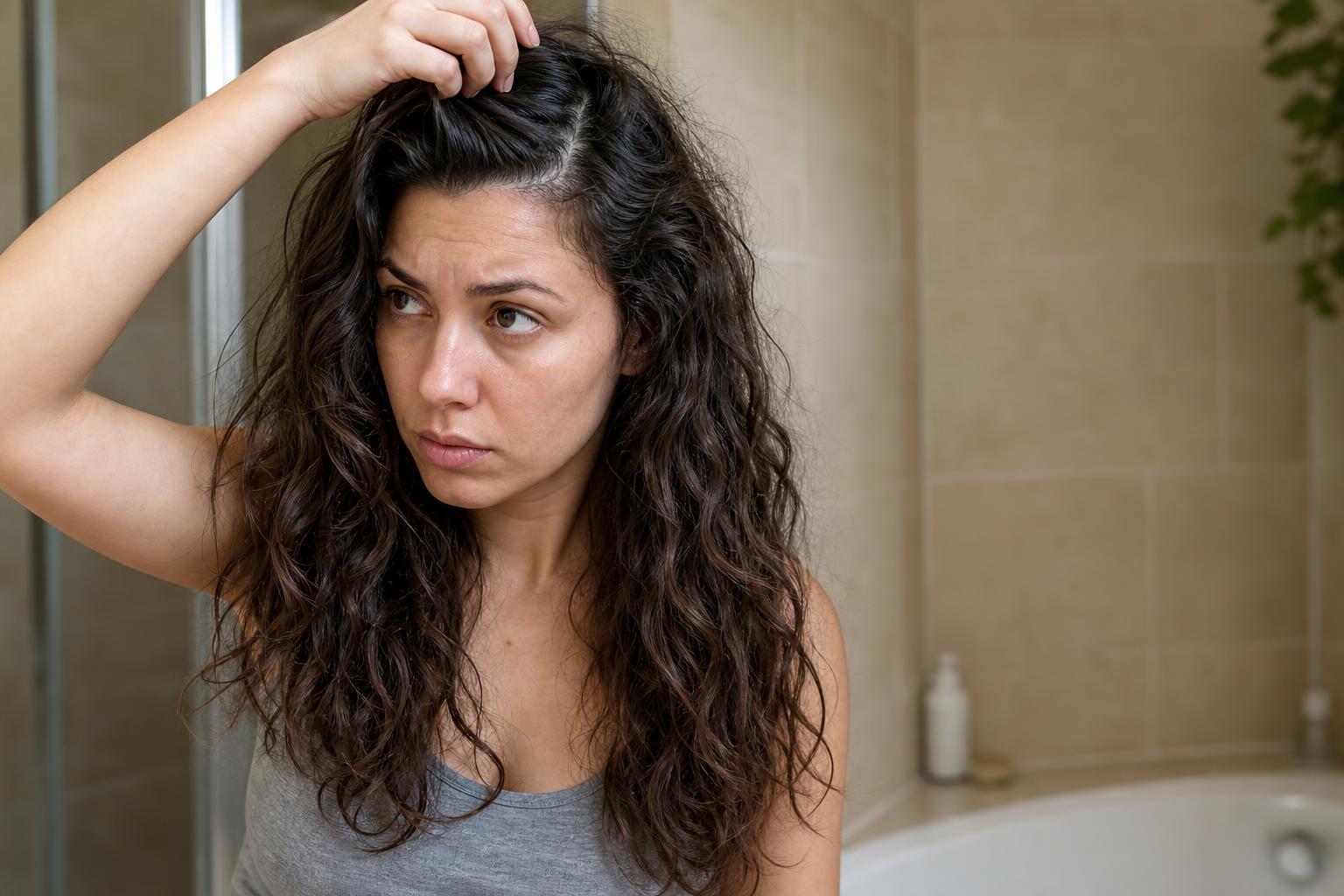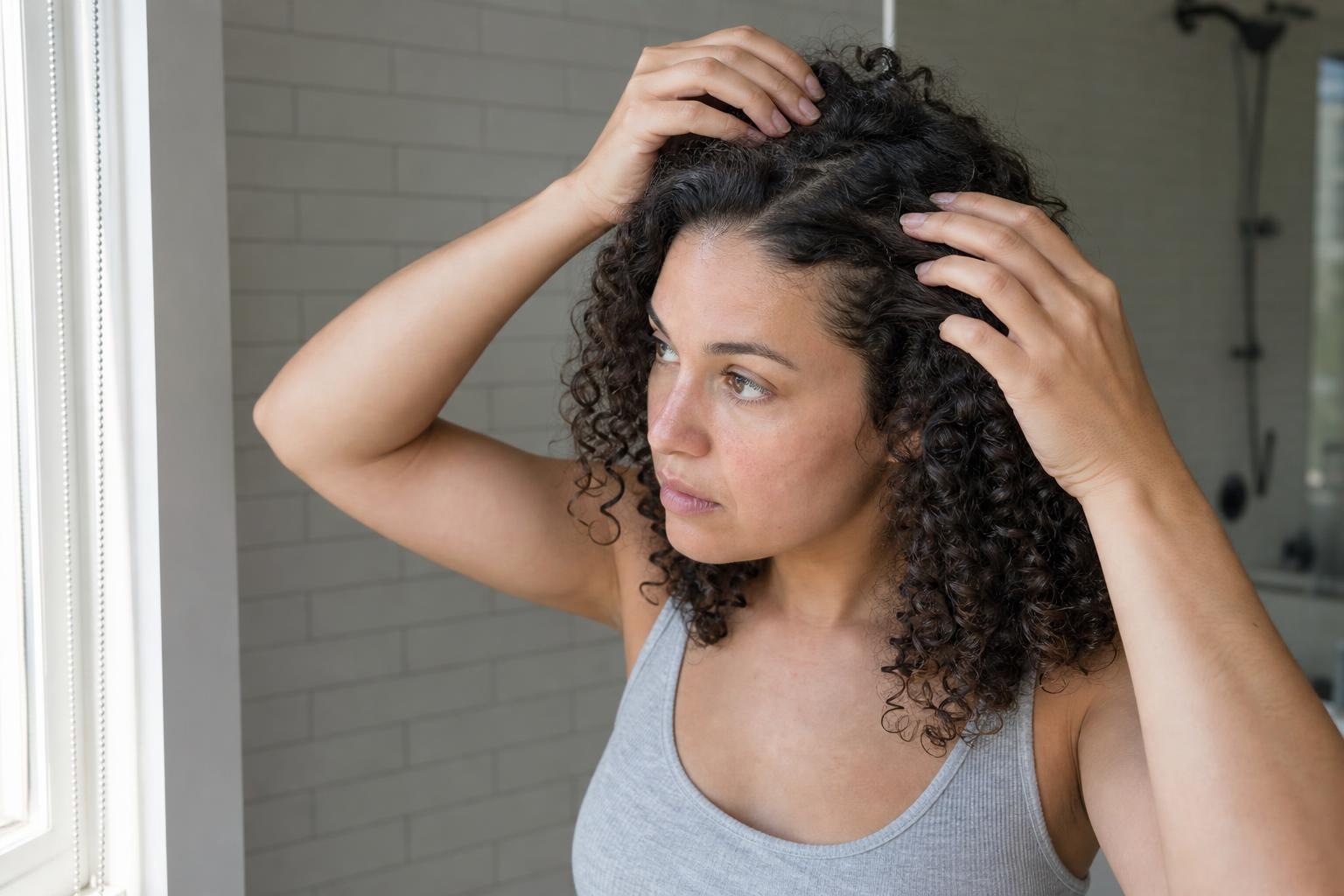
Glycolic acid has become one of the buzziest ingredients in scalp care, promising to clear buildup and reset your hair routine. But for curly, coily, and textured hair types, this powerful chemical exfoliant requires a more careful approach than what you’ll find in mainstream skincare advice. Here’s exactly what glycolic acid does to your hair and scalp, when it helps, when it hurts, and how to use it without sabotaging your curl pattern or moisture balance.
What Glycolic Acid Is and How It Works on Hair
The Science Behind Alpha Hydroxy Acids
Glycolic acid belongs to the alpha hydroxy acid (AHA) family, a group of naturally derived acids known for their exfoliating properties. According to alpha hydroxy acids in dermatology research, these compounds work by loosening the bonds between dead cells on the skin’s surface, allowing them to shed more easily. On your scalp, glycolic acid performs a similar function by dissolving the “glue” that holds dead skin cells, sebum, and product residue together.
When applied to the scalp, glycolic acid breaks down the protein structures in this buildup without the mechanical friction of scrubbing. This chemical exfoliation reaches into follicle openings and between scalp scales in ways that physical scrubs simply cannot. The acid also has a mild humectant effect, meaning it can temporarily draw moisture to the surface layer of skin, though this benefit is less relevant when you’re rinsing the product out shortly after application.
For people dealing with excess oil and product residue, glycolic acid offers a reset that goes deeper than most clarifying shampoos. The exfoliation process removes not just surface grime but also the thin film of oxidized oils and mineral deposits that can make hair feel coated even after washing.
How Glycolic Acid Differs from Physical Scalp Scrubs
Physical scrubs use granules, sugar, salt, or silica beads to manually slough away buildup. These products work through friction and are generally easier to control in terms of where they touch your hair. The main limitation is that they only address surface-level buildup and can miss the follicle openings where sebum and dead cells accumulate.
Glycolic acid, by contrast, is a liquid solution that contacts everything it touches, including your hair shaft. This presents both an advantage and a risk. The advantage is thorough scalp exfoliation without scrubbing motions that can tangle curly hair. The risk is that if the solution runs down your lengths or you apply it beyond the scalp, it can disrupt the hair cuticle and potentially cause protein loss from the hair shaft itself.
Physical scrubs are generally gentler on the hair fiber but less effective for stubborn scalp conditions. Glycolic acid is more aggressive but potentially more transformative for scalps with chronic flaking, buildup, or clogged follicles.
Why Molecule Size Matters for Penetration
Glycolic acid has the smallest molecular weight of all the alpha hydroxy acids, which makes it the most penetrating. This characteristic is exactly why it’s so effective at breaking through layered buildup, but it’s also why it requires more caution with textured hair types. Smaller molecules penetrate deeper and faster, which means glycolic acid can affect the scalp tissue beneath the surface layer and potentially reach the hair cuticle structure more readily than larger AHAs like lactic acid.
For hair that resists product absorption, this penetration depth can be beneficial when used exclusively on the scalp, helping to clear the follicle environment. However, that same penetration becomes problematic when the acid contacts the hair shaft directly, particularly on chemically treated or high-porosity hair where the cuticle is already compromised.
Benefits of Glycolic Acid for Curly and Textured Hair
Removing Product Buildup and Hard Water Deposits
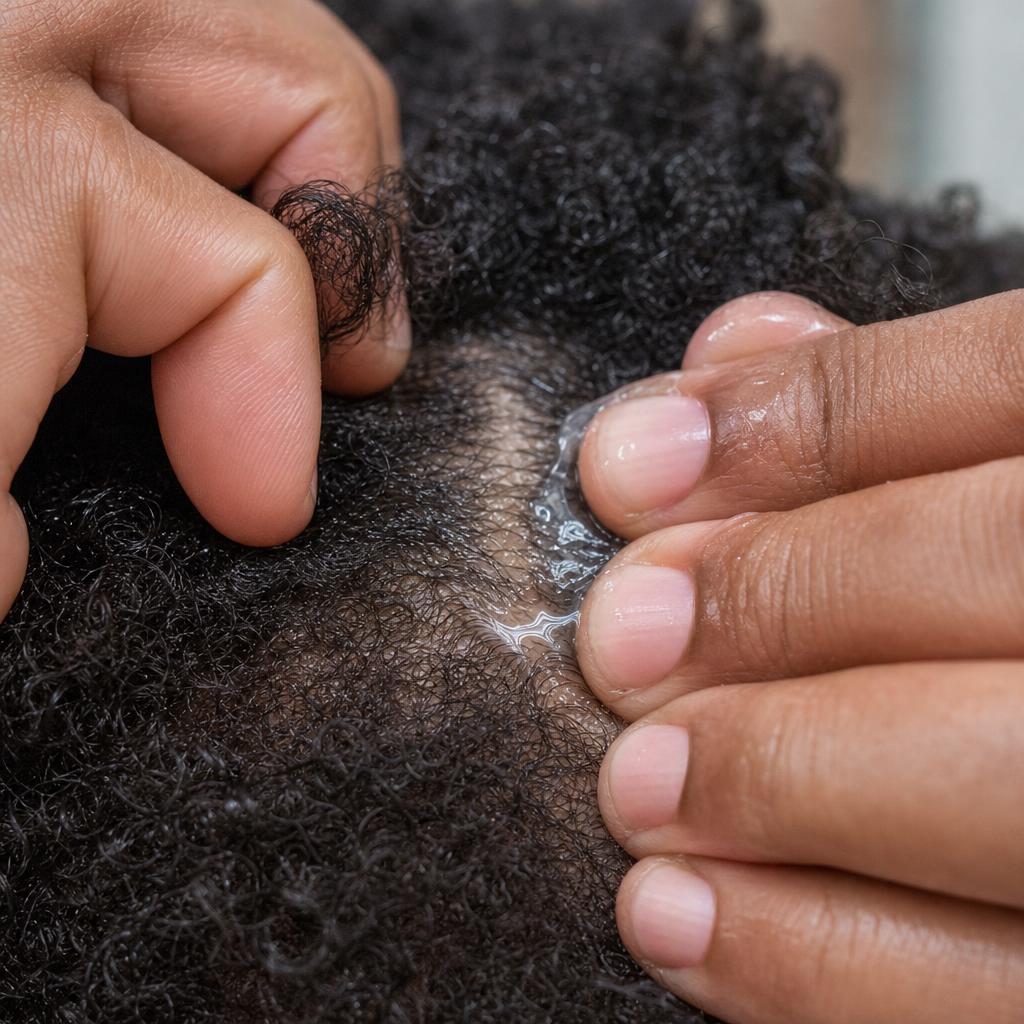
Curly hair routines often involve layering leave-in conditioners, gels, creams, and oils, and that buildup accumulates faster than most people realize. Glycolic acid excels at dissolving the film left by silicones, butters, and polyquats that resist regular shampooing. It’s particularly effective against the white or yellowish residue that develops when products oxidize on the scalp over time.
Hard water creates its own problems by depositing calcium and magnesium minerals onto the hair and scalp. These minerals bind with soap and product ingredients to form a stubborn coating that makes hair feel stiff, dull, or waxy. Glycolic acid’s chelating properties help break down these mineral deposits more effectively than many clarifying shampoos, especially at concentrations above 5%.
Unclogging Hair Follicles and Promoting Scalp Health
A healthy hair growth environment requires clean follicle openings. When sebum, dead cells, and product residue plug these openings, they can contribute to inflammation, itching, and potentially slower hair growth. The American Academy of Dermatology on scalp health emphasizes the importance of maintaining a clean scalp environment for optimal hair health.
Glycolic acid treatments can clear these blockages without the harsh detergents found in some clarifying formulas. This is especially valuable for people with dense, type 4a coils or tighter textures where it’s difficult to thoroughly cleanse the scalp through shampooing alone. Regular exfoliation can reduce the small bumps, tenderness, or inflammation that develop when follicles stay chronically clogged.
Improving Product Absorption After Clarification
One of the most immediate benefits users report after a glycolic acid treatment is how much better their regular products perform. When you remove the coating of old products and minerals, fresh conditioner, oils, and stylers can actually penetrate rather than sitting on top of existing buildup.
This improved absorption is particularly noticeable for people with low porosity hair who struggle to get moisture into their strands. While glycolic acid itself doesn’t change your hair’s porosity, clearing the buildup that blocks absorption creates a temporary window where products work more effectively. Many users find they can use lighter products or smaller amounts after a thorough glycolic acid reset.
Addressing Flaking and Scalp Irritation
Scalp flaking in curly-haired individuals often stems from a combination of product buildup, dead skin cell accumulation, and sensitivity rather than true dandruff. Glycolic acid addresses the first two factors directly by removing the layers where flakes originate. For buildup-related flaking, users often see improvement within one to two treatments.
The exfoliation also helps with the mild inflammation that can develop from managing oily scalp buildup. By clearing follicle-clogging debris and allowing the scalp to “breathe,” glycolic acid can reduce the tenderness, itching, and redness that sometimes accompany heavy product use. However, it’s not appropriate for active scalp conditions like seborrheic dermatitis or psoriasis without professional guidance.
Potential Risks and Why Curly Hair Needs Extra Care
Protein Loss and Cuticle Disruption Concerns
The most significant risk of glycolic acid for curly hair is unintended protein degradation. Hair is made of keratin protein, and while glycolic acid primarily targets the bonds between dead cells and buildup, it can also weaken the protein structure of the hair shaft itself when contact is prolonged or concentration is too high.
This protein loss manifests as increased porosity, weakened elasticity, and a rougher cuticle texture. You might notice your hair feels more fragile, stretches too easily when wet, or tangles more readily after using glycolic acid. These effects are cumulative, meaning occasional mishaps may not cause immediate disaster, but regular misuse can progressively damage your curl pattern.
Cuticle disruption is the other concern. Glycolic acid can lift the cuticle scales that protect the hair’s inner cortex. While very mild lifting can temporarily improve product penetration, excessive lifting leads to moisture loss, frizz, and breakage. Textured hair already tends toward dryness and cuticle fragility, so adding a chemical exfoliant without proper precautions compounds existing vulnerability.
Over-Exfoliation and Moisture Stripping
Your scalp needs some natural oil to maintain its protective barrier. Over-exfoliating with glycolic acid strips away not just buildup but also the sebum and natural moisturizing factors that keep the scalp healthy. This can trigger a rebound effect where your scalp overproduces oil to compensate, creating a cycle of excessive oiliness followed by harsh clarification.
Signs of over-exfoliation include scalp tightness, increased sensitivity to products that didn’t previously irritate you, and paradoxically worse flaking as your scalp sheds more cells in response to being stripped. For people with naturally dry scalps, even monthly glycolic acid use may be too frequent.
pH Levels and Curl Pattern Integrity
Glycolic acid formulations typically have a pH between 3.0 and 4.0, which is significantly more acidic than your scalp’s natural pH of around 4.5-5.5. While this acidity is necessary for the exfoliating action, it also means the product can temporarily disrupt your scalp’s acid mantle and your hair’s pH-dependent curl pattern.
Curly hair relies on optimal pH to maintain its hydrogen bond structure. When pH drops too low or the acid exposure is too prolonged, these bonds can rearrange, leading to temporarily altered curl definition or texture. Most people’s hair returns to normal after the next regular wash, but repeated pH disruption can cause lasting changes to curl pattern integrity, especially in finer or more fragile textures like type 2c waves.
Who Should Avoid Glycolic Acid Treatments
Glycolic acid isn’t appropriate for everyone. You should avoid it if you have open wounds, cuts, or active scalp conditions like psoriasis, eczema, or seborrheic dermatitis without consulting a dermatologist first. The acid can severely irritate compromised skin and worsen inflammation.
People with chemically treated hair (color, relaxers, keratin treatments) should also proceed with extreme caution or skip glycolic acid entirely. These treatments already compromise the hair’s protein structure, and adding a protein-dissolving acid increases the risk of significant damage. If you have very fine, fragile, or high-porosity hair, gentler alternatives like ACV rinses for buildup removal may serve you better.
How to Use Glycolic Acid Safely on Wavy to Coily Hair
Choosing the Right Concentration (2-10%)
For hair and scalp use, glycolic acid concentrations typically range from 2% to 10%, with most commercial scalp treatments sitting around 5-8%. If you’re new to glycolic acid, start at the lower end of this range (2-5%) to assess your tolerance. Even within this range, individual response varies dramatically based on scalp sensitivity and existing hair condition.
Products formulated specifically for the scalp are safer than repurposing facial peels or toners, which may contain concentrations up to 30% intended for brief skin contact only. Professional-strength treatments should only be used under guidance from a trichologist or dermatologist, as concentrations above 10% carry significant risk of chemical burns and permanent hair damage.
Application Techniques for Scalp vs. Hair Shaft
The cardinal rule of glycolic acid for curly hair is to keep it on your scalp only. Section your hair carefully, apply the product directly to the scalp using an applicator bottle with a narrow tip or a cotton pad, and avoid saturating the roots to the point where the solution runs down your hair lengths.
Work in small sections, parting the hair and applying to exposed scalp only. Some people find it helpful to apply to dry hair before showering so they can see exactly where the product goes. Others prefer damp hair because it’s easier to section, but this dilutes the concentration slightly. If you have very dense or thick hair, you may need to create more sections to reach all scalp areas without over-applying.
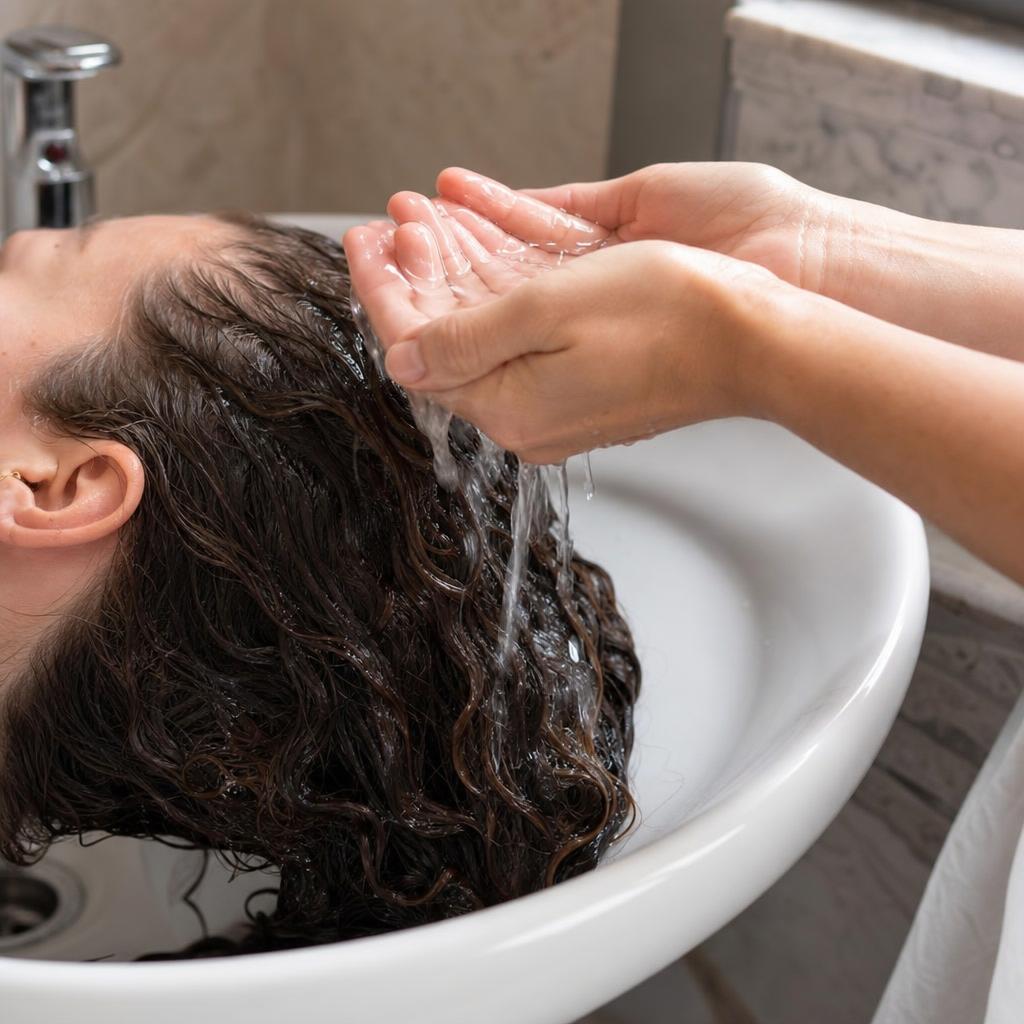
Never use glycolic acid as an all-over hair rinse or soak your lengths in it. If you’re using a pre-shampoo scalp treatment, consider clipping your lengths up and away from your scalp during the treatment period to prevent accidental contact. Rinse thoroughly with lukewarm water before proceeding with your regular sulfate-free cleansing options.
Recommended Frequency by Curl Type
Wavy and looser curl types (2a-3a) with more scalp oil production might tolerate glycolic acid every two to four weeks. These textures generally handle clarification better and recover moisture balance more quickly than tighter coils.
Tighter curl patterns (3b-4c) should be more conservative, starting with once every six to eight weeks. Tightly coiled hair patterns retain less scalp oil along the hair shaft and tend toward dryness, so aggressive scalp treatments can tip the balance toward brittleness and breakage. Some people with very dry scalps or minimal product use may only need glycolic acid quarterly or even less frequently.
Your buildup level matters more than your curl type in some ways. If you use heavy products daily, layer multiple stylers, or live in an area with very hard water, you might need more frequent treatments than someone with a minimal routine. Pay attention to how your scalp feels and looks rather than following a rigid schedule.
What to Do Before and After Treatment
Before applying glycolic acid, clarify your expectations. This is a reset treatment, not a regular maintenance step. In the days leading up to treatment, avoid other potentially irritating scalp products like tea tree oil, peppermint, or medicated shampoos. Don’t use glycolic acid on the same day as any other chemical treatment.
After applying the treatment to your scalp, follow the product’s recommended contact time strictly, which is typically 3-10 minutes. Longer is not better. Rinse thoroughly with cool to lukewarm water (hot water can increase scalp sensitivity), then proceed with a gentle, moisturizing shampoo and a rich conditioner.
In the week following treatment, focus on repairing and rehydrating. Use protein-free deep conditioners, incorporate extra moisture through leave-ins, and avoid heat styling if possible. Your scalp may be more sensitive to products that didn’t previously irritate you, so stick with your gentlest, most basic products during the recovery period. Many people notice that their scalp feels slightly tight or tingly for 24-48 hours after treatment, which is normal as long as there’s no burning, blistering, or severe redness.
Glycolic Acid vs. Other Scalp Exfoliants for Curly Hair
Salicylic Acid: Better for Oil Control
Salicylic acid, a beta hydroxy acid (BHA), is oil-soluble rather than water-soluble like glycolic acid. This makes it better suited for cutting through sebum and oily buildup. If your primary concern is an excessively oily scalp rather than product or mineral deposits, salicylic acid may be the more targeted choice.
Salicylic acid is also less penetrating than glycolic acid due to its larger molecular size, which means it’s generally gentler on the hair shaft when accidental contact occurs. It has anti-inflammatory properties that can benefit scalps prone to irritation. However, it’s not as effective at removing hard water deposits or heavy product buildup as glycolic acid, so your choice should match your specific scalp concern.
Apple Cider Vinegar Rinses: The Gentler Alternative
For many curly-haired people, gentler clarifying alternatives like apple cider vinegar provide sufficient buildup removal without the risks associated with glycolic acid. ACV rinses work through mild acidity (pH around 3.0 when diluted) to remove mineral deposits and product film while adding shine.
The advantage of ACV is that it’s far less likely to cause protein damage or over-exfoliation. The disadvantage is that it’s significantly weaker for stubborn buildup. If you’re dealing with months of accumulated silicones or severe hard water coating, ACV may not cut through effectively. Many people find ACV works well for maintenance between occasional glycolic acid resets.
Clarifying Shampoos: When They’re Enough
Traditional clarifying shampoos use stronger surfactants to strip buildup without chemical exfoliation. For most people with curly hair, choosing the right clarifying shampoo provides adequate reset without introducing the protein-disruption concerns of acid treatments.
Clarifying shampoos are generally safer for the hair shaft because they work through detergent action rather than breaking protein bonds. They’re appropriate for more frequent use (every 1-4 weeks depending on buildup level) and don’t require the careful scalp-only application technique that glycolic acid demands. The trade-off is that they may not address scalp-cell buildup or hard water deposits as thoroughly as glycolic acid.
Combining Treatments in Your Routine
You don’t have to choose one method exclusively. Many people successfully combine approaches: using a clarifying shampoo for regular buildup management every few weeks, incorporating diluted ACV rinses after particularly heavy product weeks, and reserving glycolic acid treatments for quarterly deep resets or periods of extreme buildup.
The key is not to layer harsh treatments too closely together. If you use glycolic acid, skip your regular clarifying shampoo that week and wait at least two weeks before using another strong treatment. Your scalp and hair need recovery time between aggressive clarification to rebuild their protective barriers and rebalance moisture levels.
Product Formats and What to Look For
Scalp Scrubs and Pre-Shampoo Treatments
Glycolic acid scalp scrubs combine chemical and physical exfoliation, with the acid working to dissolve buildup while granules provide gentle mechanical removal. These dual-action products can be very effective but require careful application to prevent the scrubbing motion from tangling curly hair.
Pre-shampoo treatments are typically liquid solutions or lightweight gels that you apply to the scalp 5-10 minutes before shampooing. These are often the purest form of glycolic acid treatment, with the acid as the primary active ingredient. They offer more control over where the product goes but require discipline to keep application restricted to the scalp.
Rinse-Out Treatments and Leave-On Toners
Rinse-out treatments are designed for brief scalp contact followed by thorough removal. These are generally safer for curly hair because the acid exposure is time-limited. Look for products that specify contact time on the label and set a timer rather than estimating.
Leave-on toners are common in skincare but rare in hair care for good reason. The prolonged exposure increases both effectiveness and risk. If you encounter a leave-on glycolic acid scalp product, check the concentration carefully (it should be very low, 2% or less) and consider whether the benefits outweigh the ongoing protein exposure for your hair type.
Reading Labels for Curl-Friendly Formulations
The best glycolic acid products for curly hair include supporting ingredients that offset the acid’s harshness. Look for formulations that also contain aloe vera, panthenol (provitamin B5), glycerin, or hyaluronic acid, which provide soothing and humectant benefits to the scalp.
Avoid products that combine glycolic acid with sulfates, high levels of alcohol denat, or other drying agents. The combination of chemical exfoliation and harsh surfactants is unnecessarily stripping for textured hair. Also be wary of products that list glycolic acid very far down the ingredient list; if it’s after the preservatives, the concentration may be too low to provide meaningful exfoliation.
pH and Supporting Ingredients That Matter
Effective glycolic acid products for scalp use typically have a pH between 3.0 and 4.0. Products much above 4.5 won’t provide adequate exfoliation, while those below 3.0 may be unnecessarily harsh. Unfortunately, most brands don’t list pH on their labels, so you may need to contact customer service or use pH test strips if this information matters to you.
Supporting ingredients like allantoin and bisabolol can reduce irritation potential. Niacinamide may help with post-treatment barrier repair. Some formulations include lower concentrations of other AHAs like lactic acid or malic acid alongside glycolic acid for a gentler exfoliating effect. Multi-acid formulas can be effective but also introduce more variables if you experience irritation.
Frequently Asked Questions
Can glycolic acid help with dandruff or dry scalp?
Glycolic acid can help with flaking caused by product buildup or dead skin cell accumulation, but it won’t treat true dandruff (which is fungal) or chronically dry scalp conditions. For fungal dandruff, you need antifungal ingredients like ketoconazole or zinc pyrithione. For dry scalp, glycolic acid may actually worsen the problem by removing protective oils. If your scalp is both dry and flaky, consider whether you’re dealing with buildup-related flaking (which glycolic acid can help) or dryness-related flaking (which needs moisturizing treatment instead).
Will glycolic acid strip my hair color?
Glycolic acid can fade semi-permanent and demi-permanent hair color faster than regular shampooing because it disrupts the cuticle layer where color molecules deposit. Permanent color is more resistant but can still experience some fading, particularly if you use glycolic acid frequently or at high concentrations. If you color your hair, space glycolic acid treatments at least two weeks after coloring and consider using a lower concentration (2-3%). Some color-treated hair may be too fragile for glycolic acid altogether.
How do I know if I’ve over-exfoliated my scalp?
Signs of scalp over-exfoliation include unusual tenderness or sensitivity, increased redness that lasts beyond 24 hours after treatment, worsening flaking (as your scalp overcompensates), burning or stinging from products that previously felt fine, and paradoxically increased oiliness as your scalp tries to protect itself. Your hair may also feel rougher, tangle more easily, or show decreased curl definition if the acid has contacted your lengths. If you experience these symptoms, stop all exfoliating treatments immediately and focus on gentle, moisturizing products until your scalp barrier recovers.
Can I use glycolic acid on my scalp if I have protective styles?
Using glycolic acid with protective styles like braids, twists, or weaves is tricky and generally not recommended. The acid can penetrate to your scalp but you can’t rinse it out thoroughly, which means prolonged exposure and increased risk of irritation or damage. The product may also contact your braided or twisted hair and cause protein damage you won’t notice until you take the style down. If buildup is a concern during protective styling, gentler maintenance methods like diluted witch hazel on a cotton pad or very diluted ACV sprays are safer options.
Is glycolic acid safe during pregnancy or while breastfeeding?
While topical glycolic acid is generally considered safe during pregnancy and breastfeeding when used in skincare concentrations, there’s limited research specifically on scalp treatments. The scalp has rich blood flow, which could theoretically lead to greater systemic absorption than facial application. Most dermatologists consider low-concentration (under 10%) topical glycolic acid acceptable, but you should consult your healthcare provider before adding any new active treatment during pregnancy or breastfeeding, especially if you’re using it over a larger surface area like the entire scalp.
Conclusion
Glycolic acid offers powerful scalp clarification that can genuinely transform how your products perform and how your scalp feels, but it demands respect and careful technique when you have curly or textured hair. The difference between a beneficial reset and damaged curls often comes down to concentration, contact time, and keeping the treatment strictly on your scalp rather than your hair shaft. For most people with wavy to coily hair, glycolic acid works best as an occasional deep-reset tool (every 4-8 weeks) rather than a regular maintenance step, with gentler clarifying methods filling the gaps between treatments.
Your next step is honestly assessing your buildup level and scalp needs. If you’re dealing with stubborn product residue, hard water coating, or clogged follicles that haven’t responded to regular clarifying shampoos, a glycolic acid treatment might be the reset you need. Start with a low concentration (2-5%), apply only to your scalp, and follow with intensive moisture and protein balance. Your curls will thank you for the clean slate, and you’ll finally understand why your conditioners and stylers aren’t performing the way they should.