
Type 2A hair sits right at the boundary between straight and wavy, creating a texture that’s beautifully versatile but often frustratingly easy to weigh down. These loose, barely-there S-waves need a completely different approach than tighter curl patterns, and understanding exactly what works (and what sabotages your natural texture) makes all the difference between limp, undefined strands and bouncy, healthy waves.
Understanding Type 2A Hair Texture
What Makes 2A Hair Unique
Type 2A hair is the loosest wave pattern in NaturallyCurly’s texture typing system, featuring gentle S-shaped bends that form primarily from the mid-lengths to ends. Unlike caring for 2B waves, which have more defined curves, 2A strands often look nearly straight at the roots with just a subtle wave below. This texture typically comes with a finer hair shaft diameter, which means each individual strand is thinner and more prone to appearing flat when weighed down by heavy products or excess oils.
Many people with 2A hair spent years thinking they simply had “straight hair that won’t behave” before discovering they actually have a wave pattern that responds beautifully to the right techniques. The texture can vary significantly across your head, with some sections staying straighter while others form more pronounced waves, especially around the face and nape of the neck.
Common Challenges with 2A Waves
The biggest struggle with 2A hair is maintaining volume and definition without ending up with greasy, limp strands. Because the hair is typically fine and the waves are loose, gravity works against you constantly. Oil from your scalp travels down the hair shaft more easily than it does on curlier textures, which means managing oily roots becomes a daily concern for many people with this hair type.
Frizz is another persistent issue, particularly in humid climates. The fine texture makes individual strands more susceptible to moisture in the air, causing them to swell and separate from the wave pattern. At the same time, these waves are easily stretched out by sleeping, brushing, or even just touching your hair throughout the day. What starts as a decent wave in the morning can become almost completely straight by afternoon.
How 2A Differs from 2B and 2C
The jump from 2A to 2B might seem subtle, but it significantly changes your product needs. While 2B hair has more defined S-waves that start closer to the roots and can handle slightly richer products, 2A waves need the lightest possible formulations. Moving to type 2C hair, which features even more pronounced waves bordering on loose curls, means you can use substantially more product and heavier styling aids without losing definition.
Think of it this way: 2A hair is like a whisper that needs amplification but gets drowned out by too much noise, while 2B and 2C are progressively louder voices that can handle more without losing their message. Understanding where you fall on this spectrum prevents the frustration of following routines designed for entirely different wave patterns.
The Ideal Wash Routine for 2A Hair
How Often to Wash 2A Hair
Most people with 2A hair find they need to wash every two to three days, though this varies based on your scalp’s oil production and whether you have low porosity hair characteristics. Unlike tighter curl patterns that thrive on less frequent washing, fine 2A waves quickly look limp and greasy when scalp oils accumulate. There’s no shame in washing more frequently if that’s what keeps your hair looking and feeling its best.
If you’re trying to extend time between washes, focus on keeping your scalp clean and healthy rather than forcing yourself into a schedule that doesn’t match your hair’s needs. A clean, balanced scalp actually produces less excess oil over time compared to one that’s constantly dealing with buildup.
Choosing the Right Shampoo Formula
Your shampoo should clean effectively without stripping, and for 2A hair, this means looking for gentle shampoo formulas that won’t leave residue. Avoid anything labeled “moisturizing” or “hydrating” for daily use, as these tend to deposit conditioning agents that weigh down fine waves. Instead, look for volumizing or clarifying formulas, or gentle sulfate-free options that focus on scalp health.
You’ll also want to incorporate a clarifying shampoo once every week or two to remove product buildup, hard water minerals, and excess oils that regular shampoo leaves behind. This reset is crucial for maintaining volume and definition in 2A hair, which shows the effects of buildup faster than coarser textures.
Conditioning Without Weighing Down Your Waves
The conditioning step makes or breaks most 2A routines. Apply conditioner only from ears down, never at the roots or crown where it will flatten your waves immediately. Use a lightweight formula and focus on the ends, which tend to be drier and more prone to damage. Detangle gently with your fingers or a wide-tooth comb while the conditioner is in your hair.
Many people with 2A hair find that they don’t need conditioner every single wash, especially if they’re using a gentle shampoo. Experiment with skipping conditioner occasionally to see if your waves have more life and volume without it.
The Upside-Down Rinse Technique
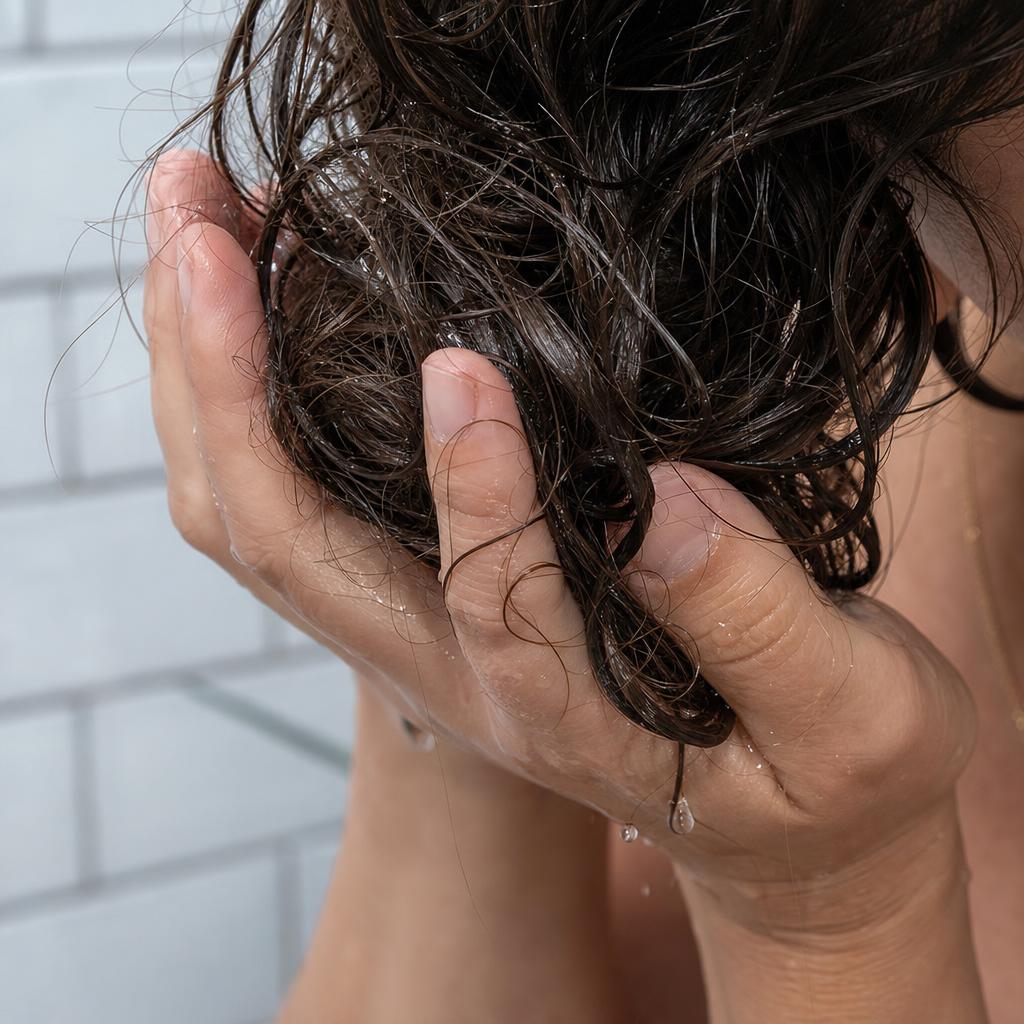
This simple trick creates volume from the very start of your routine. After applying conditioner to your lengths, flip your head upside down to rinse it out. This prevents the conditioner from sliding up toward your roots and encourages your hair to fall away from your scalp rather than lying flat against it. The technique also helps your natural wave pattern start forming immediately, giving you better definition before you even begin styling.
Styling Your 2A Waves Step-by-Step
Applying Products on Soaking Wet Hair
For 2A hair, wetter is genuinely better when it comes to product application. Apply your styling products while your hair is still dripping wet, immediately after stepping out of the shower. This dilutes the product naturally, ensuring it distributes evenly without creating heavy spots that drag down your waves. The water also helps products penetrate better and encourages wave formation as it dries.
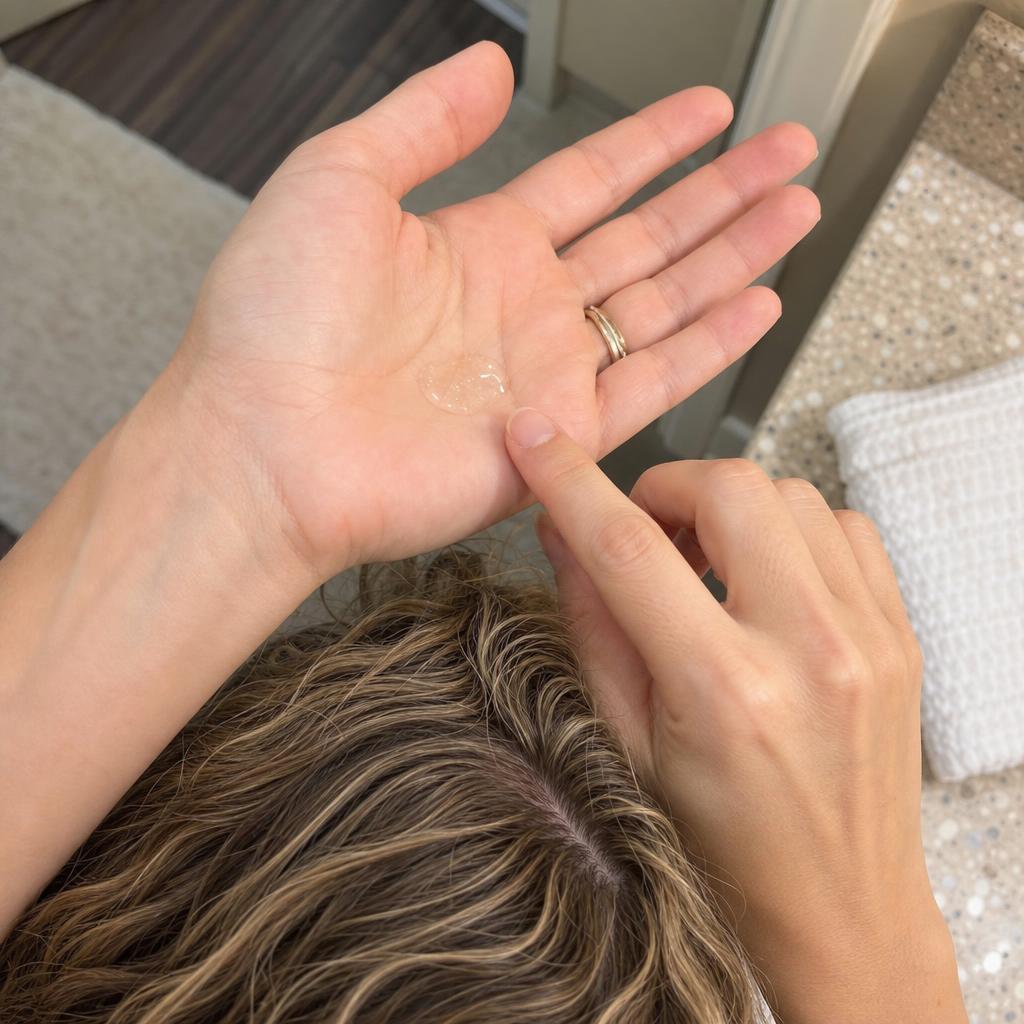
Use prayer hands or raking motions to work product through, making sure every strand gets coated. For 2A hair, you’re using much less product than someone with tighter curls would need, typically a dime to quarter-sized amount for your whole head depending on length and density.
Scrunching Techniques That Actually Work
Scrunching is essential for encouraging your 2A wave pattern, but technique matters. Cup sections of hair in your palm and gently squeeze upward toward your scalp, holding for a second before releasing. Don’t scrunch aggressively or repeatedly hit the same section, which creates frizz and disrupts the wave pattern rather than enhancing it.
Some people find that scrunching with a microfiber towel or cotton t-shirt first removes excess water while encouraging waves, then following up with gentle hand scrunching to set the pattern works best. Experiment to find what gives you definition without frizz.
To Diffuse or Air Dry: What’s Best for 2A
Air drying often works well for 2A hair since the fine texture dries relatively quickly and the loose waves don’t need as much heat assistance to form. However, air drying can lead to more frizz and less volume at the roots. If you choose to air dry, consider using clips at the crown to lift your roots while drying, removing them once your hair is about 70% dry.
Diffusing with low heat and low airflow can give you more volume and faster drying time without causing frizz. Hover the diffuser near your hair rather than touching it directly, and use the cool shot button periodically to set your waves. Many people with 2A hair find that diffusing just the roots and air-drying the lengths gives the best combination of volume and defined waves.
Avoiding Crunchy, Stiff Waves
If your styling products create a crunchy cast (which many gels do intentionally), you need to scrunch it out once your hair is completely dry. Wait until there’s no dampness left anywhere, then gently scrunch with your hands or a bit of oil on your palms to break the cast. This releases soft, touchable waves without the stiffness. If you’re consistently ending up with crunchy waves that won’t soften, you’re likely using too much product or one that’s too strong for your fine texture.
Best Products for 2A Hair Care
Lightweight Leave-In Conditioners
Most people with 2A hair can skip leave-in conditioner entirely, but if your ends are particularly dry or damaged, look for lightweight leave-in conditioners in spray form rather than creams. Apply sparingly to the bottom few inches only, never near your roots. Some 2A folks find that a leave-in actually weighs down their waves more than it helps, so this is definitely an optional step worth testing rather than assuming you need it.
Gels and Mousses That Won’t Weigh You Down
These are your primary styling products for 2A waves. Lightweight mousses work beautifully for fine 2A hair, providing hold and volume without weight. Look for alcohol-free formulas or ones where alcohol appears far down the ingredient list. Apply to soaking wet hair and distribute thoroughly before scrunching.
Gels can work for 2A hair if you choose the right type and use a very light hand. Hard-hold gels are usually too much, but soft-hold or volumizing gels can provide definition without stiffness. Many 2A routines succeed with just mousse alone, adding gel only when you need extra hold for a particular style or weather conditions.
When to Use (and Skip) Hair Oils
Hair oils are tricky for 2A hair. While they can help with shine and frizz control, they’re incredibly easy to overdo on fine waves. If you want to use oil, apply just one or two drops (literally that little) to your palms, rub them together thoroughly, then lightly smooth over the surface of dry, styled hair. Never apply oil to wet hair or at the roots unless you want to look like you haven’t washed in a week.
Most people with 2A hair find they get better results skipping oils entirely and focusing on lighter alternatives like small amounts of gel or cream on dry hair to tame frizz.
Protein vs. Moisture Balance for Fine Waves
Fine 2A hair often needs more protein than moisture compared to thicker, curlier textures. Signs you need protein include hair that feels limp, stretches excessively when wet, or has lost its wave pattern. Look for products with hydrolyzed proteins, keratin, or amino acids. However, too much protein makes hair feel stiff and straw-like, so pay attention to how your hair responds and adjust accordingly.
Most 2A routines do well with a light protein treatment every few weeks and moisture-focused products used sparingly the rest of the time. The key is finding your personal balance through experimentation.
Maintaining Definition Between Wash Days
Refresh Sprays and Techniques
Second-day hair on 2A waves often loses definition and volume. A simple water spray bottle can revive waves if you mist lightly and scrunch. Some people prefer commercial refresh sprays that contain a bit of hold or curl-enhancing ingredients. Apply to individual sections that need help rather than soaking your whole head, which can lead to limpness.
For areas that have gone completely straight, try dampening just that section, applying a tiny amount of gel or mousse, and re-scrunching. You won’t get wash-day results, but you can extend your style another day or two this way.
Sleeping on 2A Hair Without Flattening
Protecting your waves overnight is crucial for maintaining definition. Many people with 2A hair find that a loose pineapple (high ponytail on top of your head) or a few loose mini-buns secured with scrunchies work well. The goal is to keep hair off your face and prevent it from getting crushed against your pillow, but not to create tension that stretches out your waves.
Sleeping on a silk or satin pillowcase reduces friction and frizz even if you don’t specifically protect your hair. Some people with shorter 2A hair skip protective styles entirely and rely on the pillowcase alone with good results.
Dealing with Frizz and Humidity
Fine 2A waves are particularly susceptible to humidity because the hair shaft swells easily. Using products with humidity-resistant polymers helps, as does making sure your hair is well-moisturized before you encounter humid conditions (paradoxically, dry hair absorbs more atmospheric moisture). Anti-humidity serums work for some people, but again, use sparingly to avoid weighing down your waves.
Sometimes embracing a slightly frizzier, more textured look on humid days is more realistic than fighting your hair’s natural response to the weather.
When to Embrace a Straighter Look
Not every day needs to be a defined-wave day. Sometimes your 2A hair will want to be straighter, and that’s completely fine. You might check out styling options for 2A hair that work with various levels of wave definition. Learning to work with your hair’s varying moods rather than forcing it into one specific pattern reduces frustration and makes your routine more sustainable long-term.
Common 2A Hair Care Mistakes to Avoid
Over-Conditioning and Product Buildup
This is the number one mistake people make with 2A hair. Using too much conditioner, applying it too close to your roots, or layering multiple styling products creates buildup that kills volume and definition. If your hair feels coated, looks dull, or seems to get greasy faster than it used to, buildup is likely the culprit. Strip back to the bare minimum products and clarify thoroughly, then rebuild your routine one product at a time to identify what works.
Using Products Made for Tighter Curl Types
It’s tempting to follow routines designed for 2C wave patterns or even looser curls, but these almost always involve more product and richer formulations than 2A hair can handle. A routine that works beautifully for 3A curls will turn your 2A waves into an oily, limp mess. Stick to advice specifically for loose waves and fine hair, even if it seems less exciting than the dramatic before-and-afters from people with tighter curls.
Skipping Regular Clarifying
Because 2A hair is so easily weighed down, clarifying regularly is non-negotiable. Even if you’re using lightweight products, they still build up over time, especially when combined with hard water minerals and natural scalp oils. A weekly or bi-weekly clarifying wash keeps your hair responsive to styling products and maintains the volume that makes 2A waves look their best. Think of clarifying as resetting your canvas so your styling products can actually do their job.
Brushing Dry Waves
Running a brush through dry 2A waves destroys the wave pattern and creates a frizzy, undefined mess. Detangle only when your hair is wet and coated with conditioner, using your fingers or a wide-tooth comb. Once your hair is dry and styled, leave it alone as much as possible. If you need to restyle or fix sections, dampen them first rather than brushing dry hair. This single change makes a massive difference in maintaining definition throughout the day.
Conclusion
Caring for


