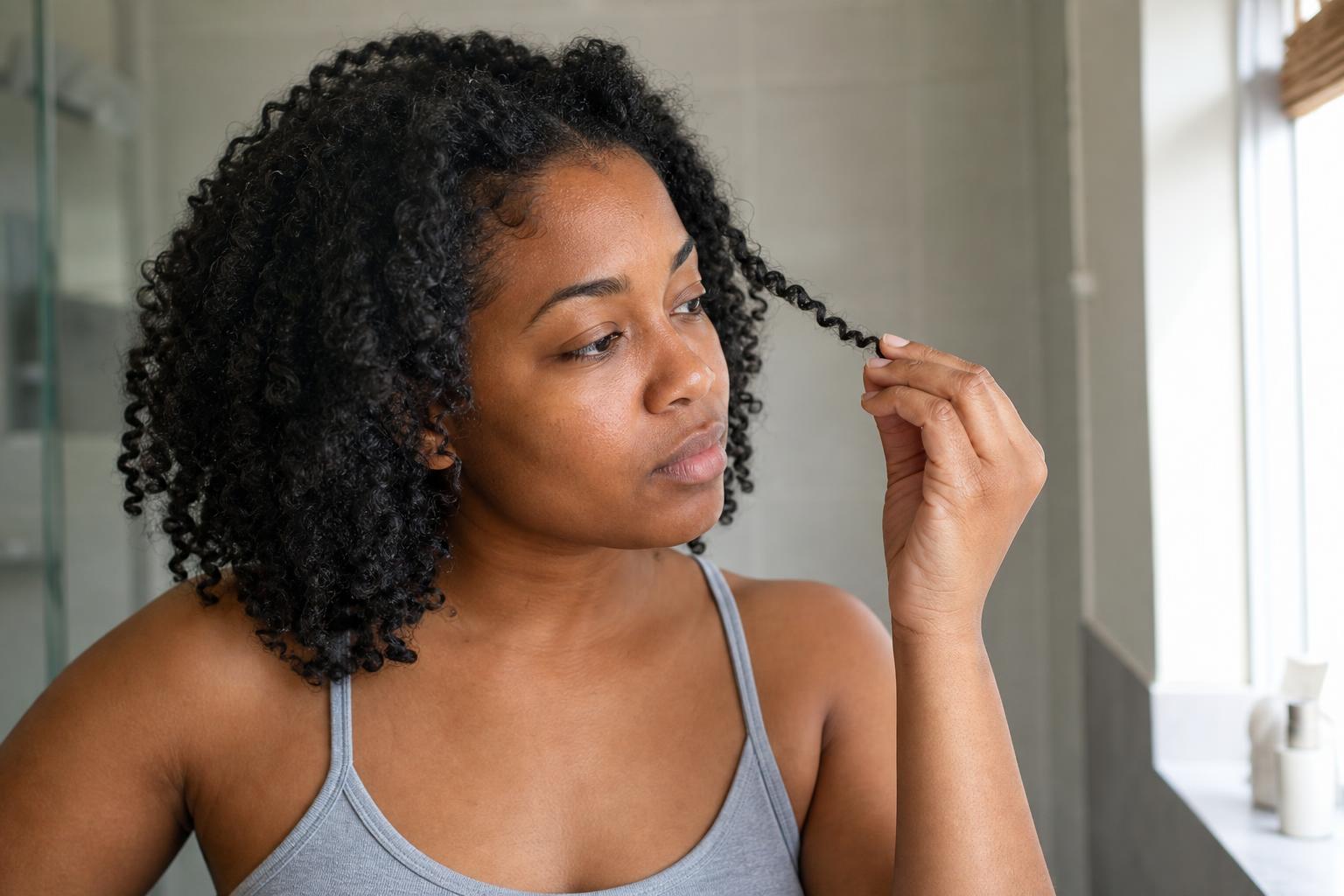
If your curls form loose, bouncy spirals about the width of a marker pen, you’re working with 3A hair texture—one of the most versatile curl patterns. These springy ringlets can easily shift from polished to playful, but finding styles that enhance your natural pattern without weighing it down takes some know-how. Whether you’re seeking a fresh cut or new ways to showcase your spirals, the right strategic layering and styling approach can transform your daily routine.
Understanding What Works for 3A Curls
The Unique Character of 3A Hair
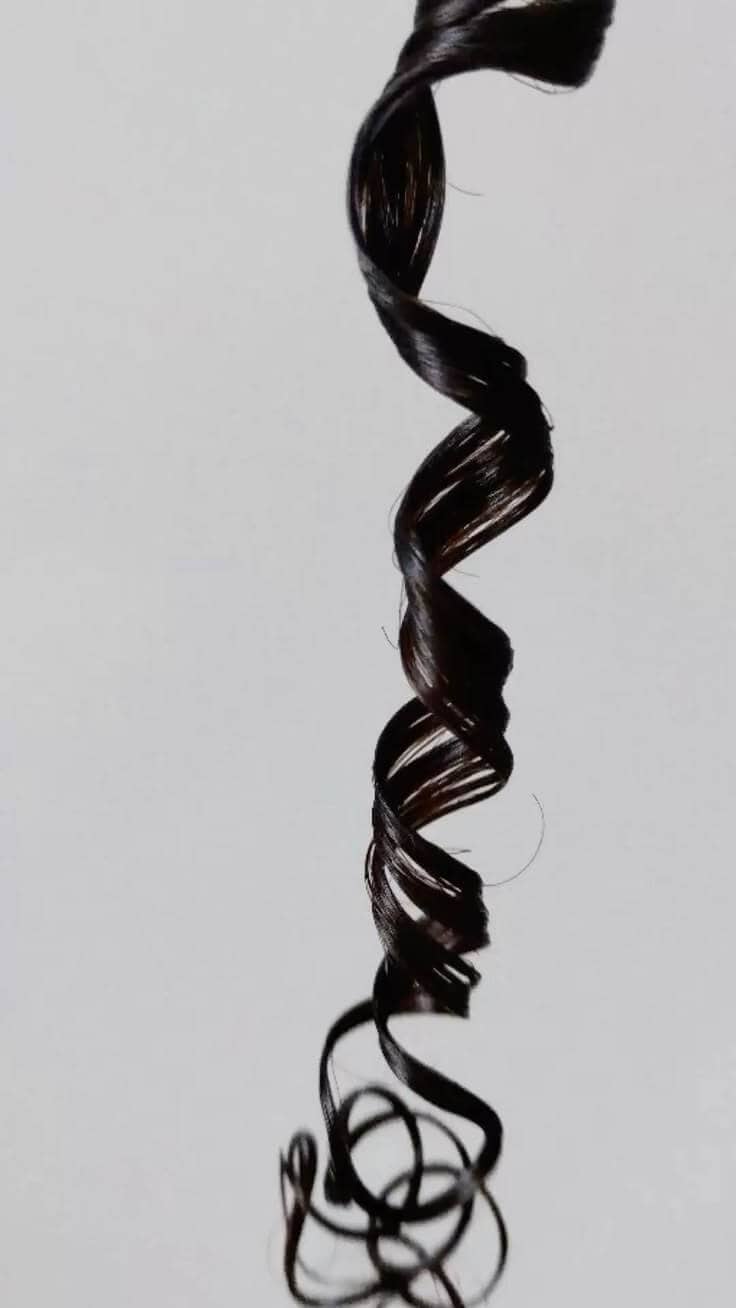
Type 3A curls sit right at the intersection of waves and tighter coils, creating distinct S-shaped spirals that start forming near the root. Unlike those with looser waves that may only curl at the ends, your entire shaft naturally wants to spiral. This structure gives you fantastic volume potential, but it also means your curl clumps are more delicate than they appear. The relatively loose spiral allows more shine than tighter curl patterns because natural oils can travel down the shaft more easily, yet humidity can still disrupt your cuticle layer and invite frizz.
According to the detailed breakdown of 3A curl characteristics, these curls typically have well-defined ringlets when properly hydrated. The key challenge lies in maintaining that definition without product buildup that flattens your roots or stiffens your spirals. Your hair responds beautifully to moisture but rebels against heavy creams and butters that work well for tighter textures.
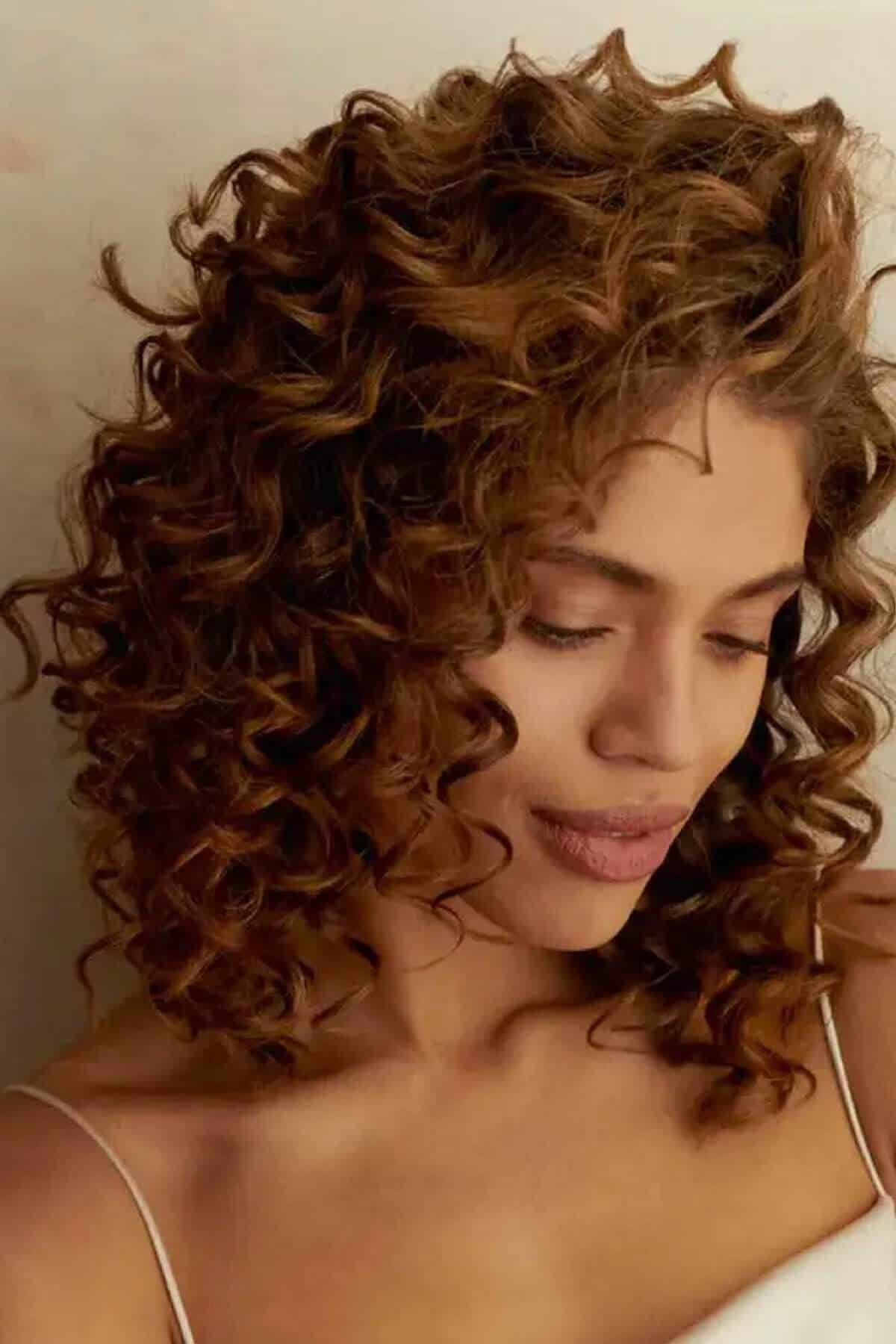
Why Certain Styles Flatter Loose Spirals
Not every trendy cut translates well to 3A texture. Blunt, one-length cuts can create a pyramid effect as your curls expand outward with no variation in weight distribution. Meanwhile, styles that work wonderfully on straighter hair may look unintentionally messy on loose spirals without the right foundation. The most flattering 3A hairstyles share common elements: they incorporate enough layers to prevent bottom-heaviness, they account for shrinkage (your hair may appear 25-40% shorter when dry), and they’re designed with your curl’s natural direction in mind.
Styles that add strategic height at the crown while maintaining some weight through the mid-lengths tend to balance your proportions beautifully. Face-framing pieces cut to different lengths create movement and prevent your curls from forming a uniform mass. The best cuts also consider how your individual spirals cluster together, working with your natural clumping pattern rather than fighting it.

Weight and Length Considerations
Length dramatically affects how your 3A curls behave. Shorter styles from chin to shoulder length often show maximum spring and definition because gravity hasn’t pulled the spirals downward. As you grow your hair longer, the weight of each strand begins to elongate your curl pattern, sometimes stretching your spirals into looser waves at the crown while maintaining tighter curls at the ends. This isn’t necessarily a problem, but it does require different styling strategies and potentially more support from lightweight mousse or gel.
Many people with 3A hair find a sweet spot between collarbone and mid-back length where their curls still spring beautifully but offer enough versatility for updos and protective styles. If you’re committed to maintaining length with curls, expect to invest more time in application techniques that encourage root lift and prevent your spirals from losing their shape under their own weight.
Classic Everyday 3A Hairstyles
The Layered Shoulder-Length Cut
This enduring favorite works so well for 3A texture because it balances practicality with style versatility. Layers starting around chin level and graduating through the length remove bulk without sacrificing fullness. When cut correctly, each layer supports the one beneath it, creating natural volume that doesn’t require extensive styling. The shoulder-length sweet spot gives your curls enough weight to prevent excessive frizz while keeping the overall shape manageable for daily wear.
Ask your stylist to dry-cut this style so they can see exactly how your curls fall naturally. Wet cutting often leads to unexpected shrinkage and uneven results. The layers should follow your curl pattern rather than create disconnected sections, blending seamlessly when you run your fingers through your hair.
Long Loose Spirals with Face-Framing Layers
If you love your length but want more dimension, face-framing layers provide the perfect compromise. Shorter pieces around your face (typically starting at cheekbone or chin level) draw attention to your features while the back remains longer. This creates beautiful movement when you turn your head and prevents that heavy, pulled-down feeling that comes with one-length long curly hair.
The key is keeping those front layers long enough that they still spiral rather than becoming too short and springing up awkwardly. Your stylist should account for shrinkage when determining where to place the first cut. These layers work especially well if you have a round or square face shape, as the diagonal lines create a softening, lengthening effect.
Mid-Length Shag for Volume and Movement
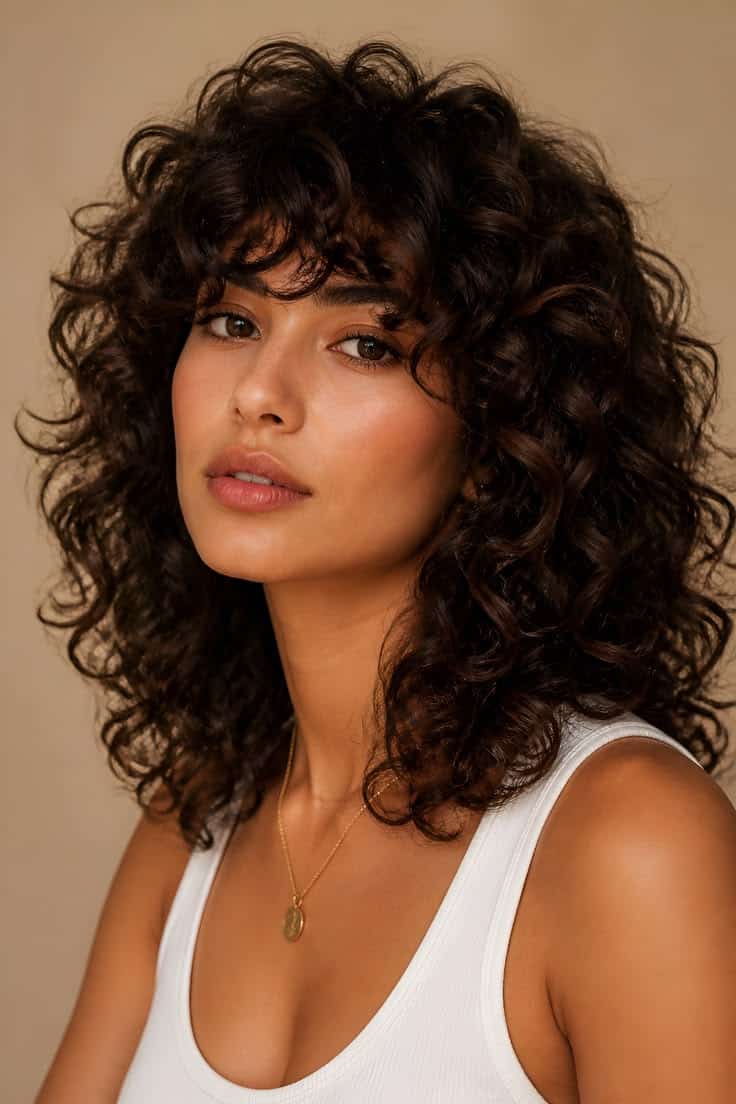
The modern shag has experienced a major comeback, and it’s particularly stunning on 3A curls. This heavily layered cut features shorter pieces throughout the crown and gradually longer lengths toward the perimeter, creating an intentionally pieced-out, effortlessly cool vibe. The multiple layers catch light differently and prevent your curls from clumping into uniform sections, giving you that coveted lived-in texture.
Shags require a skilled curl specialist who understands how to create controlled chaos without making your hair look truly chaotic. The layers should be thoughtfully placed to enhance your natural volume pattern. This cut typically looks best when diffused rather than air-dried, as the diffuser lifts the shorter crown layers and emphasizes the style’s inherent texture.
Wash-and-Go Styling for Daily Wear
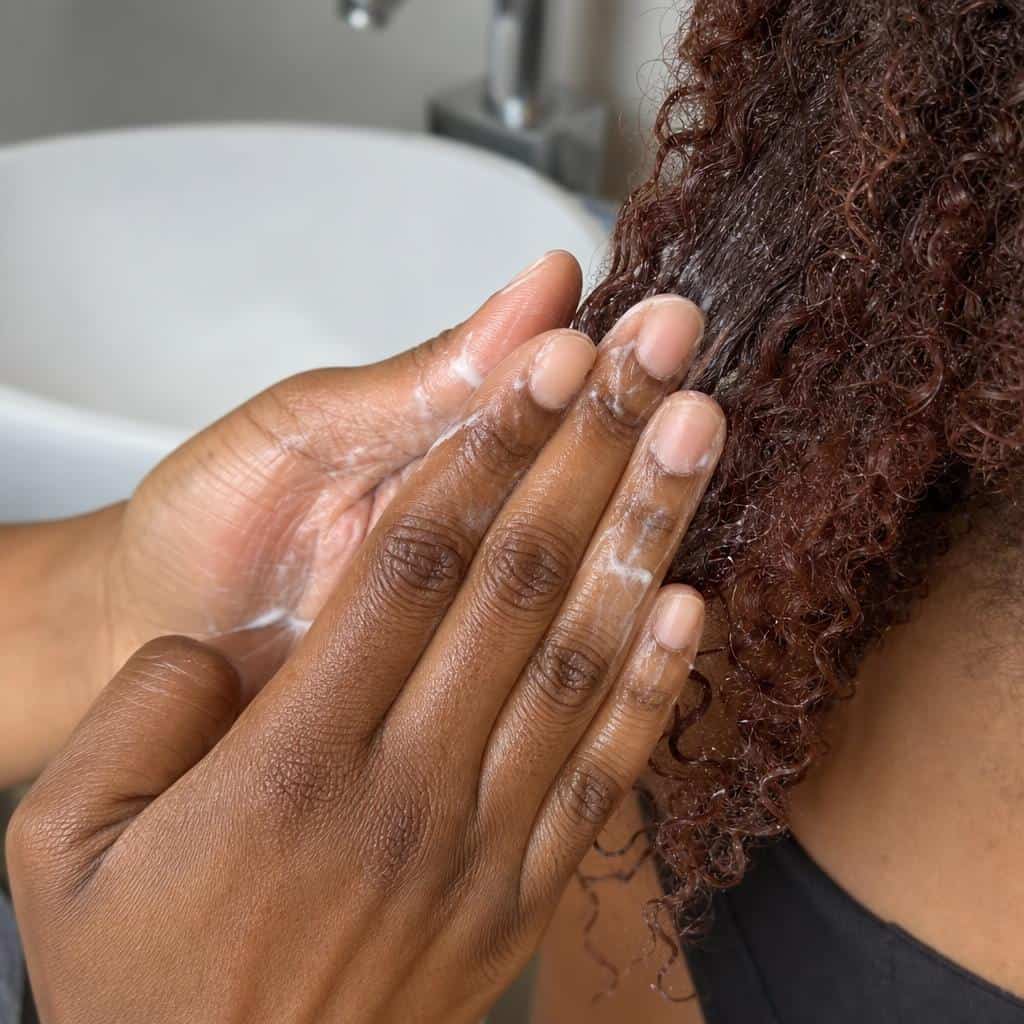
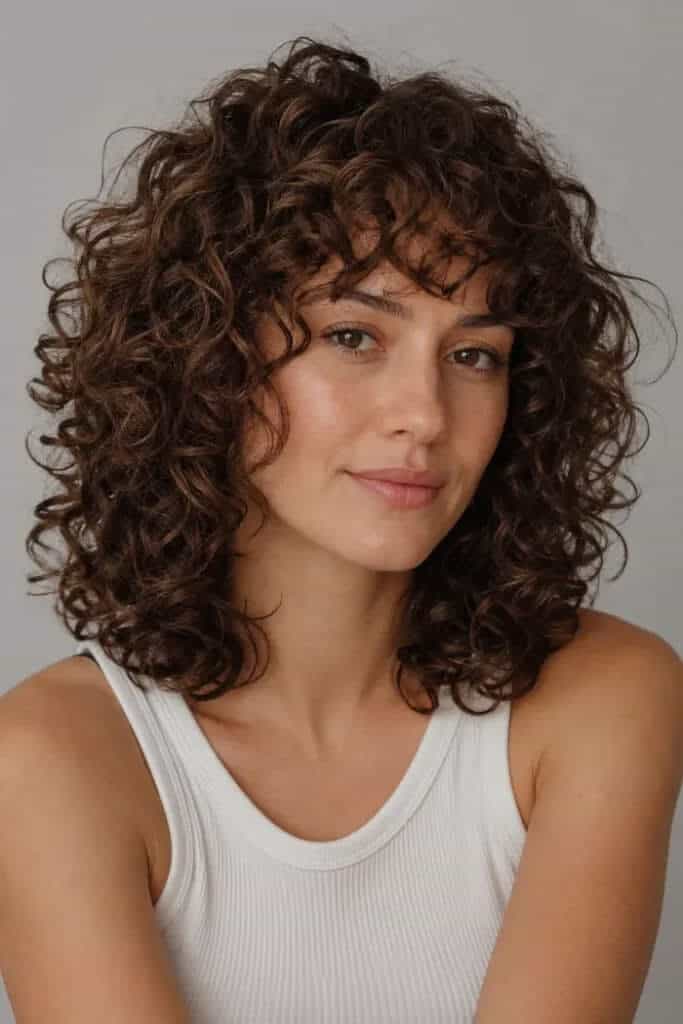
For many 3A curl patterns, a well-executed wash-and-go becomes your daily foundation. This isn’t about being lazy; it’s about mastering a reliable routine that brings out your best curl definition with minimal manipulation. Start with soaking-wet hair and apply your hydrating leave-in products using praying hands or raking methods to encourage clumping.
The right product combination matters enormously. A lightweight leave-in followed by a curl-enhancing cream or mousse, sealed with a medium-hold gel, creates the classic “gel cast” that protects your curls as they dry. Once fully dry, scrunch out the crunch for soft, defined spirals that last for days. Your wash-and-go will look different depending on your cut, but the technique remains foundational to most 3A styling.

Bold and Trendy 3A Styles
The Curly Bob: Mid-Length Definition
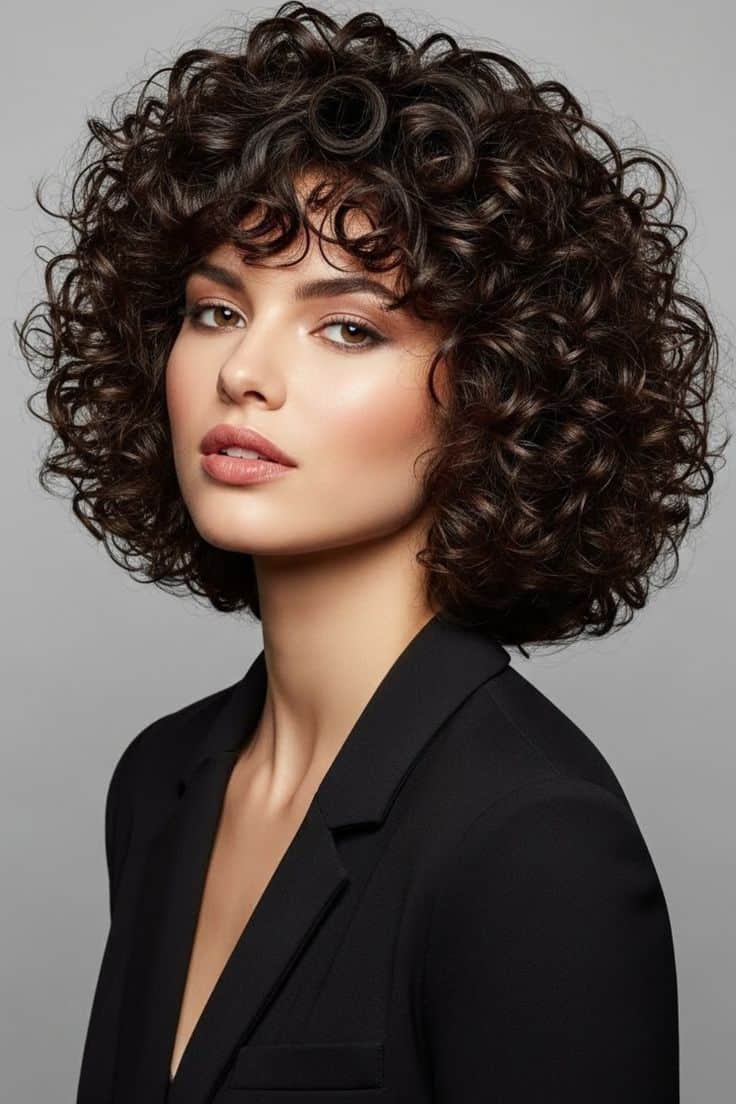
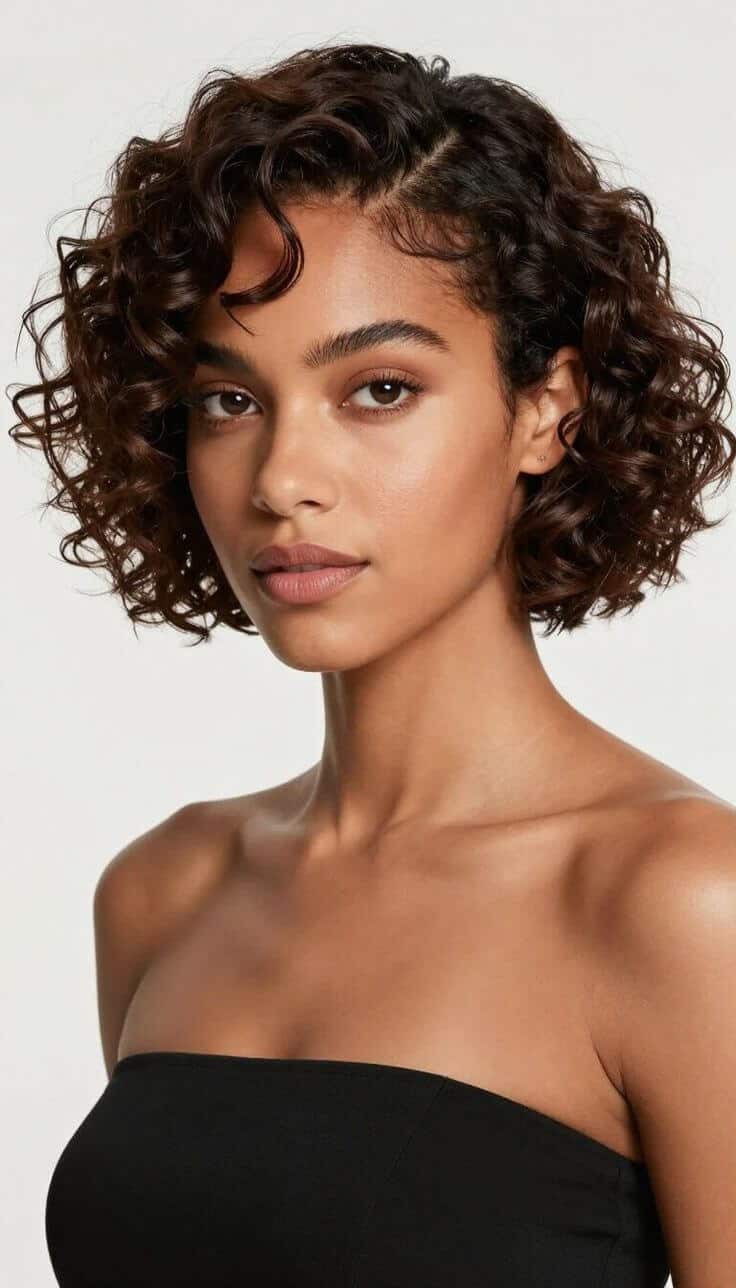
The curly bob has evolved far beyond the generic short cut. Modern versions range from chin-grazing to shoulder-length, often incorporating subtle stacking at the back for gorgeous shape from every angle. This length showcases 3A spirals at their springiest while remaining professional and polished. The reduced weight compared to longer styles means your curls bounce higher and hold their definition longer between wash days.
Bob-length curly styles work particularly well if you have medium to thick density, as they show off your hair’s natural fullness without becoming overwhelming. For finer 3A hair, a slightly longer bob (closer to shoulder length) prevents the style from looking too sparse. Styling is typically straightforward since the shorter length dries faster and requires less product to achieve full coverage.

Asymmetrical Cuts for 3A Texture
An asymmetrical cut features one side noticeably longer than the other, creating deliberate imbalance that looks edgy and intentional on curly hair. This works beautifully for 3A spirals because your natural texture softens what might otherwise look severe on straight hair. The contrast between sides adds visual interest and gives you styling flexibility (you can tuck the shorter side behind your ear for a completely different look).
The dramatic angle draws the eye and flatters most face shapes by creating diagonal lines. Maintenance is surprisingly manageable because your curls disguise regrowth better than they would in a symmetrical cut. Just be prepared for the frequent question, “Did you mean to cut it that way?”—and own your answer confidently.
Curtain Bangs with Loose Curls
Curtain bangs have dominated recent hair trends, and they translate wonderfully to 3A texture when cut correctly. These face-framing pieces part down the middle and sweep to each side, creating a vintage-inspired look that’s both romantic and modern. On curly hair, they should be cut longer than you initially think to account for shrinkage—what seems like a conservative length when wet may spring up significantly shorter when dry.
The beauty of curtain bangs on 3A hair is their forgiving nature. If they curl a bit differently from day to day, it adds to the effortless charm rather than looking sloppy. You can style them with slightly more product for defined spirals or let them air-dry for a softer, feathered effect. They work with virtually any length in the back, from bobs to long layers.

The Modern Curly Shag
While we touched on shags earlier, the ultra-modern version deserves its own mention. This iteration pushes the layering even further, often incorporating micro-layers throughout and sometimes adding textured bangs or heavy fringe. The result is maximum volume, tons of movement, and an intentionally undone aesthetic that photographs beautifully and suits creative, fashion-forward personalities.
This isn’t a low-maintenance cut despite its casual appearance. The numerous layers require careful product distribution to prevent frizz, and you’ll likely need to refresh your curls more frequently than with a simpler cut. However, if you’re someone who enjoys the styling process and wants a truly standout look, the modern curly shag delivers dramatic results that celebrate everything unique about 3A texture.
Protective and Low-Manipulation Styles for 3A Hair
Loose Braids and Twists
Protective styling isn’t just for tighter curl patterns. Loose braids and twists give your 3A spirals a break from daily styling while maintaining your curl pattern. Simple three-strand braids, Dutch braids, or two-strand twists keep your hair contained and protected from environmental damage and manipulation. The key difference from protective styles on coarser textures is that 3A hair typically needs less tension and benefits from styles that don’t pull too tightly at the roots.
When you unravel these styles, you’re left with beautiful crimped texture that adds even more volume to your natural pattern. This makes braids and twists dual-purpose: they protect your hair while also creating an entirely different textured look for when you take them down. Keep them in for anywhere from a few hours to several days, depending on your goals.

Pineapple Updo for Night and Day
The pineapple technique involves gathering your curls into a very loose, high ponytail on top of your head. This protects your curl pattern overnight by keeping the bulk of your hair off your pillow, reducing friction and frizz. For 3A hair, the pineapple also works as a quick daytime style that looks intentionally casual and keeps hair off your neck in warm weather.
Use a scrunchie or silk hair tie to avoid creating a dent in your curls. The ponytail should be loose enough that you’re not pulling your roots taut. In the morning, shake out your pineapple and your curls should fall back into place with minimal distortion. This simple technique can extend your wash-and-go by several days, making it one of the most practical tools in your styling arsenal.
Half-Up Styles That Preserve Curl Pattern
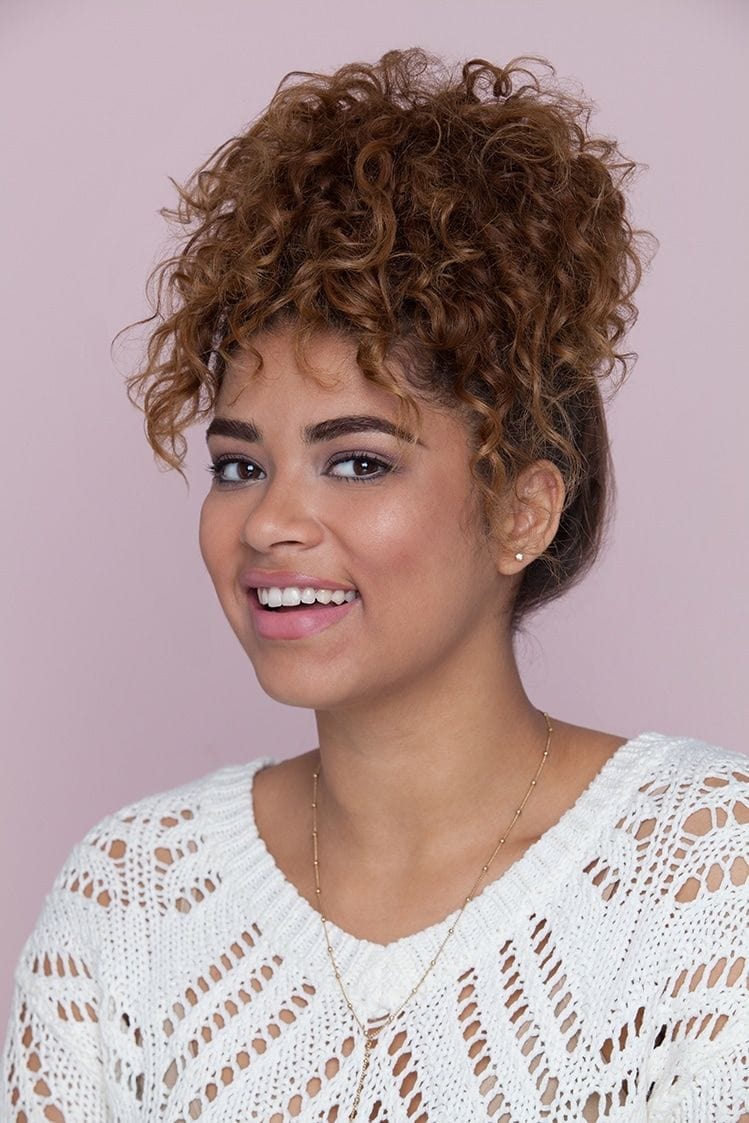
Half-up, half-down styles offer the best of both worlds: your face stays clear while you still showcase your curls’ length and shape. For 3A hair, these work particularly well because your spirals have enough definition to look polished even when casually pulled back. Simple variations include the classic half-ponytail, twisted crown sections pinned back, or small braids incorporated into swept-back top sections.
The trick is securing the top portion without disrupting your curl clumps too much. Work with your natural part and curl direction rather than fighting them. Avoid pulling too tightly, which can stretch out your spirals and create frizz. These styles work on second, third, or even fourth-day hair, making them excellent for midweek refreshes when you don’t have time for a full wash.
Bun Variations Without Tension
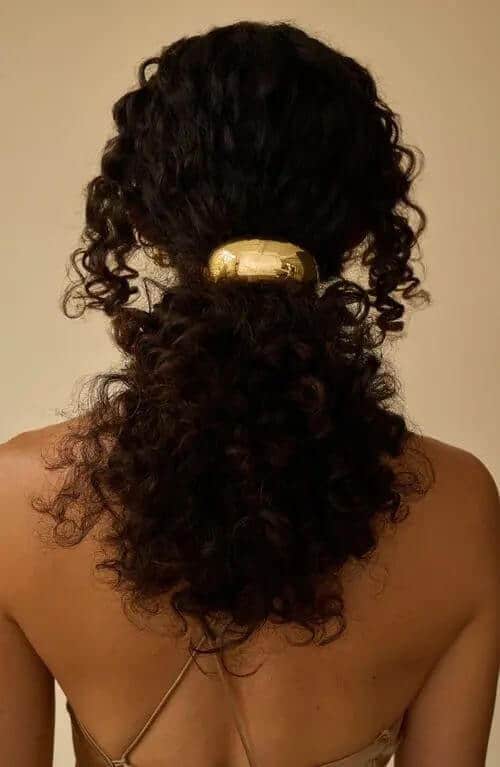
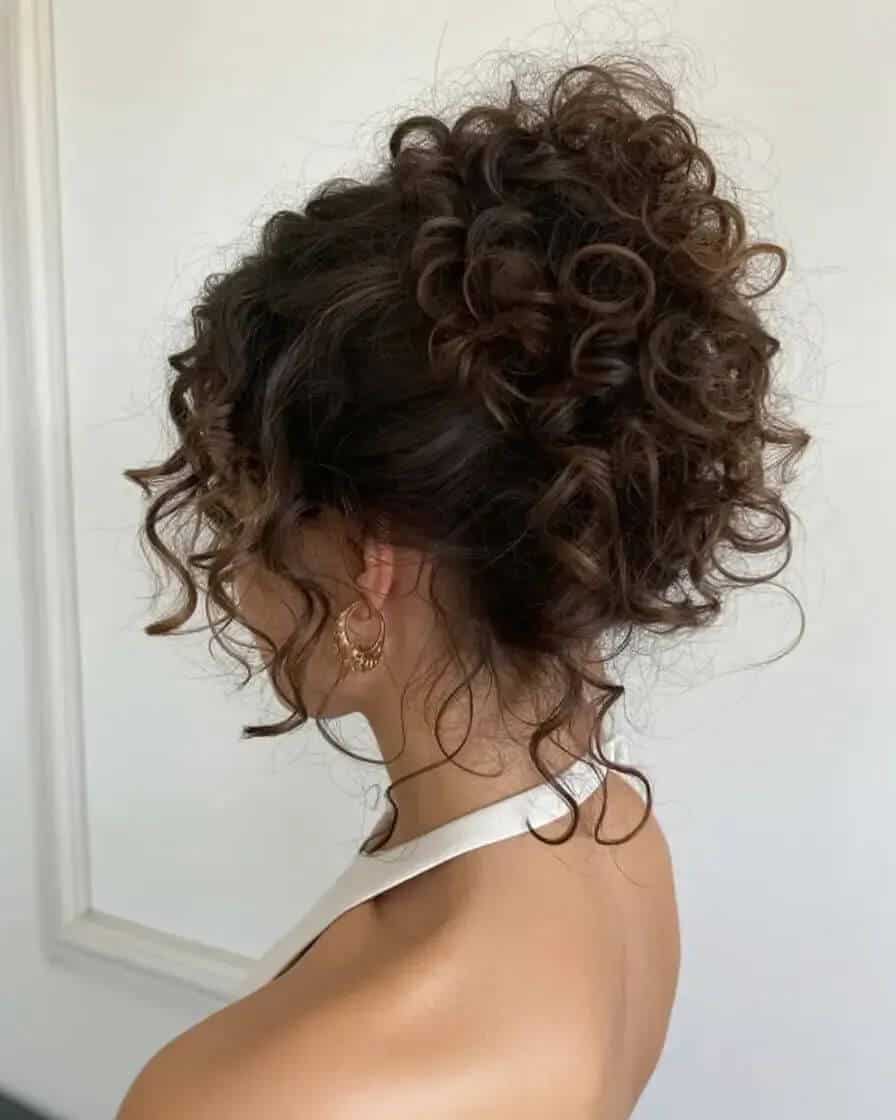
High buns, low buns, and messy topknots all have a place in the 3A styling rotation, provided you’re mindful about tension. Constant tight pulling can damage your hairline and lead to traction alopecia over time, so your buns should feel secure but never painful. The messy bun works especially well for curly hair because it’s supposed to look slightly undone, embracing your natural texture rather than fighting it.
When creating buns, gather your hair gently and twist loosely rather than pulling everything smooth. Allow some curls to escape around your face and nape for a softer effect. For sleeping, a very loose, high bun can protect your curls similarly to a pineapple while offering slightly more containment if you tend to move a lot at night.
Styling Techniques to Maximize 3A Definition
Product Application Methods for Loose Spirals
How you apply products matters just as much as which products you choose. For 3A curls, the most effective methods are praying hands (smoothing product between your palms and running them down sections of hair), raking (running fingers through hair to distribute product and encourage clumping), and scrunching (squeezing curls upward to encourage spring). Many people combine these techniques, starting with praying hands for even distribution, then raking to form clumps, and finishing with scrunching for extra definition.
A Denman brush can also work beautifully for 3A texture, using small sections and brushing through to create uniform, well-defined curl clumps. This technique, sometimes called “brush styling,” gives you more control over individual curl formation but takes more time than hands-only methods. Experiment to find what your particular hair responds to best, keeping in mind that the right technique brings out definition without creating frizz or disrupting your natural pattern.

Diffusing vs. Air Drying
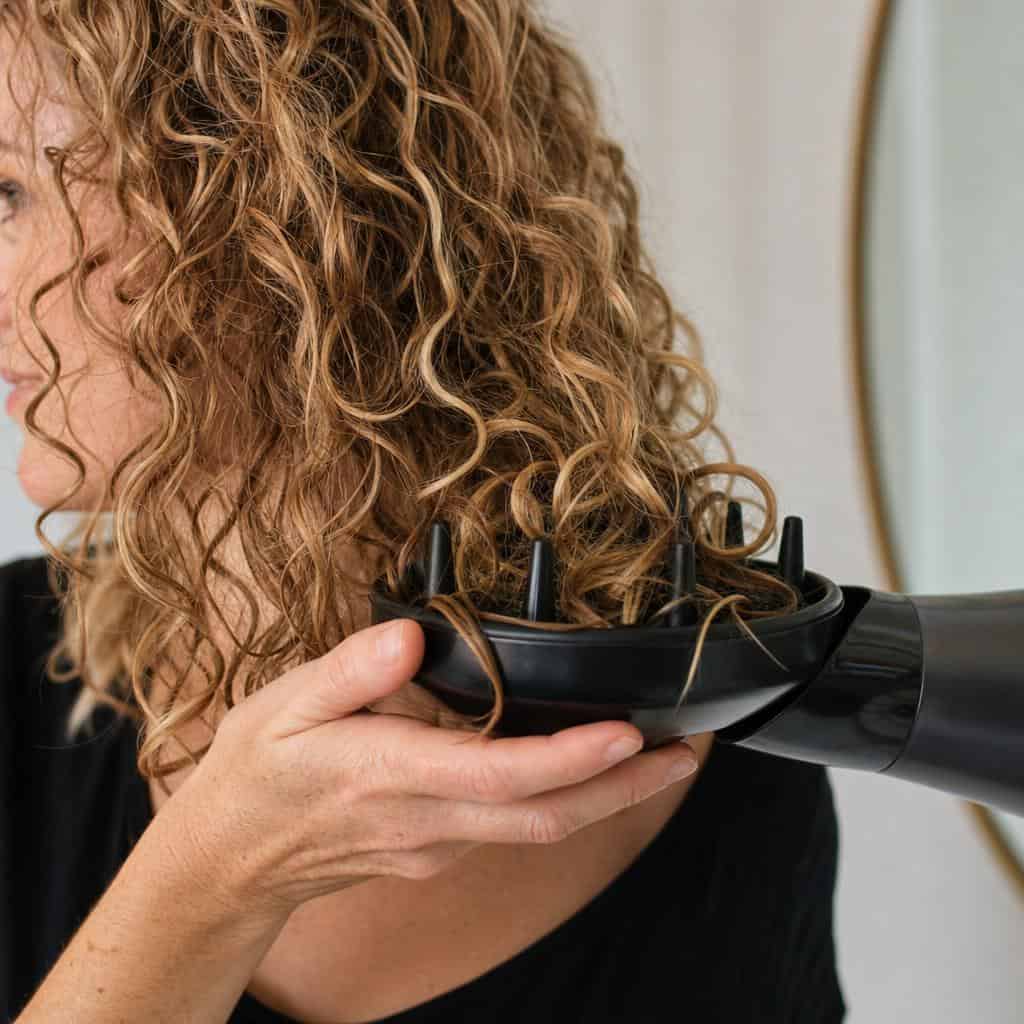
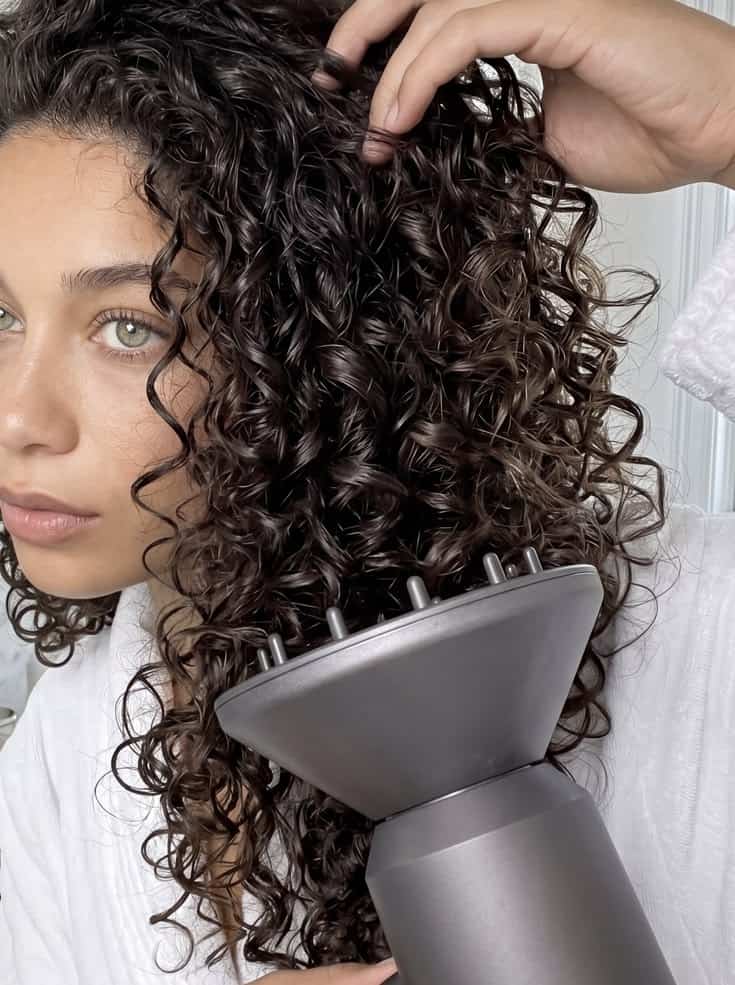
Air drying is gentler and reduces heat exposure, but it takes significantly longer and may result in less volume at the roots for 3A hair. Diffusing with low heat and airflow speeds up drying time while lifting roots and setting your curl pattern more firmly. The diffuser’s bowl-shaped attachment cradles your curls as they dry, preventing the stretching and drooping that sometimes happens with air drying, especially on longer hair.
If you choose to diffuse, start with the heat and speed settings on low to medium. Cup sections of curls in the diffuser bowl and hold for 30-60 seconds before moving to the next section. Avoid moving the diffuser around too much, which creates frizz. Many 3A individuals find a hybrid approach works best: air dry until about 50-70% dry, then finish with the diffuser to set the style and add volume.
Maintaining Multi-Day Curls
One of the best things about mastering your 3A routine is making your wash-and-go last well beyond day one. Proper nighttime protection is essential. Beyond pineappling or loose buns, consider sleeping on a silk or satin pillowcase to reduce friction. Some people prefer a silk bonnet or buff that contains their curls completely.
In the morning, don’t immediately touch or manipulate your curls. Let them settle naturally for a few minutes after releasing them from your protective style. If they need help, hover your hands around your head and gently shake at the roots without actually touching the hair shafts. This wakes up your curls without disturbing their structure. Reserve actual touching and scrunching for when you do a proper refresh with product.
Refresh Strategies Between Wash Days
Refreshing is an art that extends the life of your style significantly. The simplest method involves lightly misting your hair with water (or a water and leave-in mixture) and scrunching to reactivate the products already in your hair. For more definition, you can apply a small amount of curl cream or mousse to your palms, emulsify it with water, and scrunch into specific sections that need help.
Some 3A curl owners prefer foam-based refreshers that add volume without weight. Others swear by refresh sprays specifically formulated to revive day-old curls. The key is using much less product than on wash day since you’re building on what’s already there. Focus on areas that lose definition first (usually around the face and crown) rather than applying product all over. With practice, you can keep your curls looking fresh for 3-5 days or even longer.
Choosing the Right Cut for Your 3A Hair Goals
Working with Your Natural Volume
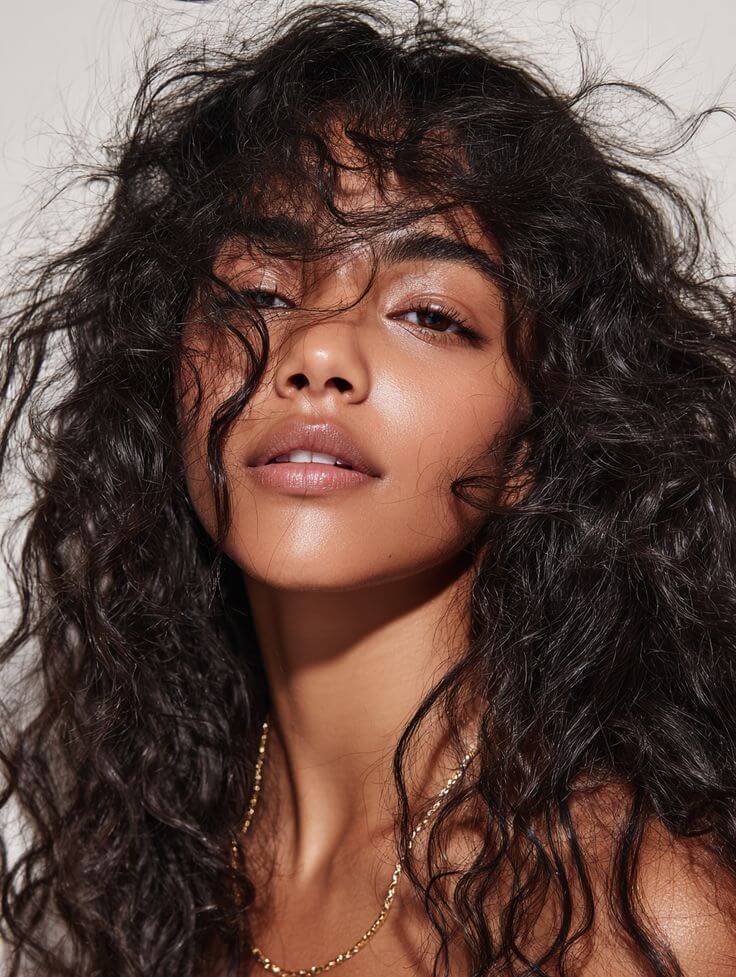
Your density (how many individual hairs you have per square inch) significantly influences which cuts will flatter your 3A texture. High-density hair benefits from substantial layering and thinning to prevent overwhelming volume and triangle shapes. Medium density typically looks best with moderate layering that adds movement without creating gaps. Low-density 3A hair needs careful, minimal layering to maintain the appearance of fullness since removing too much weight can make your hair look sparse.
Pay attention to where your hair naturally has the most volume. Many people with 3A curls experience their fullest point somewhere between the ears and the bottom of the occipital bone (the bump at the back of your skull). Strategic layers placed above and below this point help redistribute volume for a more balanced silhouette. Your stylist should work with, not against, your natural volume pattern.
Face Shape and 3A Hairstyle Pairing
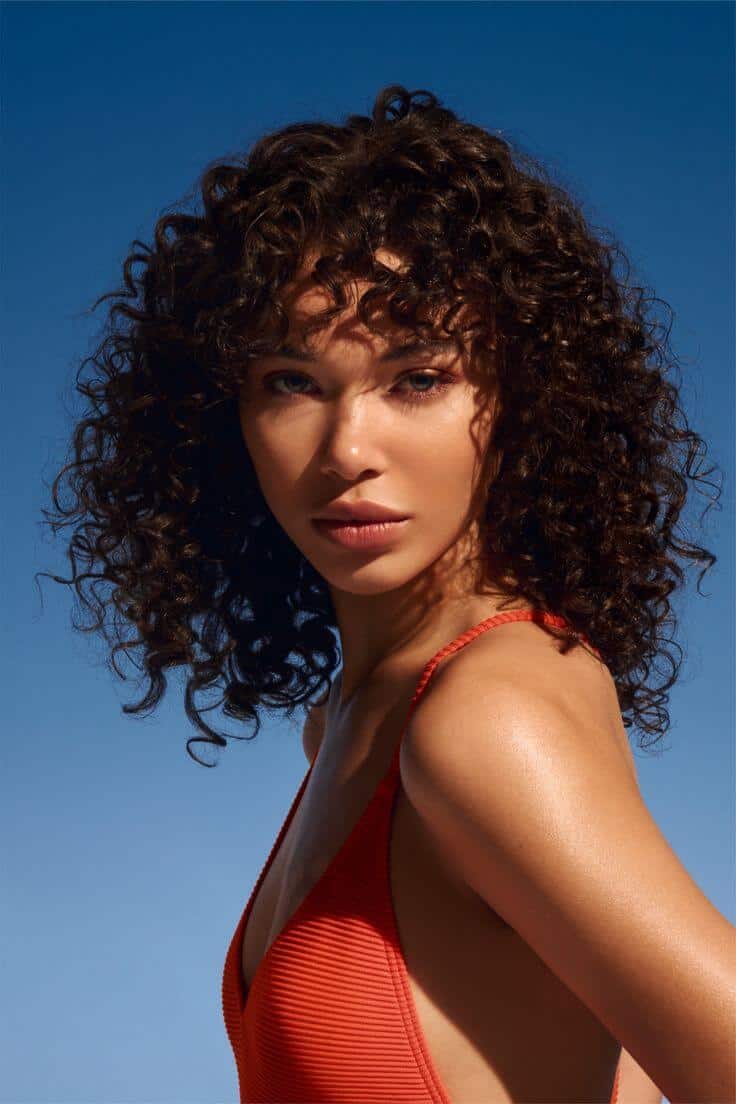
While you should ultimately choose styles you love regardless of supposed “rules,” certain approaches do tend to flatter specific face shapes. Oval faces can pull off virtually any length and style. Round faces often look great with longer lengths and styles that add height at the crown while keeping sides closer to the head. Square faces benefit from soft, face-framing layers that curve around the jawline. Heart-shaped faces look beautiful with chin-length or longer cuts that add width at the jawline to balance a narrower chin.
Long or oblong faces typically look most balanced with shoulder-length or shorter cuts that add width without excessive height. Remember that these are guidelines, not absolutes. Your personal style, lifestyle needs, and hair characteristics all matter more than following face-shape formulas. The confidence you bring to any hairstyle makes the biggest difference in how it looks.
What to Tell Your Stylist
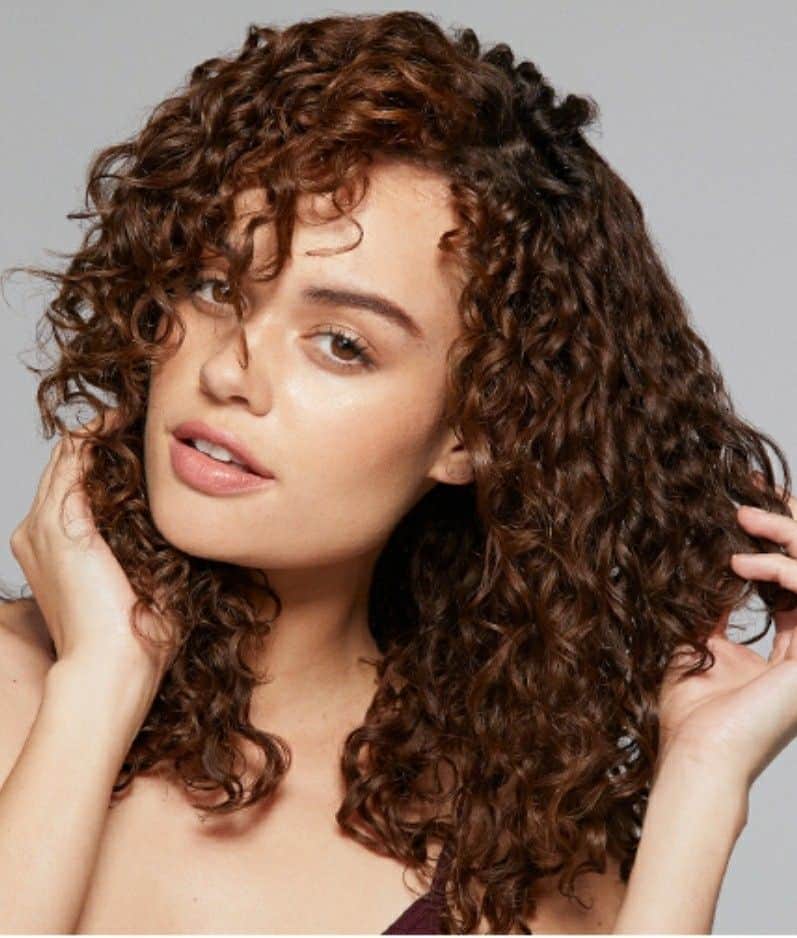
Finding a stylist experienced with curly hair, ideally one who specializes in dry cutting, makes an enormous difference in your results. When booking, specifically ask about their experience with 3A curl patterns. During your consultation, be clear about your maintenance commitment (are you willing to style daily or do you need something truly low-maintenance?), your lifestyle (athletic activities, climate considerations), and how you typically style your hair.
Bring photos, but manage expectations by acknowledging when your model has different density or length. Describe what you dislike about your current cut as much as what you hope to achieve. Mention specific problem areas like frizz zones, sections that won’t hold curl, or areas that get too voluminous. A good stylist will assess your curl pattern, face shape, and hair health before making recommendations. Don’t be afraid to speak up during the cut if something doesn’t feel right, checking in with this professional styling guide for 3A hair for technique validation.
Conclusion
Your 3A curls offer remarkable versatility, whether you prefer the effortless elegance of styling longer curls, the bold statement of a precisely layered bob, or the casual charm of a textured shag. The key to making any style work lies in understanding your specific curl needs: the right cut that accounts for shrinkage and natural volume patterns, techniques that enhance definition without weight, and a consistent routine that keeps your spirals hydrated and happy. What works beautifully for your friend’s 3A hair might need adjustments for yours, so embrace the experimentation process as part of your curl journey.
Start by choosing one new styling technique or hairstyle idea from this guide and commit to trying it for at least two weeks. Give your curls time to adjust to new methods, and pay attention to how they respond on different days and in various conditions. Whether you book that consultation for curtain bangs, master the art of diffusing for maximum volume, or simply refine your wash-and-go routine, every small step builds your confidence and expertise. Your loose, springy spirals are designed to turn heads, so choose styles that make you feel as gorgeous as your curls truly are.